In modern industrial manufacturing, achieving consistent dimensions, reliable performance, and cost-effective production depends heavily on advanced metal forming technologies. Qiren provides professional Stamping Parts Processing solutions designed to support precision manufacturing requirements across automotive, electronics, machinery, and other industrial applications. By integrating advanced stamping equipment, automated production systems, intelligent inspection, and digital manufacturing management, manufacturers can improve production consistency while meeting increasingly demanding component specifications.
Stamping Parts Processing is an essential metal manufacturing method used to produce components with accurate dimensions, repeatable geometries, and efficient production cycles. This article explains how metal stamping works, explores its major processes and advantages, compares different manufacturing methods, and discusses the factors buyers should consider when selecting a stamping parts manufacturer. It also examines how automation, precision tooling, and digital quality management contribute to reliable manufacturing results.
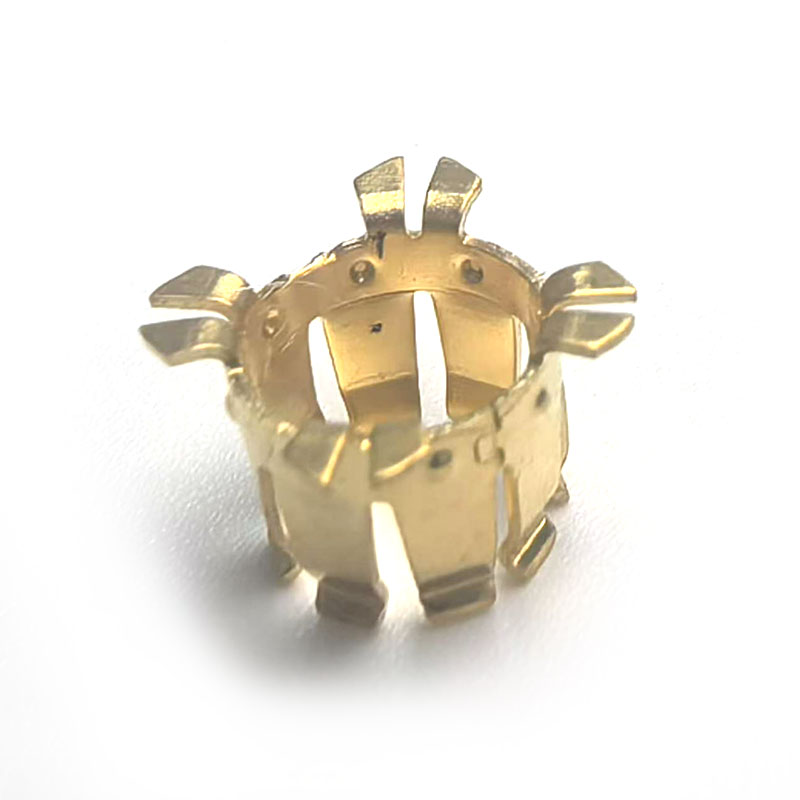
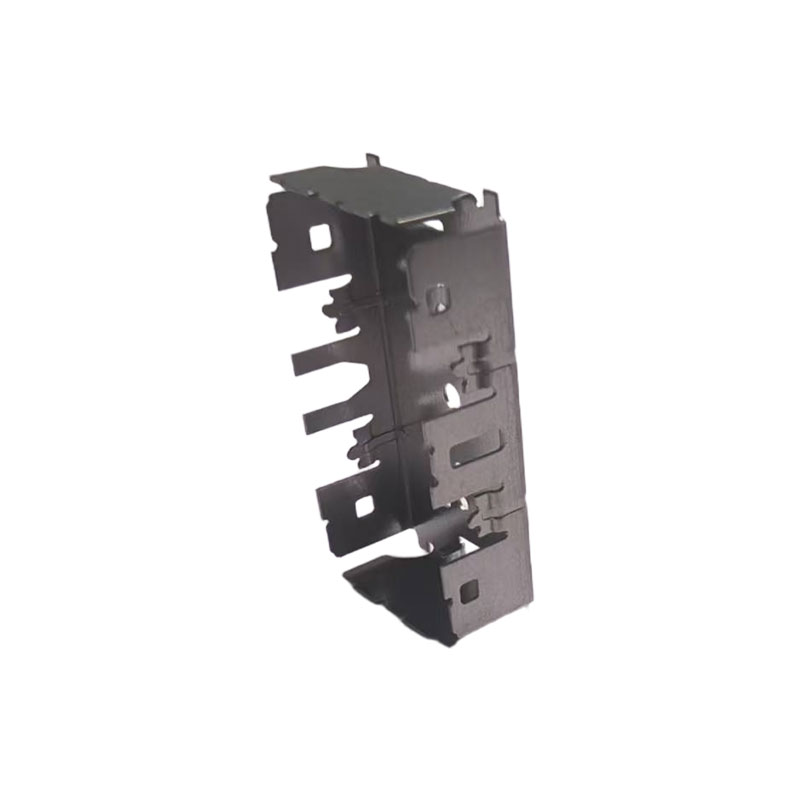
Stamping Parts Processing is a manufacturing technique that uses specialized dies and mechanical or hydraulic presses to transform sheet metal into components with specific shapes and dimensions. By applying controlled pressure, manufacturers can cut, bend, draw, or form metal materials into finished or semi-finished products.
Unlike conventional machining, which removes material to create a desired geometry, stamping primarily reshapes sheet metal. This makes it particularly suitable for producing large quantities of identical components with relatively short production cycles.
A typical stamping system consists of several essential elements:
For industrial buyers, choosing an appropriate stamping process is important because tooling design, material characteristics, and equipment capabilities directly influence component performance and production costs.
A successful stamping project requires coordinated engineering, tooling preparation, production control, and quality inspection. Each stage contributes to the accuracy and reliability of the final component.
The manufacturing process begins with reviewing customer drawings, CAD files, material specifications, dimensional tolerances, and application requirements. Engineers evaluate the component geometry and determine whether the design is suitable for stamping.
Important considerations include material thickness, bending radius, hole positions, forming depth, and potential deformation during production.
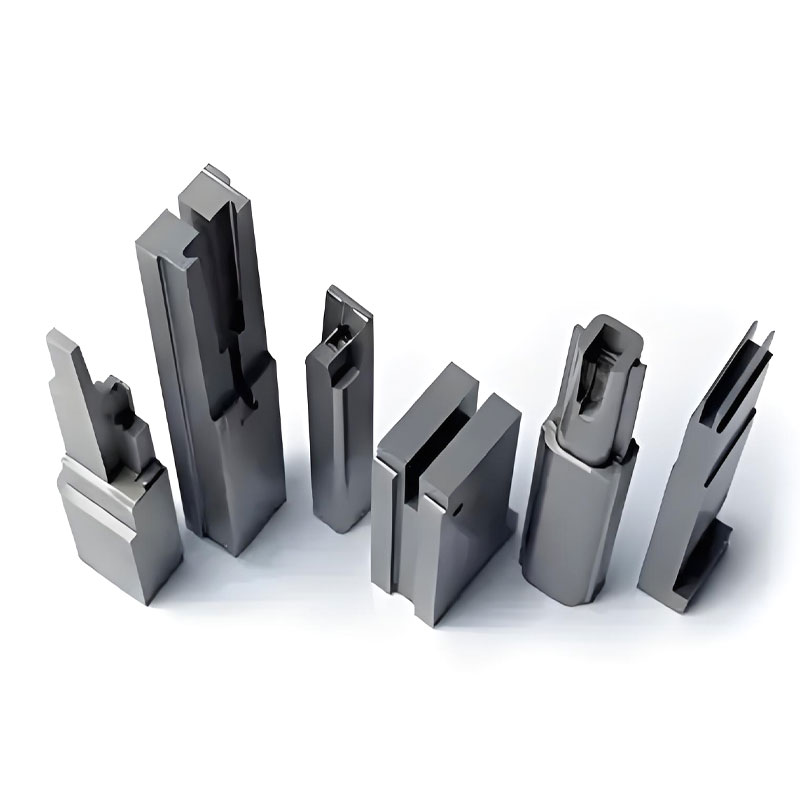
The stamping die is one of the most important factors affecting product quality. Its structure, working clearance, cutting edges, and forming surfaces must be carefully designed according to the component specifications.
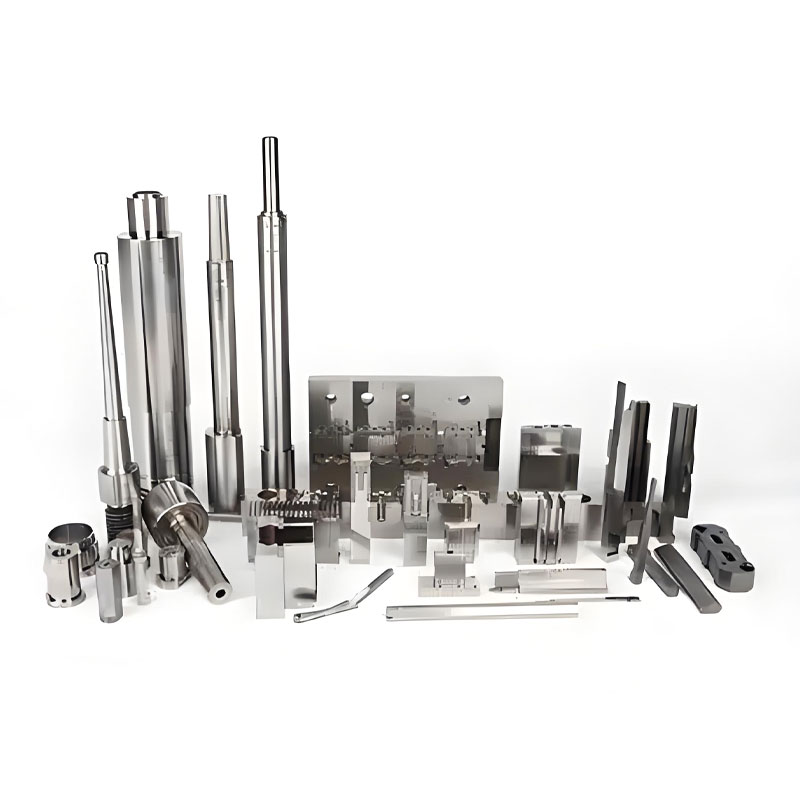
For complicated geometries, precision mold manufacturing and EDM technology can help produce detailed die structures that are difficult to achieve through conventional machining alone.
Metal sheets or coils are prepared according to the production requirements. Automated feeding systems can improve positioning consistency and reduce manual handling during repetitive operations.
The press applies controlled force to the material through the stamping die. Depending on the product design, multiple operations may be completed in a single stroke or through progressive production stages.
Finished components undergo dimensional and visual inspections. Additional processes, such as deburring, cleaning, surface treatment, or assembly, may be required depending on the final application.
Different stamping methods serve different manufacturing purposes. Understanding their characteristics helps buyers select the most appropriate process for their products.
| Stamping Process | Main Function | Typical Applications |
|---|---|---|
| Blanking | Cutting flat metal shapes from sheet material | Brackets, plates, washers |
| Piercing | Creating holes or openings in metal sheets | Electronic terminals, mounting plates |
| Bending | Changing the angle or shape of sheet metal | Metal brackets, structural supports |
| Deep Drawing | Forming flat sheets into hollow structures | Housings, containers, metal shells |
| Progressive Die Stamping | Performing multiple operations through sequential stations | High-volume precision components |
| Compound Stamping | Combining multiple cutting operations in one press stroke | Washers, flat precision parts |
For example, progressive stamping is particularly useful for high-volume production because several operations can be completed within one integrated tooling system. Deep drawing, by comparison, is more suitable for products requiring hollow or cup-shaped geometries.
Manufacturers should evaluate component geometry, production volume, material properties, and tooling investment before selecting a stamping method.
Precision stamping offers several advantages for companies seeking dependable metal components and scalable production capabilities.
Once stamping dies and production parameters have been established, automated presses can manufacture large quantities of components at consistent production speeds. This makes stamping attractive for automotive, electrical, and consumer electronics manufacturers.
Properly designed dies and controlled equipment parameters help maintain dimensional consistency between production batches. This is especially important for components that must fit accurately into larger mechanical or electronic assemblies.
Optimized nesting and strip layouts can reduce material waste. Engineers can evaluate the arrangement of multiple parts on a metal strip to improve material utilization without compromising component quality.
Stamping supports various geometries, including holes, slots, bends, embossed details, and formed structures. Combining different stamping operations can also reduce the number of separate manufacturing steps.
Although precision tooling requires an initial investment, the cost per component can become more competitive as production quantities increase. This makes stamping an effective solution for long-term manufacturing programs.
Material selection affects forming behavior, springback, strength, corrosion resistance, and the service life of finished components. The correct material should be selected according to the operating environment and product requirements.
| Material | Key Characteristics | Common Applications |
|---|---|---|
| Carbon Steel | Good strength and cost efficiency | Brackets, structural parts |
| Stainless Steel | Corrosion resistance and durability | Electronic and industrial components |
| Aluminum | Lightweight and good formability | Automotive and electronic housings |
| Copper | High electrical and thermal conductivity | Electrical contacts and terminals |
| Brass | Good machinability and electrical conductivity | Connectors and precision fittings |
Before production, buyers should confirm material grade, thickness tolerance, hardness, surface condition, and applicable industry standards. Material certificates and incoming inspection records can also improve supply chain traceability.
Because of its manufacturing efficiency and design flexibility, Stamping Parts Processing is widely used across multiple industrial sectors.
Automotive manufacturers use stamped metal components in body structures, mounting brackets, seat mechanisms, electrical connectors, and protective housings. Precision is particularly important for components that must maintain reliable assembly relationships under vibration and mechanical loading.
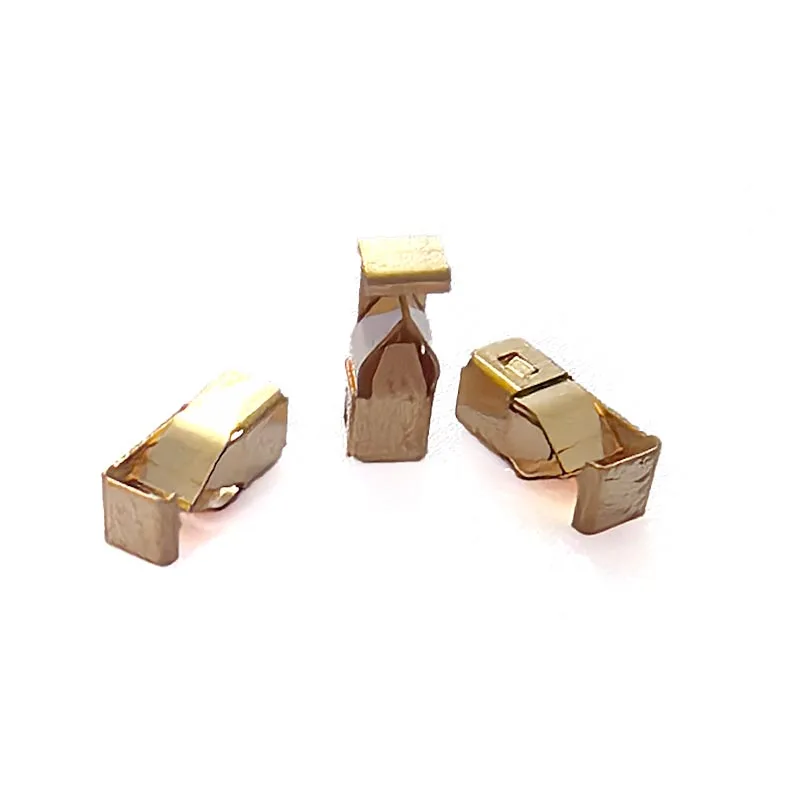
Electronic devices often contain small metal terminals, conductive contacts, shielding components, and structural supports. These parts may require controlled dimensions and suitable surface finishes to ensure stable electrical and mechanical performance.
Industrial equipment manufacturers rely on stamped brackets, covers, mounting plates, and structural components to simplify assembly and maintain consistent mechanical interfaces.
Stamped metal parts are frequently found in washing machines, refrigerators, kitchen equipment, power tools, and various household appliances. Efficient mass production helps manufacturers maintain competitive product costs.
Communication devices and precision instruments may require compact metal components with carefully controlled shapes, openings, and assembly dimensions. Appropriate tooling and inspection methods are essential for these applications.
Product quality is not determined by the stamping press alone. It depends on the entire manufacturing system, including engineering, tooling, materials, equipment maintenance, and inspection procedures.
Reliable quality management should address the following areas:
Depending on the product's intended application, additional tests may include hardness testing, corrosion testing, mechanical performance evaluation, and coating thickness measurement.
A structured quality assurance process helps identify potential problems before they affect downstream assembly or final product performance.
Industrial automation is transforming conventional stamping operations into more integrated and data-driven manufacturing systems. Automated feeding, robotic handling, intelligent inspection, and digital production management can improve consistency while reducing unnecessary manual intervention.
According to its product information, Qiren Electronics Co., Ltd. integrates high-speed precision stamping equipment, automated loading and unloading systems, and intelligent inspection technologies into its manufacturing operations.
Manufacturing Execution Systems (MES) and Enterprise Resource Planning (ERP) systems support coordinated management of production orders, scheduling, equipment monitoring, and quality records.
When properly integrated, these systems provide better visibility into production progress and help manufacturers respond more effectively to changing order requirements.
Robotic handling systems can transfer materials and finished parts between production stations. This reduces repetitive manual operations and supports more stable production workflows.
Machine vision systems can identify selected surface defects, missing features, dimensional irregularities, and other detectable production issues. Inspection accuracy depends on camera resolution, lighting conditions, software configuration, and validation procedures.
Electrical Discharge Machining (EDM) is particularly useful for manufacturing complex die cavities, fine features, and precision tooling structures. Because EDM removes conductive material through controlled electrical discharges, it can process certain hard materials and intricate geometries that are difficult to machine using conventional cutting methods.
For more information about the company's manufacturing capabilities, explore Qiren Stamping Parts Processing solutions.
Selecting the right manufacturing partner is a critical decision for OEMs, engineering companies, and industrial purchasing teams. A supplier should demonstrate not only competitive pricing but also the technical ability to deliver consistent products throughout the production lifecycle.
Consider the following evaluation criteria before placing an order:
To improve project evaluation, buyers should prepare the following information:
Providing complete technical information helps manufacturers evaluate tooling requirements, production feasibility, and project costs more accurately.
Qiren offers manufacturing solutions covering metal stamping, precision mold manufacturing, and precision parts processing. Its integrated manufacturing approach is relevant to buyers seeking coordinated tooling and component production support.
Stamping forms or cuts sheet metal using specialized dies and presses, while conventional machining removes material through cutting, drilling, milling, or turning. Stamping is generally suitable for repetitive sheet metal components and higher production volumes, whereas machining offers greater flexibility for certain complex geometries and low-volume requirements.
Common materials include carbon steel, stainless steel, aluminum, copper, and brass. The appropriate material depends on required strength, electrical conductivity, corrosion resistance, formability, thickness, and operating conditions.
Yes. Precision stamping can produce small components with detailed features when the tooling, material, press configuration, and inspection methods are properly selected. However, achievable tolerances depend on component geometry, material characteristics, tooling condition, and production parameters.
Major cost factors include raw material prices, material utilization, component complexity, tooling design, die manufacturing, production volume, secondary operations, and inspection requirements. Tooling costs are generally more significant during initial production, while higher order quantities can help reduce the unit manufacturing cost.
Stamping dies directly determine the shape and forming conditions of manufactured components. Poorly designed or worn dies can cause dimensional deviations, burrs, cracks, deformation, and inconsistent product quality. Regular maintenance and accurate tooling design are therefore essential.
Yes. Custom stamping projects are commonly developed according to customer-provided CAD files, engineering drawings, material specifications, and application requirements. Before mass production, the manufacturer should evaluate tooling feasibility and confirm critical dimensions and inspection standards.
Automation improves production consistency by reducing manual material handling and supporting repeatable feeding, transfer, and inspection operations. Combined with MES and ERP systems, it can also improve production visibility, scheduling efficiency, and quality traceability.
Buyers should provide component drawings or 3D models, material specifications, thickness, required tolerances, estimated order quantities, surface treatment requirements, and expected delivery schedules. These details allow manufacturers to prepare a more accurate technical and commercial quotation.
Stamping Parts Processing remains an important manufacturing solution for producing accurate, repeatable, and cost-effective metal components. From material selection and precision die engineering to automated production and intelligent quality inspection, every stage contributes to the reliability of the finished product.
As industrial manufacturing continues to move toward digitalization and automation, working with an experienced supplier becomes increasingly important. Qiren combines stamping manufacturing, precision mold capabilities, automated production systems, and digital management approaches to support diverse industrial component requirements. Whether you are developing automotive components, electronic terminals, precision brackets, or customized metal parts, choosing the right manufacturing process can help improve product quality and long-term production efficiency.
If you are looking for a dependable manufacturing partner for customized metal components, explore Qiren's Stamping Parts Processing solutions today. Share your drawings, material specifications, and project requirements with our team. Contact us to discuss your application, request a professional manufacturing evaluation, and obtain a customized quotation for your next precision stamping project.