
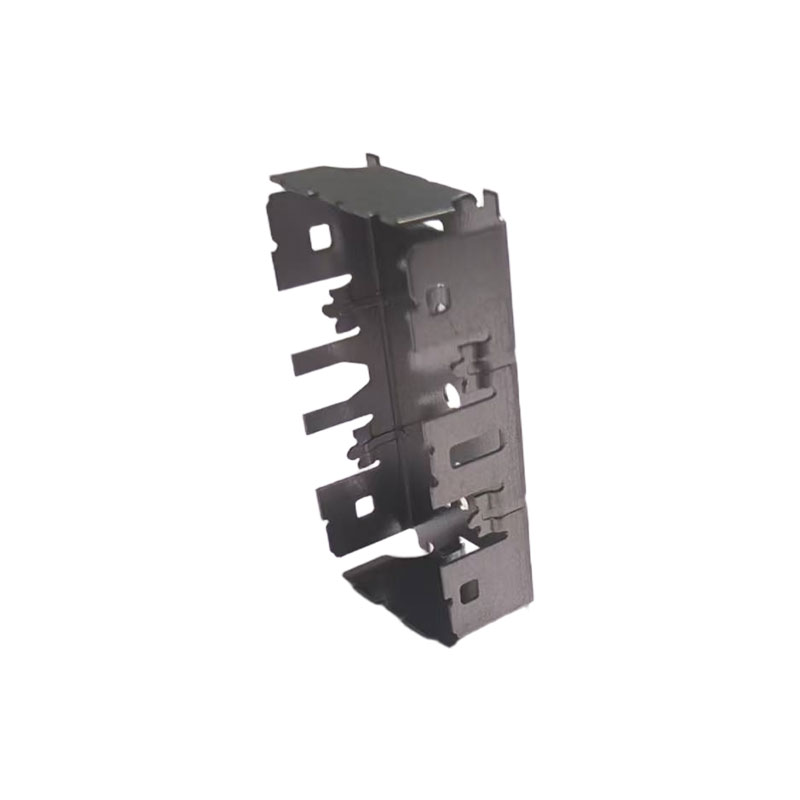
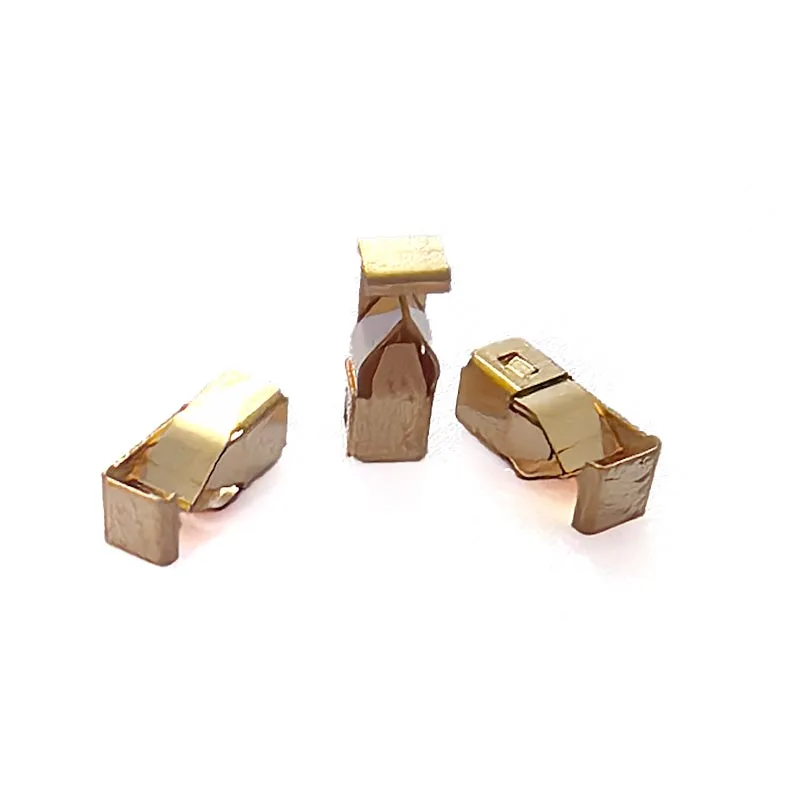
When automotive components must combine dimensional accuracy, structural strength, repeatability, and efficient mass production, Qiren provides Automobile Precision Stamping Parts designed for demanding automotive applications. With advanced stamping equipment, precision mold technology, and customized production capabilities, Qiren supports manufacturers seeking stable metal components for modern vehicle systems.
Automobile Precision Stamping Parts are essential metal components used throughout modern vehicles, from structural assemblies and electrical systems to battery-related components and safety mechanisms. Precision stamping combines controlled forming, punching, bending, drawing, and other operations to produce repeatable parts at production scale. For automotive buyers, the right supplier must balance dimensional accuracy, material selection, tooling performance, production efficiency, and quality control. Qiren offers customized precision stamping solutions using materials such as stainless steel, aluminum alloys, and copper, supported by precision molds and one-stop manufacturing services.
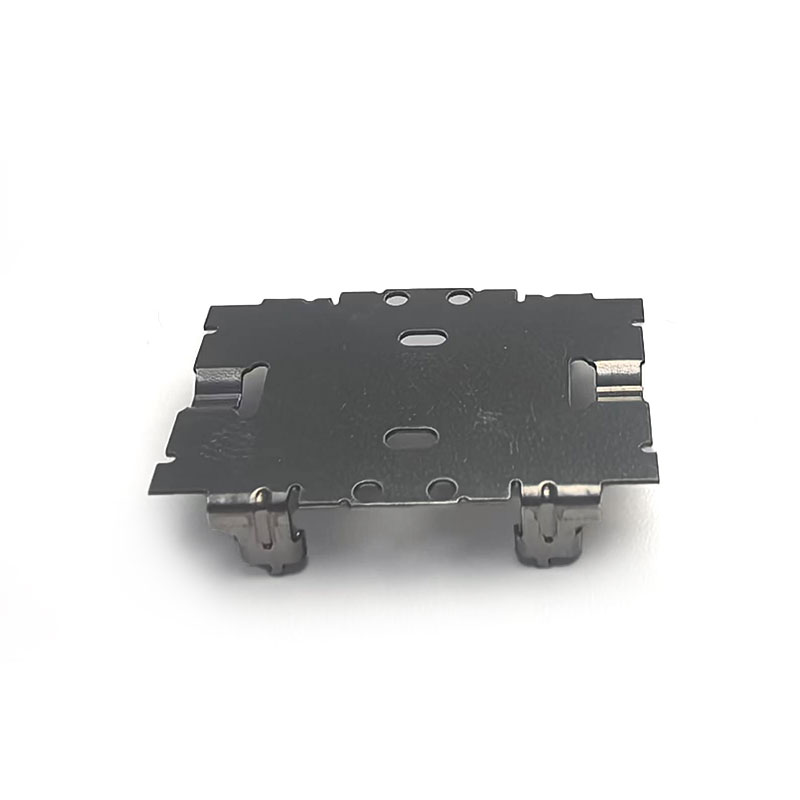
Table of Contents
Why Are Automobile Precision Stamping Parts Important?
Where Are Automobile Precision Stamping Parts Used?
Which Materials Are Commonly Used?
How Are Precision Automotive Stamping Parts Manufactured?
What Quality Factors Should Buyers Evaluate?
Why Choose Qiren for Automotive Precision Stamping?
How Can You Start a Precision Stamping Project?
Why Are Automobile Precision Stamping Parts Important?
Automotive manufacturing requires components that can maintain consistent dimensions over thousands or millions of production cycles. Even a small dimensional deviation can influence assembly accuracy, electrical contact, mechanical movement, or the fit between adjacent components.
This is why precision stamping has become an important manufacturing method for automotive metal components. Compared with individually machining every component, stamping uses dedicated dies and controlled forming operations to create repeatable geometries efficiently.
High-quality stamped components can provide several practical benefits:
- Consistent dimensions: Precision tooling helps maintain repeatable part geometry.
- High production efficiency: Stamping is suitable for medium- and high-volume manufacturing.
- Material utilization: Proper die and strip design can reduce unnecessary material waste.
- Complex forming capability: Drawing, bending, punching, and other operations can create functional geometries.
- Assembly compatibility: Stable dimensions support efficient downstream assembly.
- Cost control: Optimized tooling and high-volume production can lower the unit cost of suitable components.
Where Are Automobile Precision Stamping Parts Used?
Automobile Precision Stamping Parts can be designed for different vehicle systems according to the required material, geometry, strength, tolerance, and surface requirements. Their applications extend beyond conventional body components and increasingly include electric and intelligent vehicle systems.
| Application Area | Typical Component Requirements | Key Considerations |
|---|---|---|
| Body and Structural Systems | Formed and reinforced metal components | Strength, geometry, dimensional stability |
| Electrical Systems | Conductive and connection-related components | Electrical performance, precision, surface condition |
| New Energy Vehicles | Battery and electric-drive related stamped components | Material compatibility, accuracy, repeatability |
| Safety Systems | Functional brackets and safety-related metal parts | Strength, reliability, dimensional control |
| Interior and Auxiliary Assemblies | Brackets, clips, supports, and formed hardware | Fit, appearance, corrosion resistance |
As vehicle architectures evolve toward electrification, connected systems, and lightweight construction, manufacturers increasingly need customized metal parts rather than standardized components. This makes engineering collaboration between the automotive buyer and stamping supplier especially important.
Which Materials Are Commonly Used?
Material selection directly affects stamping performance, durability, conductivity, corrosion resistance, weight, and final cost. Qiren's automotive stamping capabilities support multiple metal materials, including stainless steel, aluminum alloy, and copper.
- Stainless steel: Suitable when corrosion resistance, strength, and dimensional stability are important.
- Aluminum alloy: Useful for lightweight automotive designs where reducing component mass is a priority.
- Copper: Appropriate for applications where electrical conductivity is a major consideration.
- Other engineered metals: Material selection can be adjusted according to mechanical, electrical, forming, and environmental requirements.
Before production, buyers should provide the material grade, thickness, mechanical requirements, surface treatment requirements, and expected operating environment. These details allow the supplier to evaluate forming behavior and select an appropriate stamping process.
How Are Precision Automotive Stamping Parts Manufactured?
A reliable automotive stamping project starts long before the first production run. The product geometry, material, tolerance, annual volume, and intended application all influence die design and process selection.
- Engineering review: Product drawings and technical requirements are reviewed to identify manufacturing challenges.
- Material evaluation: Material type and thickness are matched with the required mechanical and forming characteristics.
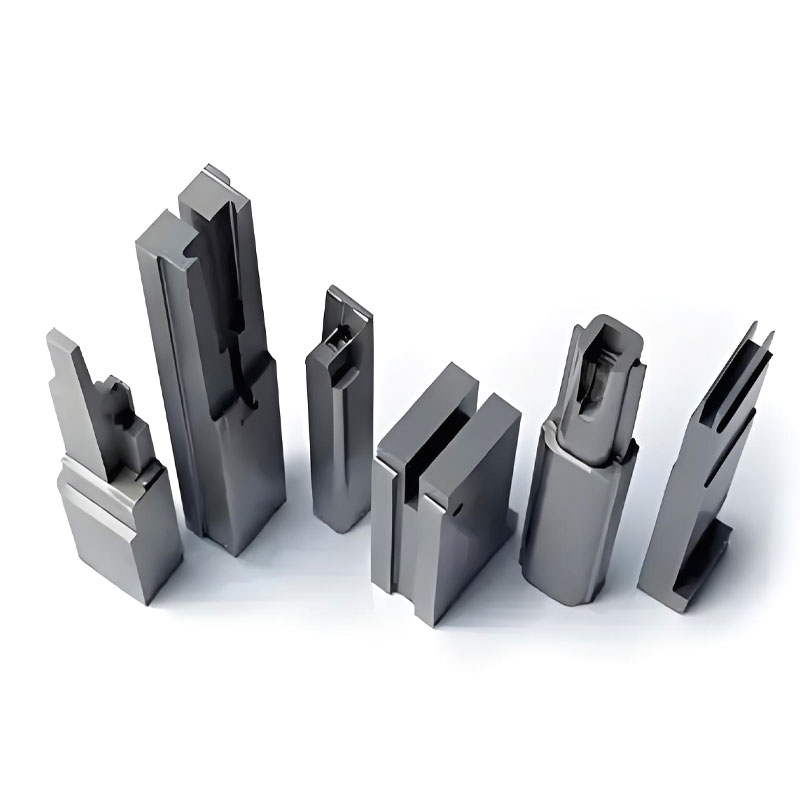
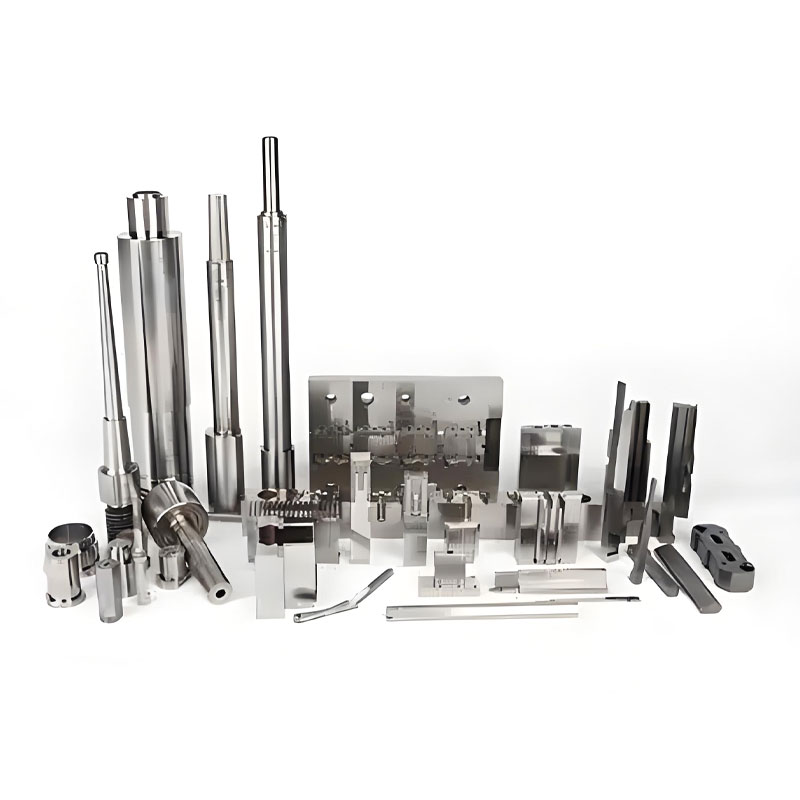
- Die development: Progressive, compound, drawing, punching, shearing, or other suitable dies can be developed according to the part design.
- Precision machining: CNC, EDM, wire cutting, and other precision processes are used to manufacture critical tooling components.
- Trial production: Tooling is tested and adjusted to verify dimensions, forming quality, and process stability.
- Stamping production: The approved tooling is used for controlled production according to customer specifications.
- Inspection and delivery: Finished parts are inspected before shipment to help ensure compliance with agreed requirements.
Qiren states that its automotive stamping operations can achieve product accuracy down to approximately ±0.008 mm and support processes including stretching, bending, punching, and riveting.
What Quality Factors Should Buyers Evaluate?
Precision should not be evaluated by one tolerance figure alone. A dependable automotive stamping solution requires control throughout tooling development, material handling, production, inspection, and delivery.
When comparing suppliers, automotive purchasing teams should examine:
- Dimensional accuracy: Can the supplier consistently achieve the required critical dimensions?
- Tooling capability: Does the supplier have experience with complex progressive, compound, drawing, and punching dies?
- Material control: Can the supplier work with the required metal grades and thicknesses?
- Production repeatability: Can quality remain stable throughout larger production batches?
- Inspection capability: Are appropriate measurement and quality-control procedures available?
- Engineering support: Can engineers identify manufacturability problems before mass production?
- Supply-chain responsiveness: Can the supplier provide efficient communication, sampling, and production scheduling?
These factors are particularly important for automotive programs because a component may need to integrate with several other parts. A technically accurate component that is difficult to assemble or inconsistent between batches can still create downstream costs.
Why Choose Qiren for Automotive Precision Stamping?
Qiren combines precision tooling, metal stamping, engineering support, and customized production into a one-stop manufacturing approach. The company reports more than 15 years of industry experience and uses CNC punching machines, high-speed stamping equipment, and automated production lines for precision manufacturing.
Its manufacturing capabilities are particularly relevant to automotive buyers who need customized components rather than off-the-shelf parts. The company can support progressive dies, compound dies, drawing dies, punching and shearing dies, and compression dies according to different product structures.
Another advantage is the ability to integrate mold development with subsequent stamping production. This can simplify communication between tooling and production teams while helping customers manage development, sampling, and mass-production requirements through one supplier.
For overseas buyers, a supplier's ability to understand technical drawings, tolerance requirements, material specifications, annual quantities, and surface requirements is also critical. Qiren's inquiry process specifically requests technical information such as 2D/3D CAD files, material specifications, annual quantity, target dimensions, tolerance requirements, and surface finish needs to support quotation and engineering evaluation.
Frequently Asked Questions
What are Automobile Precision Stamping Parts?
Automobile Precision Stamping Parts are metal components manufactured through controlled stamping processes such as punching, bending, drawing, shearing, and riveting. They are designed for automotive systems that require consistent dimensions, reliable performance, and efficient production.
What materials can be used for automotive precision stamping?
Common choices include stainless steel, aluminum alloys, and copper. The most suitable material depends on the component's required strength, conductivity, weight, corrosion resistance, forming characteristics, and operating environment.
Can Qiren manufacture customized automotive stamping components?
Yes. Qiren provides customized mold development and one-stop metal stamping services. Buyers can submit product drawings or CAD files together with material, tolerance, quantity, and surface requirements for engineering evaluation.
What precision can automotive stamped parts achieve?
Qiren's automobile stamping product page states an accuracy capability of approximately ±0.008 mm. Actual achievable tolerance depends on material, component geometry, tooling structure, process conditions, and inspection requirements.
What information should buyers provide when requesting a quotation?
For a more accurate quotation, buyers should provide a 2D or 3D drawing, material specification, annual or order quantity, critical dimensions, tolerance requirements, surface finish requirements, and application information when available.
How Can You Start a Precision Stamping Project?
Choosing the right automotive stamping supplier is ultimately about more than purchasing a metal component. It requires confidence in tooling engineering, material selection, dimensional control, production consistency, inspection, and communication. For projects involving complex geometries or demanding tolerances, early engineering evaluation can prevent avoidable tooling changes and production delays.
Qiren offers customized Automobile Precision Stamping Parts together with precision mold development and metal stamping services for automotive and related industrial applications. If you have drawings, samples, material specifications, or a new automotive component project, learn more about Qiren's automobile precision stamping capabilities and contact us to discuss your requirements, request an engineering evaluation, and develop a suitable precision stamping solution.