
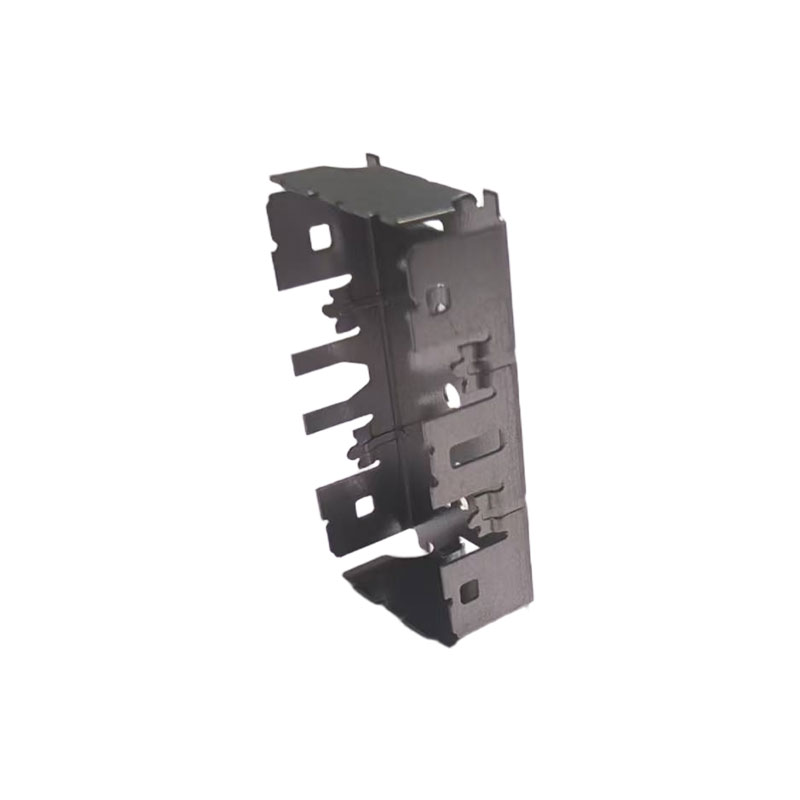
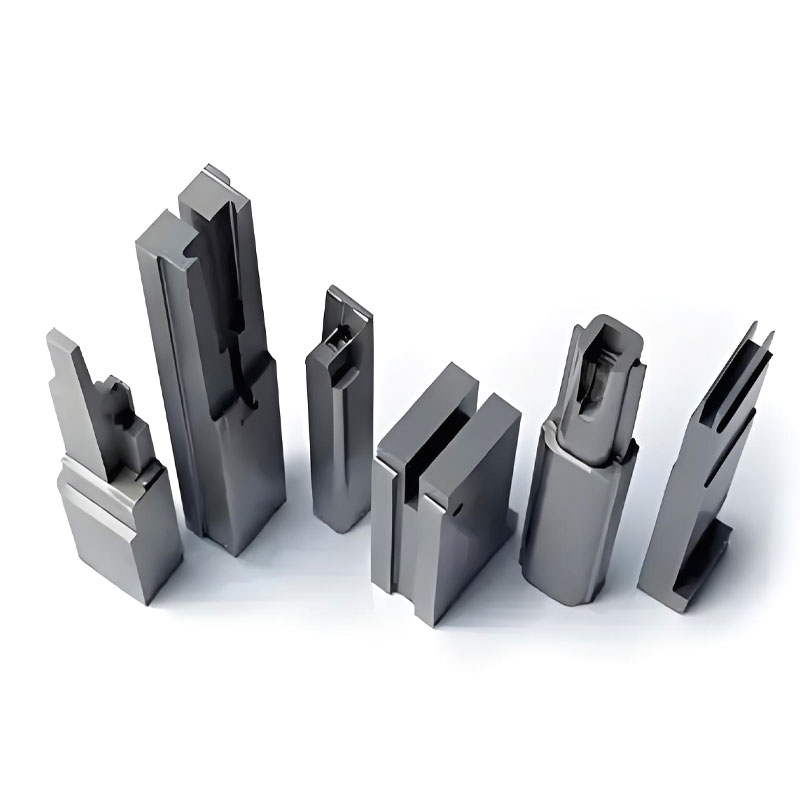
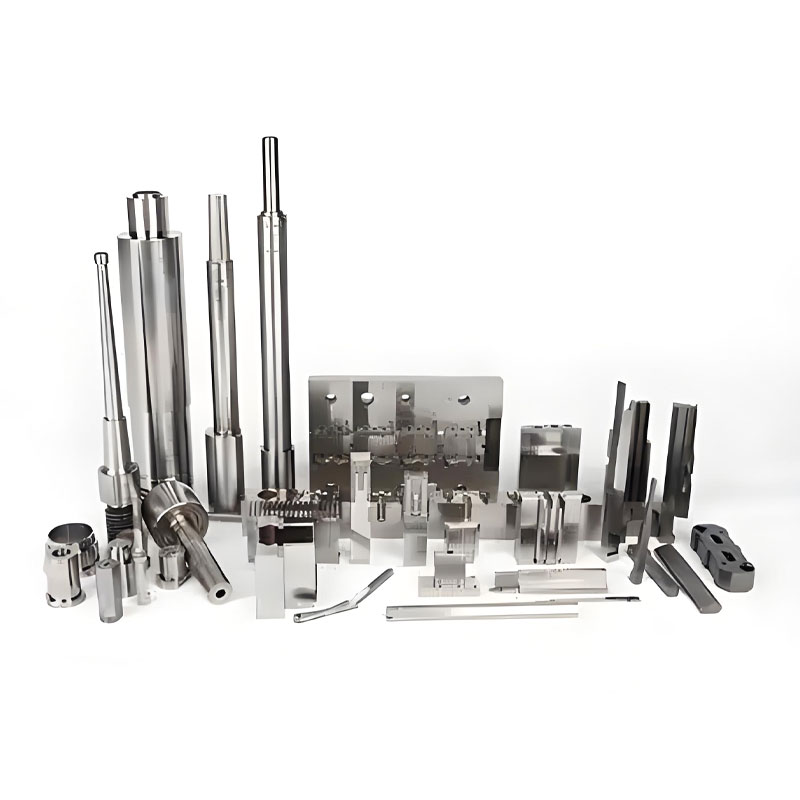
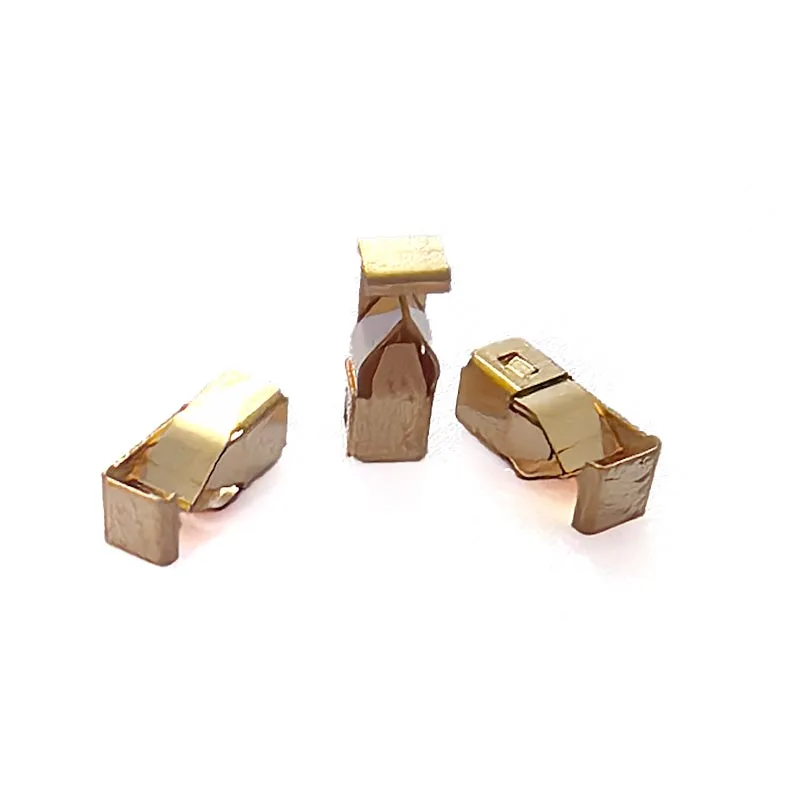
Qiren develops precision High-Speed Stamping Mold solutions for demanding metal forming applications, combining high-speed production capability, tight dimensional control, durable tooling, and intelligent manufacturing technologies. Designed for industries such as automotive, electronics, and medical equipment, these molds help manufacturers achieve consistent parts while controlling material consumption and production costs.
A high-speed stamping mold is a precision tooling solution designed to support rapid, repeatable metal stamping operations. Compared with conventional tooling, it focuses on maintaining dimensional stability, minimizing material waste, extending mold service life, and supporting continuous high-volume production. The right mold design can directly influence production speed, part consistency, tooling maintenance, and overall manufacturing efficiency.
Qiren has developed high-speed stamping die capabilities around precision engineering, automated production, intelligent inspection, and digital production management. Its product information indicates dimensional precision of up to ±0.01 mm and a potential mold lifespan exceeding 5 million cycles, depending on application and operating conditions. The company also integrates MES and ERP systems to improve production scheduling, equipment monitoring, and quality traceability.
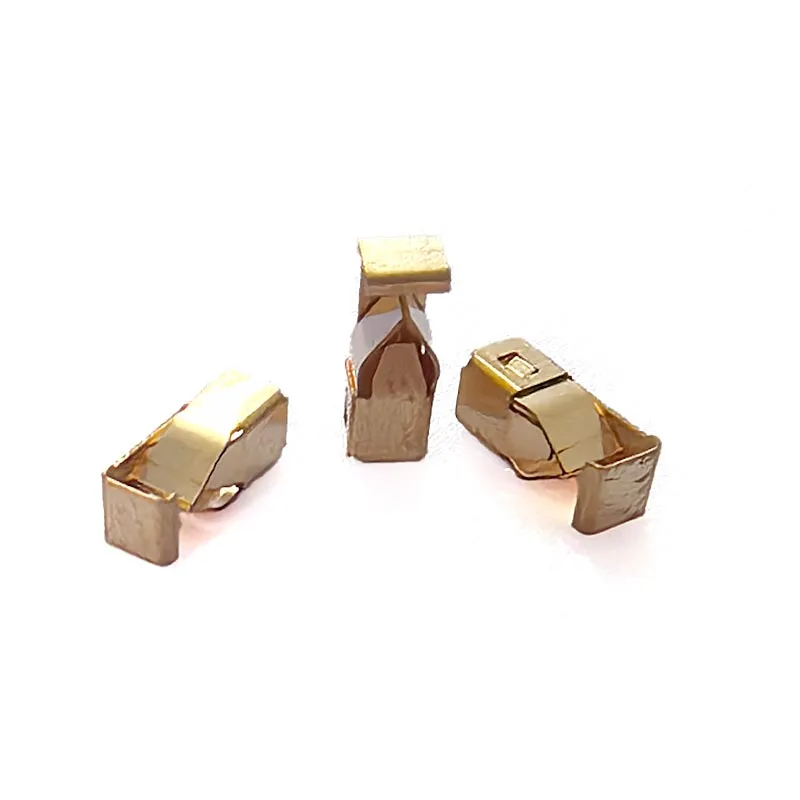
Table of Contents
- What Is a High-Speed Stamping Mold?
- Why Is High-Speed Stamping Important for Modern Manufacturing?
- What Are the Main Advantages of High-Speed Stamping Mold?
- What Design Features Make a Stamping Mold Suitable for High-Speed Production?
- Where Are High-Speed Stamping Molds Commonly Used?
- How Should Manufacturers Select the Right High-Speed Stamping Mold?
- How Does Qiren Support High-Speed Stamping Mold Manufacturing?
- High-Speed Stamping Mold vs. Conventional Stamping Tooling
- Frequently Asked Questions About High-Speed Stamping Mold
- How Can High-Speed Stamping Mold Support Long-Term Production Goals?
What Is a High-Speed Stamping Mold?
A High-Speed Stamping Mold is a precision die system engineered for metal stamping operations performed at relatively high production speeds. The tooling guides, forms, cuts, bends, or otherwise shapes sheet metal through controlled interactions between punches, dies, guides, and other precision components.
Unlike tooling designed only for low-speed production, high-speed stamping dies must maintain accurate alignment and stable operation throughout repeated cycles. Small deviations can become significant when a mold operates continuously at high production rates. Therefore, precision machining, appropriate material selection, controlled clearances, and effective inspection are essential to reliable performance.
High-speed stamping is particularly valuable when manufacturers need large quantities of small, repeatable metal components. Applications can include terminals, connectors, clips, brackets, electrical contacts, and other precision hardware.
Why Is High-Speed Stamping Important for Modern Manufacturing?
Modern manufacturers increasingly need to balance production volume, dimensional accuracy, material efficiency, and manufacturing costs. Stamping is already an efficient method for producing large quantities of metal parts, but the performance of the tooling determines how effectively a production line can operate.
A properly engineered high-speed stamping system can help maintain consistent geometry across thousands or millions of cycles. It can also reduce unnecessary interruptions caused by premature tooling wear, dimensional drift, or frequent manual adjustments.
For industries such as automotive electronics and consumer electronics, where components may have strict dimensional requirements, stable tooling performance is particularly important. Consistent production also simplifies downstream assembly because parts are manufactured within controlled dimensional limits.
What Are the Main Advantages of High-Speed Stamping Mold?
The value of high-speed stamping tooling extends beyond production speed. Its primary benefits involve the complete manufacturing process.
1. High Production Efficiency
High-speed tooling is designed for rapid and repetitive stamping cycles. When properly matched with the press, material feed system, and production requirements, it can support high-volume manufacturing with fewer interruptions.
2. Consistent Part Quality
Precision die components and controlled clearances help maintain repeatable part dimensions. Stable tooling is especially important for components that must fit with connectors, electrical assemblies, automotive systems, or other precision products.
3. Better Material Utilization
Tooling design can influence strip layout, nesting, feeding, and the amount of scrap generated during stamping. An optimized die can therefore contribute to improved material utilization and lower production waste.
4. Extended Tooling Life
High-quality materials, accurate machining, appropriate heat treatment, and controlled operating conditions can improve resistance to wear. Qiren's product information describes a potential service life of more than 5 million cycles, although actual life depends on material, stamping conditions, maintenance, and production parameters.
5. Broad Application Adaptability
High-speed stamping technology can be adapted to different metal materials, component geometries, and production requirements. Progressive, compound, and other specialized tooling configurations may be selected according to the part design and manufacturing process.
What Design Features Make a Stamping Mold Suitable for High-Speed Production?
High-speed operation requires more than simply increasing press speed. The mold itself must be engineered to remain stable under repeated mechanical loads.
- Precision guide systems: Help maintain accurate alignment between the upper and lower die components.
- Optimized punch and die clearance: Supports clean cutting and reduces unnecessary stress and wear.
- Wear-resistant tooling materials: Improve durability in continuous production environments.
- Accurate machining: CNC machining, EDM, grinding, and other precision processes help achieve tight dimensional requirements.
- Efficient material feeding: Accurate strip feeding is essential for maintaining part-to-part consistency.
- Effective inspection: Dimensional inspection and production monitoring help identify deviations before they affect large production batches.
For demanding applications, the design should also consider heat generation, lubrication, material properties, press characteristics, maintenance accessibility, and expected production volume.
Where Are High-Speed Stamping Molds Commonly Used?
High-speed stamping tooling is suitable for industries where precision metal components must be manufactured repeatedly and efficiently. Typical applications include:
- Automotive connectors and electrical terminals
- Consumer electronics components
- Communication equipment hardware
- Medical device components
- Industrial electrical components
- Precision clips, brackets, and contact parts
- Small metal components requiring repeatable dimensions
In automotive and electronic applications, stamping molds can be integrated into automated production lines where feeding, stamping, inspection, and material handling are coordinated to maintain continuous output.
How Should Manufacturers Select the Right High-Speed Stamping Mold?
Selecting tooling according to production speed alone can lead to unnecessary costs or performance problems. Buyers should evaluate the complete manufacturing requirement before finalizing a mold design.
| Selection Factor | What to Evaluate | Why It Matters |
|---|---|---|
| Material | Metal type, thickness, hardness, and surface condition | Influences punch, die, clearance, and wear requirements |
| Part Geometry | Dimensions, bends, holes, tolerances, and complexity | Determines the appropriate die structure and forming sequence |
| Production Volume | Daily, monthly, and annual output requirements | Helps determine tooling durability and automation requirements |
| Press Compatibility | Stroke, tonnage, speed, and working dimensions | Ensures safe and stable mold operation |
| Precision | Required dimensional and positional tolerances | Ensures the tooling meets downstream assembly requirements |
| Maintenance | Accessibility, replaceable components, and inspection procedures | Helps reduce production downtime and maintenance costs |
Manufacturers should provide 2D drawings, 3D CAD files, material specifications, target production volume, dimensional tolerances, surface requirements, and any special stamping conditions during the quotation stage. This information allows the tooling supplier to assess feasibility and develop a more accurate technical proposal.
How Does Qiren Support High-Speed Stamping Mold Manufacturing?
Qiren has focused on precision mold and stamping manufacturing for more than a decade. According to its product information, its facility covers approximately 3,000 square meters and has more than 50 employees, with technical R&D personnel representing about 15% of the workforce.
Its manufacturing approach combines precision tooling with digital production management. Qiren integrates MES and ERP systems to support order management, production scheduling, equipment monitoring, and quality traceability. The company also describes the use of automated loading and unloading systems and intelligent testing equipment to reduce manual intervention.
For buyers evaluating a high-speed stamping mold supplier, these capabilities are relevant because tooling quality depends not only on the final mold but also on engineering, machining, inspection, process control, and technical support.
Qiren's published product specifications state precision of up to ±0.01 mm and a mold lifespan of more than 5 million cycles for applicable high-speed stamping solutions. Actual performance should be confirmed according to the material, component geometry, press conditions, cycle rate, and maintenance program of each project.
High-Speed Stamping Mold vs. Conventional Stamping Tooling
Both conventional and high-speed stamping tooling can produce precision metal parts, but their engineering priorities can differ. High-speed applications place greater emphasis on dynamic stability, wear resistance, feeding accuracy, and continuous-cycle reliability.
| Feature | High-Speed Stamping Mold | Conventional Stamping Tooling |
|---|---|---|
| Production Speed | Designed for high-cycle production | Generally suited to standard production speeds |
| Precision Control | Strong emphasis on tight alignment and repeatability | Depends on tooling design and production requirements |
| Wear Management | Designed around continuous high-cycle operation | Typically optimized according to standard operating conditions |
| Automation | Well suited to automated feeding and inspection | Can range from manual to automated production |
| Typical Application | High-volume precision components | General stamping applications |
Frequently Asked Questions About High-Speed Stamping Mold
What materials can be processed with a High-Speed Stamping Mold?
The suitable material depends on the mold design, press conditions, and component requirements. Common stamping materials include various steels, stainless steels, copper alloys, aluminum alloys, and other conductive or structural metals. Material thickness and hardness should be confirmed during tooling design.
How long can a high-speed stamping mold last?
Tool life varies according to material hardness, stamping speed, lubrication, maintenance, part geometry, and production conditions. Qiren states that certain high-speed stamping molds can achieve more than 5 million cycles, but the expected lifespan should be evaluated for each specific project.
What information is needed to request a mold quotation?
Manufacturers should normally provide a 2D drawing or 3D CAD file, material specification, material thickness, annual production quantity, dimensional tolerances, surface requirements, preferred press information, and any special production requirements. More complete technical information generally enables a more accurate tooling assessment.
Can high-speed stamping molds be used for automated production?
Yes. High-speed stamping molds are particularly suitable for automated production lines when the die, press, strip feeder, material handling equipment, and inspection system are properly coordinated. Automation can reduce manual intervention and improve production consistency.
What industries use high-speed stamping dies?
Common industries include automotive, electronics, electrical equipment, medical devices, communication equipment, and industrial hardware. The technology is especially useful where high production volumes and repeatable dimensional accuracy are required.
How Can High-Speed Stamping Mold Support Long-Term Production Goals?
A well-engineered High-Speed Stamping Mold can become a critical part of an efficient metal manufacturing system. By combining precision tooling, appropriate materials, stable feeding, automated handling, inspection, and systematic maintenance, manufacturers can improve production consistency while managing tooling and material costs.
For companies evaluating customized high-speed stamping solutions, the most important step is to match mold construction with the actual part design, material, production volume, press parameters, and quality requirements. Qiren provides precision stamping and mold manufacturing capabilities supported by digital production management and engineering expertise. If you are planning a new stamping project or need a customized tooling solution, explore Qiren's High-Speed Stamping Mold solution and contact us to discuss your drawings, materials, production targets, and technical requirements.