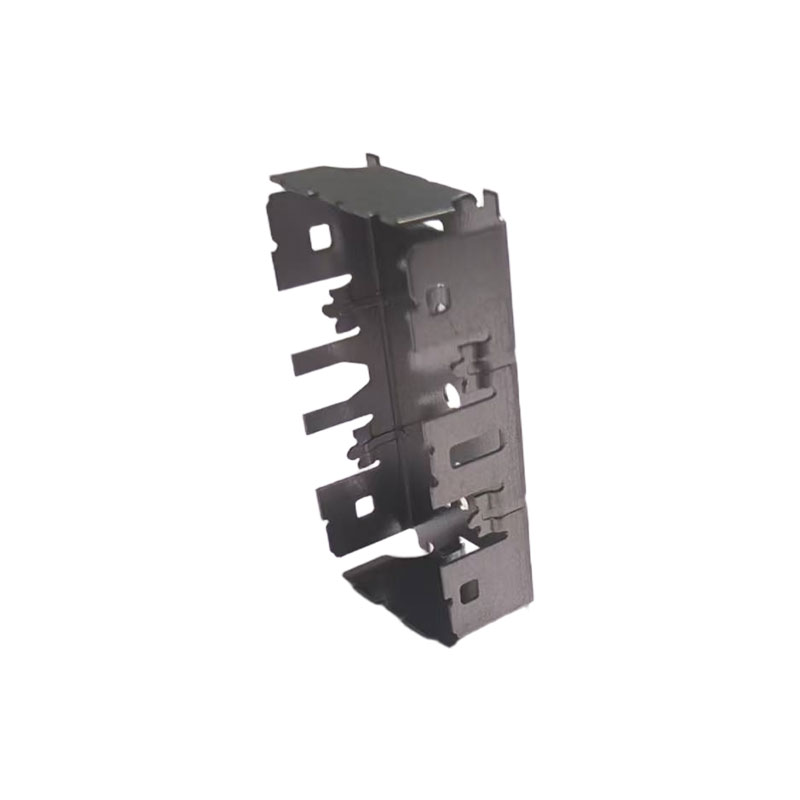
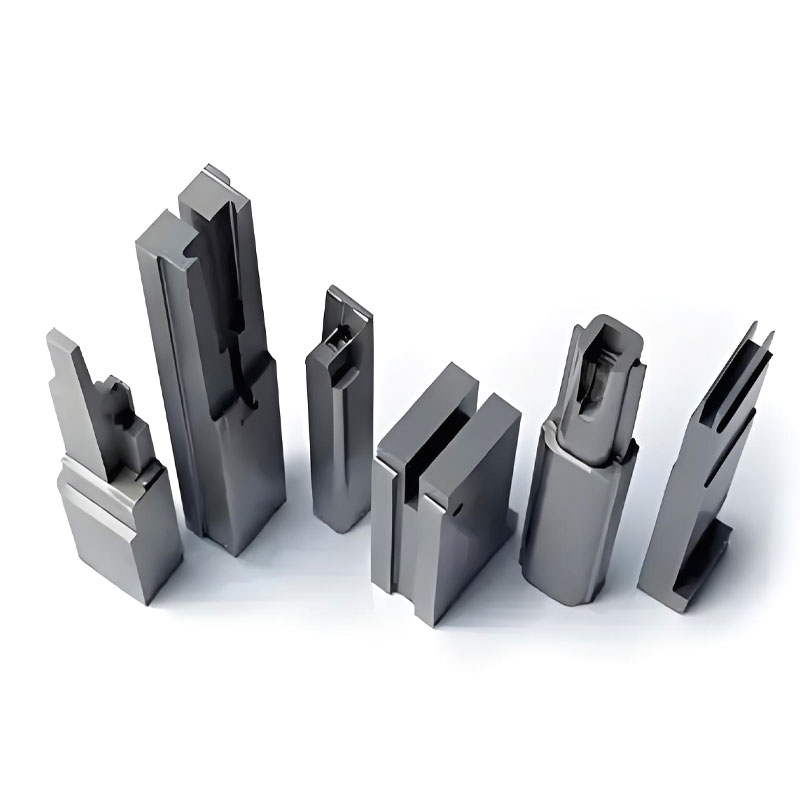
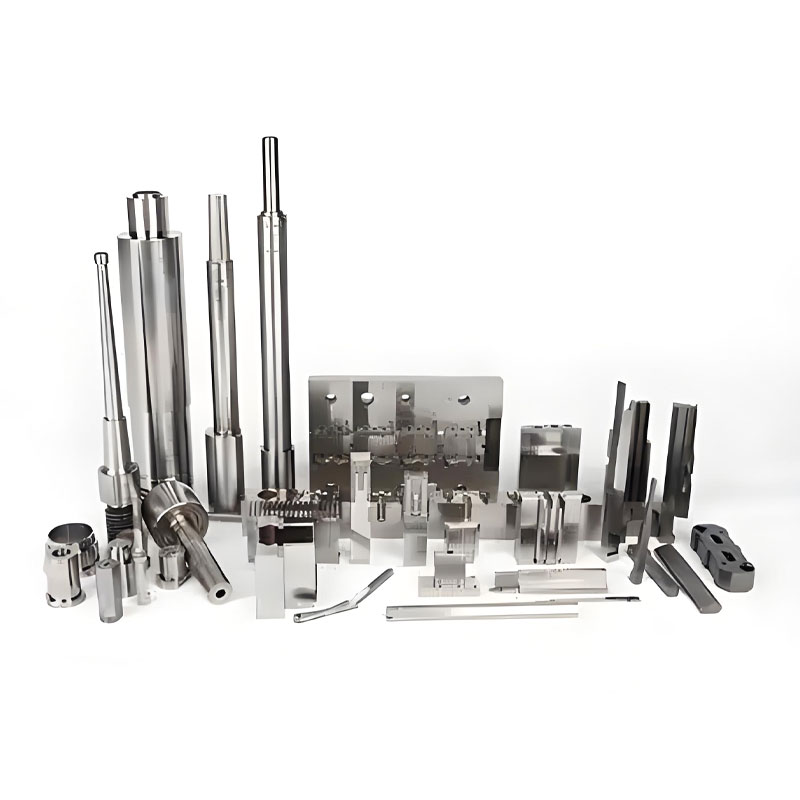
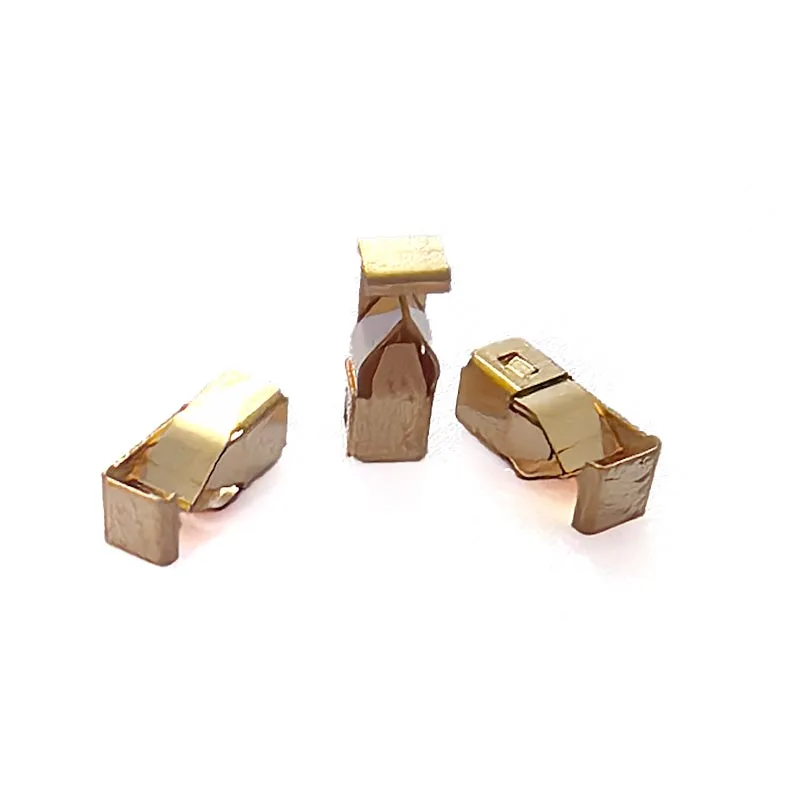
Qiren provides Hardware Mold Parts Processing solutions for manufacturers that require accurate metal components, reliable stamping performance, and consistent production quality. By combining precision machining, carefully engineered mold structures, and appropriate process control, businesses can improve component consistency while managing tooling costs and production efficiency.
Hardware mold parts processing is a critical manufacturing process for producing precision tooling components used in metal stamping and related industrial applications. It involves material selection, CNC machining, grinding, electrical discharge machining (EDM), wire cutting, heat treatment, and dimensional inspection, depending on the part's design and application. The quality of each component influences mold alignment, stamping accuracy, tool life, and production stability. This guide explains the main processing methods, material considerations, quality control requirements, common applications, and practical criteria for choosing a manufacturing partner. It also outlines how an engineering-focused approach can help manufacturers reduce rework, improve material utilization, and achieve more predictable production results.
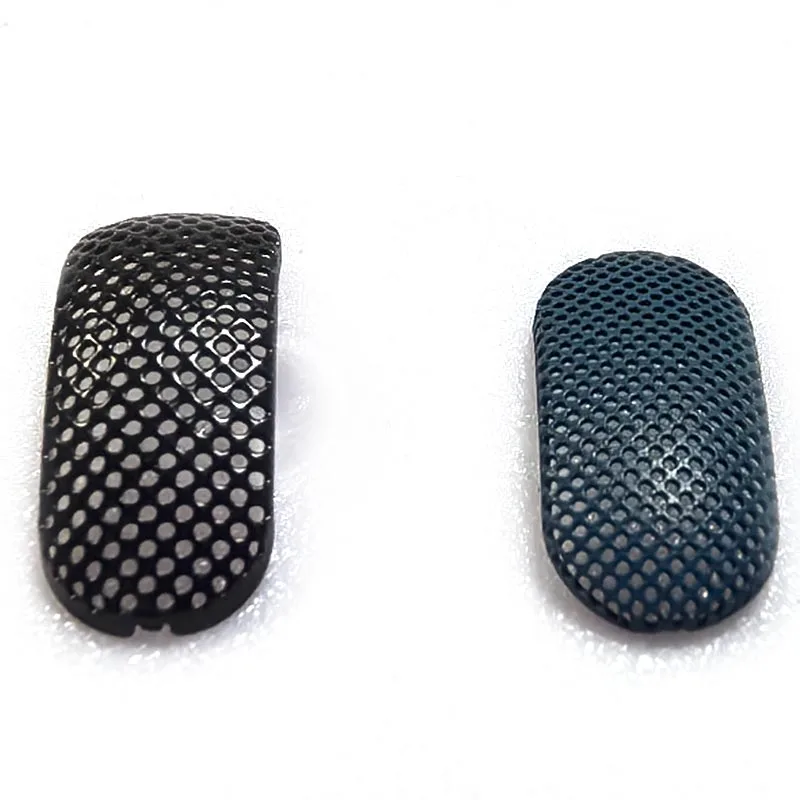
Hardware mold parts processing refers to the manufacture and finishing of precision components used to build, assemble, maintain, and operate metalworking molds. These components may include punches, dies, guide pins, guide bushings, inserts, retainers, plates, and other functional elements that determine how a mold positions and forms material.
Unlike general-purpose metalworking, mold component production must account for the interaction between multiple parts. A punch and die, for example, must maintain an appropriate clearance to cut sheet metal cleanly. Guide components must preserve alignment during repeated movement, while wear-prone surfaces need suitable hardness and surface finish.
Qiren's hardware mold processing capabilities include precision tooling development and the production of mold solutions for demanding industrial applications. Its product information highlights CNC equipment, high-speed stamping technology, and customized progressive and compound dies. These capabilities are relevant to manufacturers seeking tooling designed around specific component geometry and production requirements.
For additional background, explore hardware mold solutions and precision parts processing.
Precision influences much more than the dimensions of an individual part. It affects how the entire mold performs during production. Small errors in critical dimensions, flatness, concentricity, or alignment can lead to uneven loading, excessive wear, poor cutting edges, or inconsistent finished components.
High-quality processing helps manufacturers address several important objectives:
Required tolerances should always be defined according to the component's function, material, and operating conditions. A non-critical mounting plate does not necessarily require the same tolerance as a precision punch or guide pin. Applying tighter tolerances only where technically justified can protect quality without unnecessarily increasing manufacturing costs.
A typical mold component may require several manufacturing operations rather than a single machining process. The appropriate sequence depends on geometry, material hardness, surface requirements, and the final application.
| Processing Method | Primary Purpose | Typical Application |
|---|---|---|
| CNC milling | Produces profiles, pockets, slots, and complex geometries | Mold plates, inserts, and structural components |
| CNC turning | Machines cylindrical features and concentric surfaces | Guide pins, shafts, and round tooling parts |
| Precision grinding | Improves dimensional accuracy, flatness, and surface finish | Die surfaces, precision plates, and hardened components |
| Wire EDM | Cuts intricate profiles and narrow features in conductive materials | Precision punches, dies, and complex contours |
| Sinker EDM | Creates cavities and detailed shapes using a shaped electrode | Complex mold cavities and hard-to-machine features |
| Heat treatment | Adjusts hardness and mechanical properties | Wear-resistant punches, dies, and inserts |
| Surface finishing | Controls surface texture, burrs, and functional contact conditions | Sliding surfaces, precision fits, and forming areas |
These methods are complementary. CNC machining efficiently removes material and establishes the main geometry, while grinding can refine critical surfaces. Wire EDM is useful for intricate contours, particularly in conductive materials that may be difficult to machine conventionally. Heat treatment improves selected material properties but must be planned carefully because it can introduce distortion.
For more specialized machining requirements, see precision machining solutions.
Material selection affects tool life, machinability, dimensional stability, and resistance to wear. The best option depends on the component's function rather than hardness alone. A highly wear-resistant punch may need different properties from a mold base that primarily supports other components.
Common considerations include:
Before production begins, engineers should confirm the material grade, hardness range, heat-treatment requirements, and any special surface treatment. Material certificates and traceability records may also be required for regulated or quality-sensitive applications.
When comparing quotations, ensure that suppliers are pricing the same material specification and condition. Two components with identical dimensions may perform very differently if their material grades, hardness, or finishing requirements are not equivalent.
Effective quality control starts before machining and continues through final inspection. Inspecting only the finished dimensions may not reveal issues related to material condition, heat-treatment distortion, surface damage, or assembly compatibility.
A practical inspection workflow includes the following stages:
Inspection frequency should reflect the risk associated with each feature. Critical dimensions may require documented measurement results, while less sensitive features can follow a suitable sampling plan. First-article inspection is especially useful for new tooling, revised drawings, and repeat orders involving process changes.
Clear documentation also supports communication between design, machining, quality, and assembly teams. If a defect occurs, traceable inspection records help identify whether the cause relates to material, machining, heat treatment, or assembly.
Precision mold components support production across industries that rely on repeatable metal forming, stamping, and detailed tooling. Their designs vary according to the material being processed, the required production rate, and the functional demands of the finished product.
For example, a manufacturer producing miniature electrical terminals may need narrow cutting profiles, controlled clearances, and consistent alignment across multiple stations. A progressive die can perform several operations as strip material advances through the tool. The quality of its punches, inserts, and guiding components directly affects repeatability and maintenance requirements.
For high-volume projects, tooling design and part processing should be evaluated together. Optimizing one component in isolation may not deliver the best result if the complete die structure, material feed, and operating conditions are not considered.
Choosing a manufacturing partner requires more than comparing unit prices. Buyers should evaluate engineering support, equipment suitability, process control, communication, and the supplier's ability to maintain consistent results throughout the order.
Use the following checklist when evaluating a potential supplier:
Qiren presents hardware mold solutions for industrial applications, including customized progressive and compound dies. Buyers evaluating a project can review its hardware mold capabilities and high-precision hardware mold processing information to understand the available manufacturing focus.
When assessing any supplier, verify that stated tolerances, production capacity, certifications, and tool-life expectations apply to the specific project. Request supporting documentation when these factors are critical to procurement decisions.
The lowest initial tooling quotation does not always result in the lowest total cost. Machining complexity, tool maintenance, scrap, downtime, and replacement frequency all influence the long-term economics of a mold component.
Manufacturers can improve cost efficiency through several practical measures:
A useful cost comparison should include the initial component price, expected maintenance, replacement frequency, and the financial impact of production interruptions. Where high-volume stamping is involved, a durable tool component may justify a higher upfront cost if it reduces downtime and replacement needs over the production cycle.
Tool-life targets should be treated as engineering estimates rather than universal guarantees. Actual performance depends on material, die design, lubrication, press conditions, maintenance, and the quality of the finished component.
Hardware Mold Parts Processing is the manufacture and finishing of precision components used in metal stamping and other tooling applications. Common operations include CNC milling, turning, grinding, wire EDM, heat treatment, and dimensional inspection.
Precision depends on drawing requirements, machine capability, material properties, machining strategy, workholding, heat-treatment distortion, and inspection methods. Critical tolerances should be specified according to the component's actual function.
Tool steel, alloy steel, pre-hardened mold steel, carbide, and selected stainless steels are commonly considered. The appropriate choice depends on hardness, wear resistance, toughness, corrosion resistance, and machining requirements.
Appropriate material selection, controlled heat treatment, suitable surface finishing, correct mold alignment, and preventive maintenance can help extend service life. Operating conditions and the processed material must also be considered.
Provide 2D engineering drawings, 3D CAD files if available, material specifications, critical tolerances, surface finish requirements, expected order quantity, annual demand, inspection requirements, and the intended application. Include heat-treatment or coating requirements when applicable.
Yes. Custom components can be developed around a particular mold structure, production process, and finished-part design. The feasibility, cost, and lead time depend on geometry, material, tolerance requirements, and the manufacturing processes involved.
Hardware mold parts processing plays a vital role in producing accurate, durable, and consistent industrial components. A well-planned combination of engineering design, appropriate materials, precision machining, heat treatment, and quality inspection helps manufacturers improve mold performance while controlling production costs. The most effective solution is one that meets the actual technical requirements of the application and remains reliable throughout its intended service life.
Whether you are developing new stamping tooling, improving an existing mold, or sourcing customized precision components, Qiren can be a starting point for evaluating your manufacturing requirements. Visit the Hardware Mold Parts Processing product page to learn more about the available solution. Prepare your drawings, material specifications, tolerance requirements, and expected production volume, then contact us to discuss your project and request a tailored quotation.