Article Summary: Insert molding is an advanced injection molding process that combines plastic materials with pre-positioned metal or non-metal components to create integrated, functional products. Successful insert molding mold design requires careful consideration of insert positioning, mold structure, plastic flow, material compatibility, temperature control, and dimensional accuracy. This article explores the essential design principles, engineering considerations, material selection strategies, and quality control methods that help manufacturers achieve reliable insert-molded components. Drawing on its experience in precision mold manufacturing, Qiren provides customized insert molding mold design solutions for diverse industrial applications.

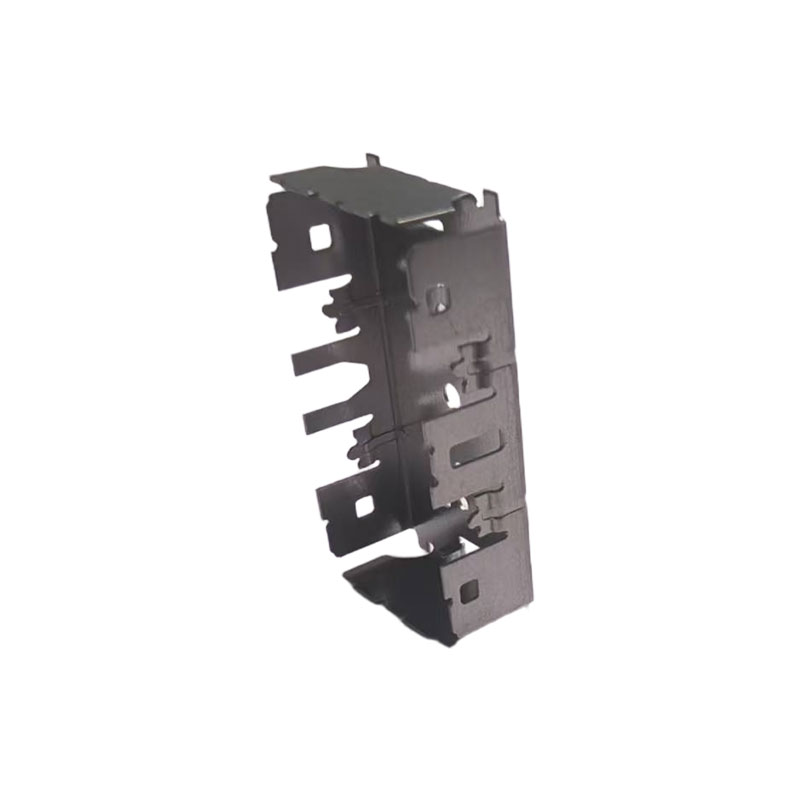
Insert molding mold design is a specialized engineering approach that integrates pre-manufactured metal or non-metal components into plastic products through injection molding. Unlike conventional injection molding, which produces components entirely from molten plastic, insert molding places one or more inserts inside the mold cavity before injecting the polymer material around them.
The resulting component combines the functional characteristics of different materials within a single integrated structure. For example, a metal insert can provide mechanical strength, electrical conductivity, or threaded fastening capabilities, while the surrounding plastic offers insulation, corrosion resistance, lightweight construction, and design flexibility.
For manufacturers seeking dependable precision tooling, Qiren specializes in insert molding mold design and OEM precision plastic mold solutions. Dongguan Qiren Electronics Co., Ltd. has more than 15 years of industry experience and supplies molds to customers in over 20 countries. Its engineering capabilities cover various engineering plastics and customized insert molding requirements.
The main objectives of professional insert molding mold design include:
Therefore, mold design must consider the mechanical characteristics of inserts, polymer behavior, molding conditions, and final application requirements together.
Understanding the manufacturing process is essential before developing an effective mold structure. Insert molding generally follows several coordinated production stages, with each stage influencing the final product's dimensional stability and functional performance.
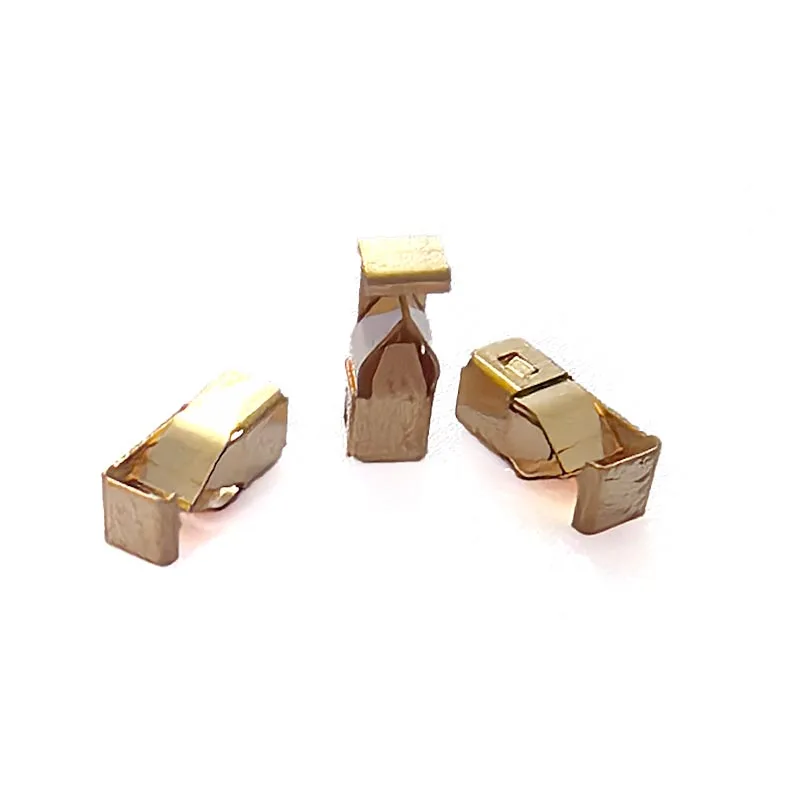
Metal or non-metal inserts are manufactured according to the required specifications. Depending on the application, inserts may include threaded bushings, electrical terminals, pins, connectors, or structural components. Surface cleaning and dimensional inspection help ensure consistent molding conditions.
The prepared insert is placed into a designated location within the mold cavity. Positioning pins, locating features, mechanical supports, or other suitable fixtures prevent movement during mold closing and plastic injection.
Molten plastic is injected into the mold cavity through the runner and gate system. The material flows around the insert, filling the designed spaces and forming the required external geometry.
The injected plastic cools and solidifies while maintaining contact with the insert. Proper cooling channel design helps control shrinkage, residual stress, and dimensional variation.
After sufficient cooling, the mold opens and the finished component is removed. The product is then inspected for insert positioning, surface quality, dimensional accuracy, and other application-specific requirements.
Each stage depends on the preceding engineering decisions. A poorly positioned insert or an unsuitable gate location can create defects that are difficult to correct through process adjustments alone.
High-performance insert molding mold design depends on several interconnected engineering elements. Each must be evaluated during the design and development stages to achieve reliable production.
Accurate insert positioning is one of the most important requirements. Even minor displacement can affect assembly dimensions, electrical connections, mechanical performance, and product appearance.
Designers should evaluate:
For complex components, dedicated positioning mechanisms may be necessary to maintain consistent insert placement throughout repeated molding cycles.
Plastic flow behavior directly influences the quality of insert-molded products. The gate location, runner dimensions, cavity geometry, and venting arrangements must work together to ensure the polymer flows smoothly around the insert.
Unbalanced flow may cause weld lines, air traps, incomplete filling, or uneven material distribution. Mold flow simulation can help engineers evaluate potential problems before manufacturing the mold.
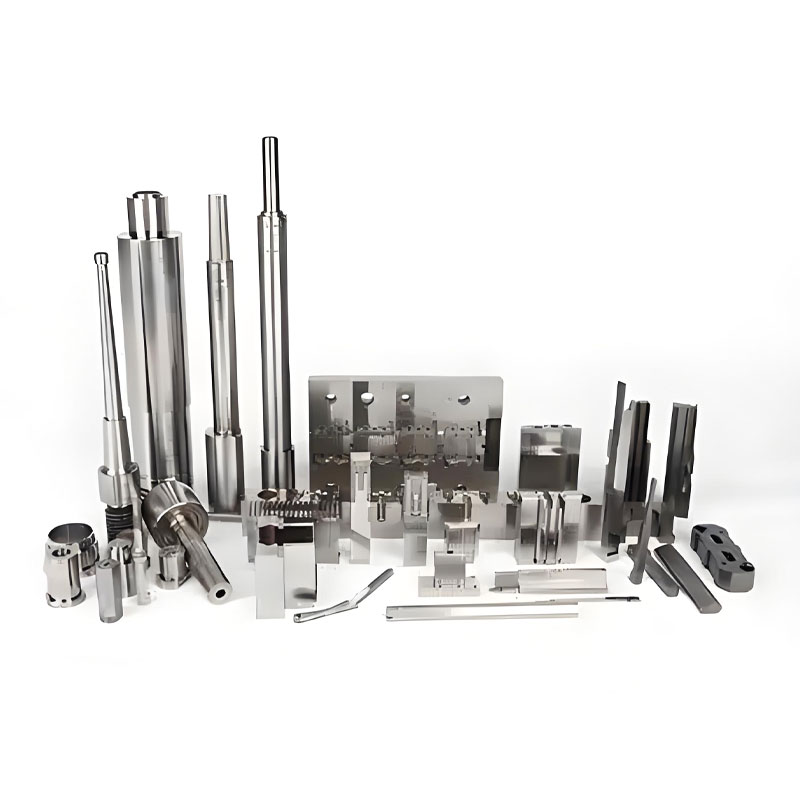
The mold must withstand repeated clamping forces, injection pressure, and thermal cycling. Appropriate mold base construction, cavity support, guide systems, and precision machining contribute to long-term dimensional stability.
Injection pressure, melt temperature, injection speed, holding pressure, and cooling time must match the selected polymer and insert characteristics. These parameters should be established through engineering analysis and molding trials rather than assumptions.
Material selection affects mold performance, product strength, thermal behavior, chemical resistance, and manufacturing cost. The appropriate polymer depends on the component's working environment and functional requirements.
Qiren's insert molding mold design capabilities cover a range of engineering plastics, including ABS, PC, PP, POM, PA6, PA66, PA66 + 30% GF, PTFE, PC + ABS, LCP, and POK.
| Plastic Material | Key Characteristics | Typical Considerations |
|---|---|---|
| ABS | Good impact resistance and processability | Suitable for general-purpose housings and structural components |
| PC | High impact strength and dimensional stability | Useful for demanding mechanical and electrical applications |
| PP | Lightweight and good chemical resistance | Requires consideration of shrinkage and insert retention |
| POM | Low friction and good dimensional performance | Suitable for precision mechanical components |
| PA6 / PA66 | Good mechanical strength and wear resistance | Moisture absorption and processing conditions require attention |
| PA66 + 30% GF | Improved stiffness and mechanical strength | Fiber orientation and shrinkage must be evaluated |
| LCP | Good dimensional stability and flow characteristics | Useful for precision electronic components |
| PC + ABS | Balanced toughness and processing performance | Suitable for selected electrical and industrial housings |
| PTFE | Excellent chemical resistance and low friction | Requires specialized processing and material compatibility assessment |
For insert materials, common options include stainless steel, copper alloys, brass, aluminum, and selected engineering plastics. Their thermal expansion coefficients, surface conditions, stiffness, and compatibility with the surrounding polymer should be evaluated during design.
Material selection should not be based on individual properties alone. The interaction between the insert and plastic determines whether the final component can meet its mechanical, electrical, thermal, and environmental requirements.
A well-designed mold structure supports accurate insert placement, stable injection, efficient cooling, and convenient maintenance. Several engineering considerations deserve particular attention.
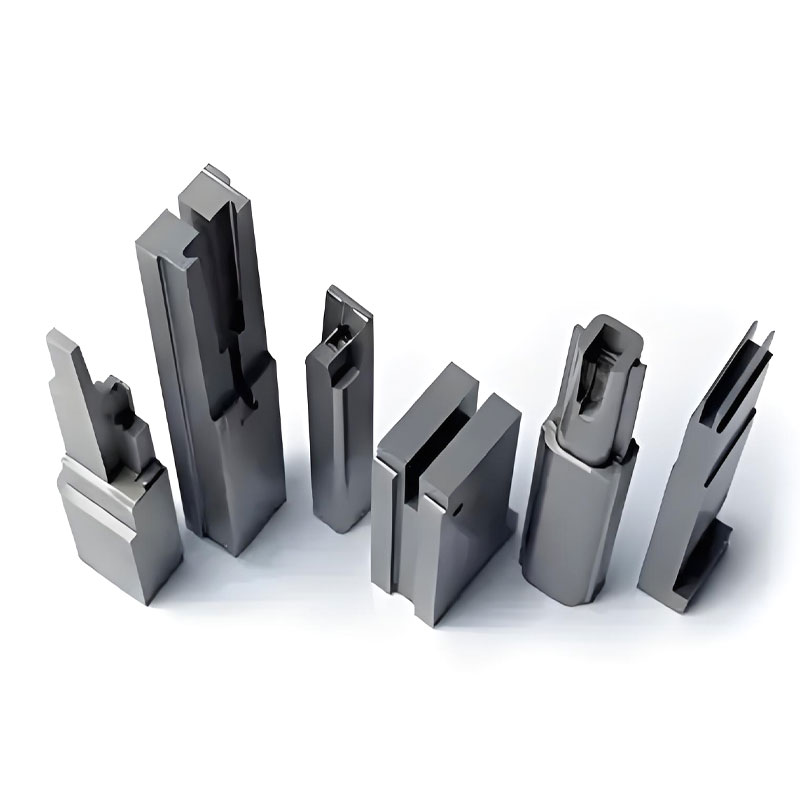
The cavity and core define the final product geometry and provide the necessary space for insert placement. Designers should account for insert dimensions, plastic wall thickness, shrinkage characteristics, draft angles, and demolding requirements.
Proper cavity design also prevents unnecessary stress concentrations around embedded components.
The gate and runner system controls how molten plastic enters the cavity. Its configuration should minimize pressure imbalance and ensure sufficient material reaches areas behind and around the insert.
Depending on product geometry and production requirements, engineers may consider side gates, direct gates, or other suitable feeding configurations.
Air trapped around inserts can result in incomplete filling, burn marks, or surface defects. Properly positioned vents allow trapped gases to escape while preventing excessive plastic leakage.
Cooling channels should distribute heat efficiently throughout the mold. Areas around metal inserts may experience different cooling behavior because metal and plastic have different thermal properties.
Balanced cooling helps reduce warpage, residual stress, and inconsistent cycle performance.
The ejection system must remove the molded component without damaging the insert or surrounding plastic. Ejector pins, sleeves, and other mechanisms should be positioned according to product geometry and structural strength.
For products with complex embedded structures, mold opening and ejection sequences may require additional engineering attention.
Insert molding involves multiple materials and manufacturing variables. Identifying potential defects during the design stage can reduce tooling modifications, production interruptions, and unnecessary costs.
| Common Challenge | Possible Cause | Recommended Design Solution |
|---|---|---|
| Insert displacement | Insufficient fixation or excessive injection force | Optimize locating structures and insert support |
| Incomplete filling | Unsuitable gate location or insufficient flow capacity | Improve runner, gate, and cavity design |
| Air traps | Inadequate venting around inserts | Optimize vent locations and air escape paths |
| Flash formation | Insufficient mold sealing or excessive pressure | Improve parting surfaces and mold fitting accuracy |
| Product warpage | Uneven cooling or material shrinkage | Optimize cooling channels and wall thickness |
| Weak insert retention | Insufficient mechanical interlocking or unsuitable interface design | Review insert geometry and retention features |
One important consideration is that insert retention does not always depend on chemical bonding. In many applications, mechanical interlocking, undercuts, knurling, grooves, or other structural features provide the necessary holding force.
Engineers should therefore define measurable performance requirements, such as pull-out force, torque resistance, electrical continuity, or dimensional tolerances, according to the final application.
Insert molding is widely used in industries where different materials must function together in a compact and reliable component. Its ability to integrate structural and functional elements makes it particularly valuable for precision manufacturing.
Automotive components frequently incorporate metal inserts for fastening, reinforcement, and electrical connections. Examples include sensor housings, connector components, terminal structures, and selected interior parts.
Insert molding supports the production of electrical connectors, terminal housings, insulating components, and precision electronic assemblies. Proper insert positioning is essential for maintaining connection accuracy and electrical reliability.
Industrial applications may require plastic components with embedded threaded inserts, metal supports, or wear-resistant elements. These integrated structures can simplify assembly and reduce the number of separate components.
Selected medical and laboratory equipment components use insert molding to combine plastic housings with precision metal elements. Material selection, dimensional control, and application-specific cleanliness requirements must be considered carefully.
Across these industries, the final mold design should be developed around the product's actual operating conditions rather than relying on a universal tooling configuration.
Consistent product quality begins with engineering verification and continues throughout mold manufacturing, testing, and production. A comprehensive quality management approach helps reduce defects and improve tooling reliability.
Before starting mass production, manufacturers should establish clear acceptance criteria for insert position, retention strength, dimensional tolerances, surface appearance, and functional performance.
At Qiren, an experienced design, development, and processing team supports customized precision plastic mold projects. Its focus on insert positioning, plastic flow optimization, and robust mold structures helps customers develop tooling solutions for different engineering materials and industrial requirements.
For additional information about related manufacturing capabilities, explore Qiren's precision injection molding solutions and Insert Molding Mold Design.
The main purpose is to create a mold that accurately positions metal or non-metal inserts and allows molten plastic to surround them during injection molding. Effective design improves structural integration, product consistency, and manufacturing efficiency.
Common plastic materials include ABS, PC, PP, POM, PA6, PA66, PA66 + 30% GF, PTFE, PC + ABS, LCP, and POK. Insert materials may include stainless steel, copper, brass, aluminum, and selected non-metal components. Final selection depends on mechanical, thermal, chemical, and electrical requirements.
Accurate insert positioning and reliable fixation are among the most critical factors. However, successful production also depends on plastic flow, mold strength, venting, cooling, and suitable processing parameters.
Insert displacement can be reduced through properly designed locating pins, support structures, positioning fixtures, and balanced injection conditions. Mold flow analysis and trial molding can further help identify potential movement risks.
Yes. Insert molding can support high-volume production when the mold structure, insert loading method, cooling system, and process parameters are appropriately designed. Automated insert feeding may also be considered when production volume and component geometry justify it.
Buyers should ideally provide 3D product drawings, 2D dimensional drawings, insert specifications, plastic material requirements, expected production volume, and application details. Information about critical tolerances and functional testing requirements is also valuable for accurate mold evaluation.
An experienced supplier can evaluate insert positioning, material compatibility, mold structure, and manufacturing feasibility before tooling production. This engineering support helps reduce design risks, avoid unnecessary modifications, and establish a more reliable production process.
Successful Insert Molding Mold Design requires more than combining a plastic cavity with an embedded component. It involves coordinated engineering decisions covering insert fixation, material compatibility, plastic flow, cooling, mold structure, and production quality control. Every detail can influence the performance, durability, and dimensional accuracy of the finished component.
For manufacturers developing precision automotive, electronic, industrial, or customized plastic components, choosing a capable mold engineering partner is an important step toward achieving stable and cost-effective production. With more than 15 years of experience, expertise in multiple engineering plastics, and exports to over 20 countries, Qiren provides OEM precision plastic mold solutions tailored to different industrial requirements. Whether you need a new insert molding project, customized tooling development, or professional support for an existing design, Qiren is ready to help turn your product concept into a manufacturable solution. Visit our Insert Molding Mold Design product page to learn more and contact us today to discuss your drawings, technical requirements, and customized mold project.