
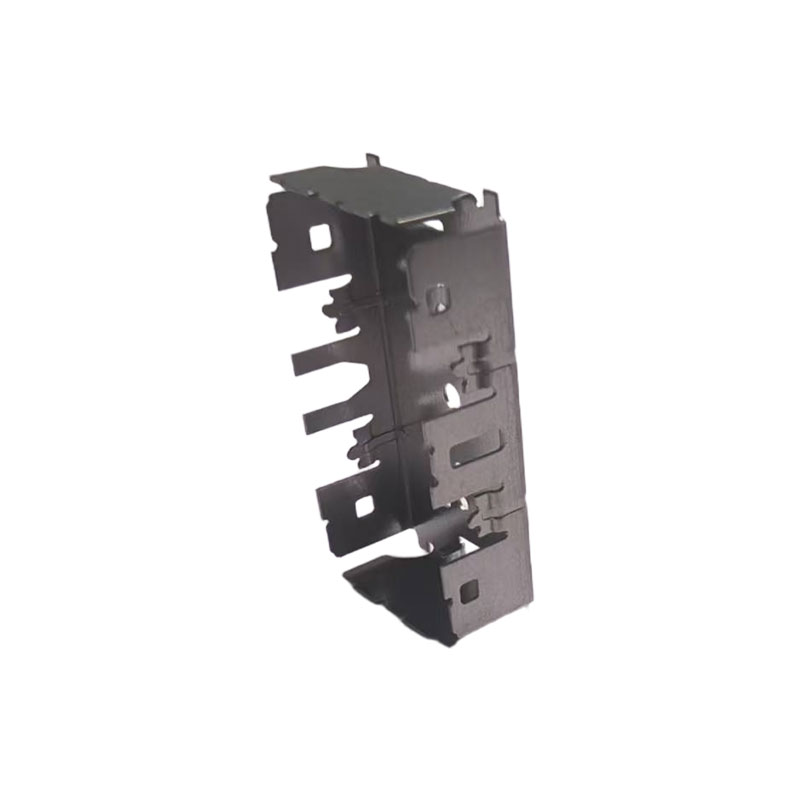
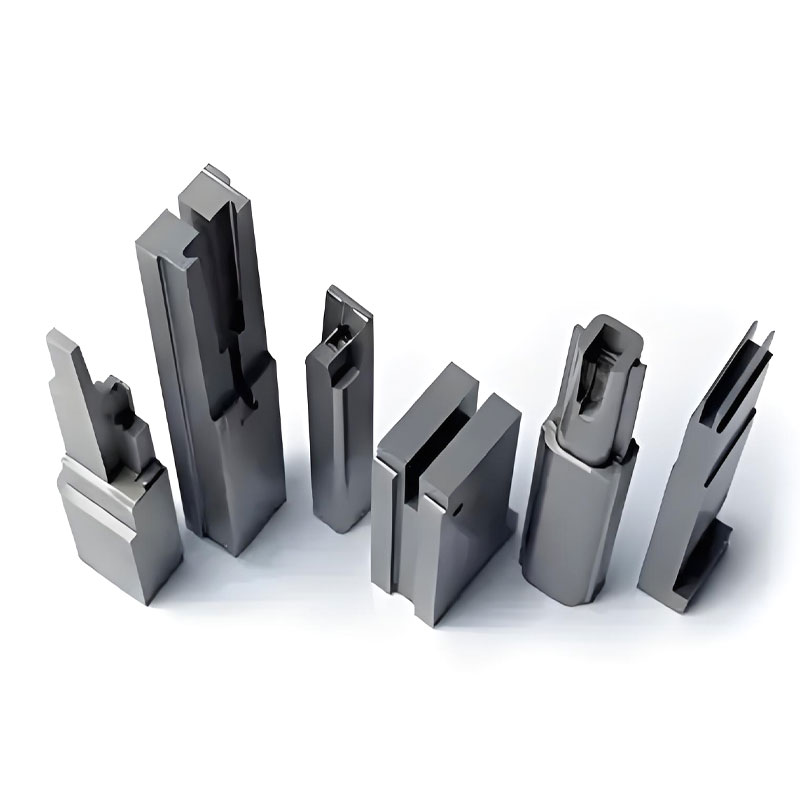
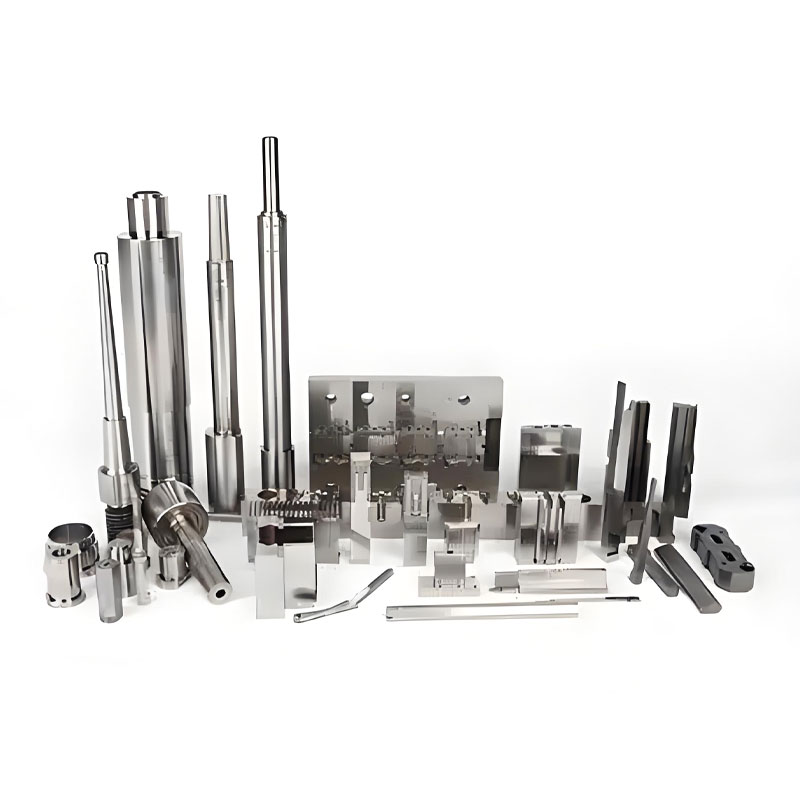
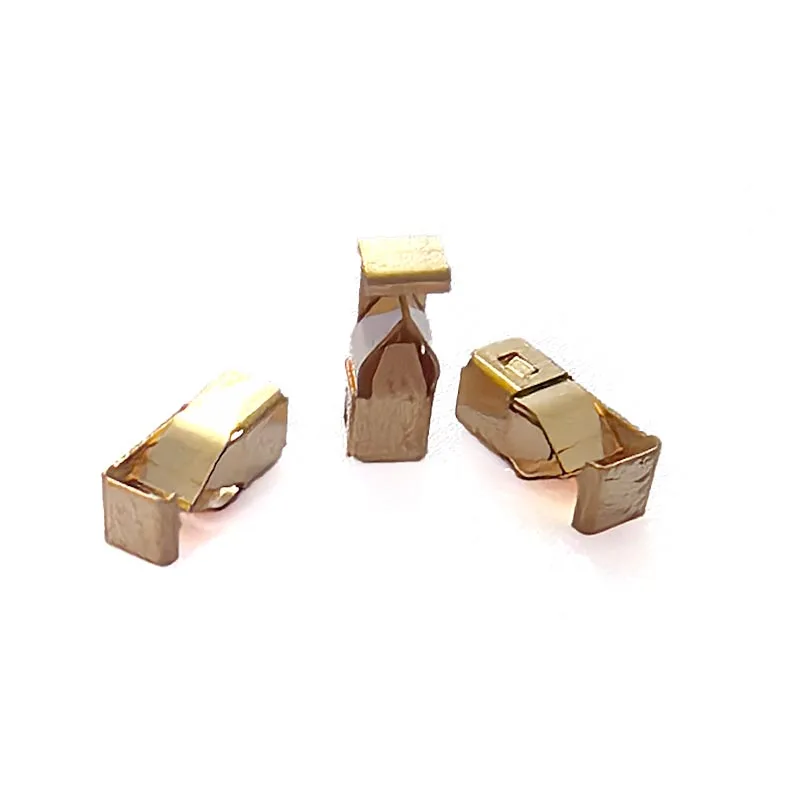
Automobile Precision Stamping Parts are essential for producing reliable automotive components with consistent dimensions, repeatable performance, and efficient mass production. As an experienced manufacturer, Qiren combines precision stamping technology, advanced CNC and high-speed stamping equipment, customized die development, and strict quality control to support demanding automotive applications.
Automotive manufacturers increasingly require metal components that combine dimensional accuracy, structural strength, repeatability, and cost efficiency. Precision stamping provides an effective production method for brackets, terminals, structural components, battery-related parts, housings, and other automotive hardware. This article explains how automobile precision stamping works, which materials and stamping processes are commonly used, what quality factors buyers should evaluate, and how an experienced stamping partner can support prototype development through mass production.
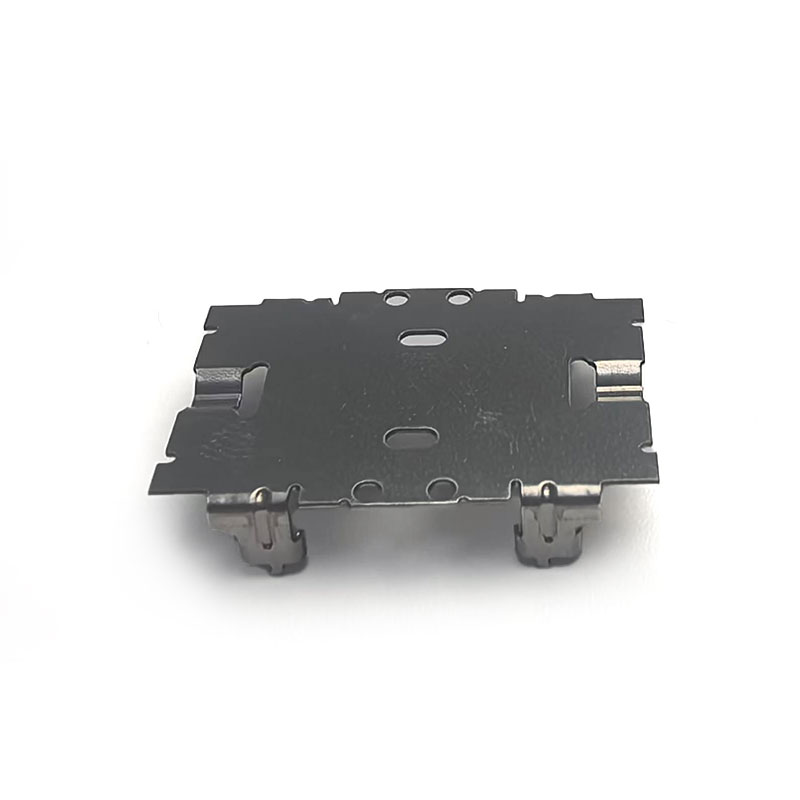
Table of Contents
1. Why Are Precision Stamping Parts Important in Automotive Manufacturing?
2. How Are Automobile Precision Stamping Parts Manufactured?
3. What Materials Are Commonly Used?
4. Where Are Precision Stamped Automotive Parts Used?
5. What Quality Factors Should Buyers Evaluate?
6. Key Benefits of Precision Stamping for Automotive Production
7. Why Consider Qiren for Customized Stamping Solutions?
Why Are Precision Stamping Parts Important in Automotive Manufacturing?
Automotive components often need to fit precisely within assemblies containing multiple mechanical, electrical, and structural parts. Even a small dimensional deviation can affect assembly alignment, electrical contact, fastening performance, or long-term reliability. For this reason, precision metal forming is particularly valuable when manufacturers need high-volume production with repeatable geometry.
Automobile Precision Stamping Parts are manufactured through controlled forming operations that transform sheet metal or strip material into specified shapes. Depending on the component design, stamping can integrate punching, bending, drawing, shearing, riveting, and other forming operations.
According to Qiren's product information, its automotive stamping solutions can achieve accuracy down to approximately ±0.008 mm, while its engineering capabilities include progressive dies, compound dies, drawing dies, punching and shearing dies, and compression dies. Explore Qiren's automotive precision stamping capabilities for additional product information.
How Are Automobile Precision Stamping Parts Manufactured?
A reliable stamping project begins long before the first production run. Tooling design, material selection, tolerances, forming sequence, and inspection requirements all influence the final component.
1. Engineering and Die Design
The process starts with engineering analysis based on 2D drawings, 3D CAD files, material specifications, dimensional tolerances, and expected production volumes. Engineers determine whether progressive, compound, deep-drawing, or other tooling configurations are suitable.
2. Material Preparation
Metal coils or sheets are prepared according to the required thickness, mechanical properties, surface requirements, and production specifications. Consistent incoming material is important because variations in hardness or thickness can influence forming behavior.
3. Precision Stamping
High-speed stamping equipment applies controlled force to form the material through a carefully designed die. Multiple operations can be integrated into a progressive production sequence, improving productivity while maintaining dimensional consistency.
4. Secondary Operations
Depending on the product, additional operations such as bending, riveting, trimming, deburring, surface treatment, or assembly may be required.
5. Inspection and Delivery
Finished components should be checked against engineering specifications before shipment. Dimensional inspection, appearance checks, functional verification, and process monitoring help identify deviations before products enter the customer's assembly line.
What Materials Are Commonly Used?
Automotive stamping applications require materials selected according to strength, conductivity, corrosion resistance, formability, weight, and application environment. Common options include stainless steel, aluminum alloys, copper, and other engineered metal materials.
| Material | Typical Characteristics | Potential Automotive Applications |
|---|---|---|
| Stainless Steel | Strength, corrosion resistance, durability | Brackets, structural hardware, protective components |
| Aluminum Alloy | Low weight, good formability, corrosion resistance | Lightweight structures, housings, battery-related components |
| Copper | Excellent electrical and thermal conductivity | Electrical terminals, conductive components, connectors |
| High-Strength Steel | High mechanical strength and structural performance | Reinforcement and safety-related structural components |
The appropriate material should always be selected according to the actual component specification rather than simply choosing the lowest-cost option.
Where Are Precision Stamped Automotive Parts Used?
Precision stamping can support a wide range of automotive assemblies because the process can produce both relatively simple components and highly detailed parts requiring tight dimensional control.
- Electrical and electronic systems: terminals, conductive contacts, connector components, and sensor-related hardware.
- Body and structural systems: brackets, reinforcement components, mounting hardware, and formed structural parts.
- Powertrain systems: precision brackets, shields, clips, and specialized metal components.
- New energy vehicles: battery-related hardware, electrical components, housings, and high-voltage system components.
- Interior and exterior assemblies: mounting components, fastening parts, support pieces, and functional hardware.
As automotive platforms become more electrified, compact, and electronically integrated, stamping suppliers must be able to handle tighter tolerances and increasingly complex geometries.
What Quality Factors Should Buyers Evaluate?
Choosing a stamping supplier should involve more than comparing unit prices. Automotive components are often produced in large quantities, so tooling stability and process consistency can have a major impact on the total cost of ownership.
Dimensional Accuracy
Ask the supplier to clearly define achievable tolerances for critical dimensions. The required tolerance should be based on the function and assembly requirements of the component.
Tooling Capability
Advanced stamping dies directly influence repeatability, cycle efficiency, material utilization, and component quality. Progressive and compound dies can be particularly useful for high-volume production.
Production Consistency
A good production process should maintain stable performance across the entire batch rather than producing only a few accurate samples.
Inspection Capability
Quality inspection should cover critical dimensions, surface condition, burrs, deformation, and other customer-defined specifications.
Engineering Support
Experienced engineers can identify potential forming problems during the design stage and recommend changes that improve manufacturability and reduce unnecessary production costs.
Key Benefits of Precision Stamping for Automotive Production
When properly engineered, precision stamping provides several practical benefits for automotive manufacturers:
- High repeatability: Controlled tooling enables large quantities of components to maintain consistent geometry.
- Efficient mass production: Automated stamping lines can support high-volume manufacturing requirements.
- Material efficiency: Proper die layout and strip design can help reduce material waste.
- Complex forming capability: Multiple operations can be integrated into progressive or compound tooling.
- Reduced assembly variation: Consistent component dimensions can support smoother downstream assembly.
- Flexible customization: Tooling can be designed around specific component dimensions, materials, and production requirements.
For automotive buyers, the most valuable result is not simply a precise individual component but a stable manufacturing process capable of delivering consistent parts throughout the production lifecycle.
Why Consider Qiren for Customized Stamping Solutions?
Qiren has more than 15 years of experience in precision mold and stamping-related manufacturing. Its production capabilities include CNC punching, high-speed stamping equipment, automated production lines, EDM processing, and customized die development.
The company reports automotive stamping accuracy of up to ±0.008 mm and supports different tooling structures, including progressive dies, compound dies, stretching dies, punching and shearing dies, and compression dies. Its broader manufacturing facility includes CNC, EDM, wire-cutting, and CMM inspection capabilities.
For international automotive buyers, an integrated supplier can simplify communication between product engineering, tooling development, sampling, production, inspection, and delivery. This can be especially useful for projects involving customized components or demanding dimensional requirements.
Qiren also provides stamping solutions for materials including stainless steel, aluminum alloy, and copper, making its capabilities suitable for both structural and electrical automotive applications. Buyers can review the company's metal stamping solutions to understand its broader processing capabilities.
Frequently Asked Questions
What are Automobile Precision Stamping Parts?
They are metal components manufactured through controlled stamping and forming processes for automotive applications. They can include brackets, terminals, connectors, structural parts, housings, and other customized components.
What accuracy can precision automotive stamping achieve?
Accuracy depends on the material, geometry, tooling, equipment, and required inspection method. Qiren's published automotive stamping information states an accuracy of up to approximately ±0.008 mm for its precision stamping solutions.
Which materials can be used for automotive stamping?
Common materials include stainless steel, aluminum alloys, copper, and various grades of steel. The appropriate choice depends on mechanical strength, conductivity, corrosion resistance, weight, forming characteristics, and the intended application.
What information should I provide when requesting a stamping quotation?
Useful information includes a 2D drawing or 3D CAD model, material specification, material thickness, dimensional tolerances, annual or monthly quantity, surface requirements, application details, and any special inspection standards.
Can customized stamping dies be developed for new automotive components?
Yes. Customized tooling can be designed according to the component structure, material, production volume, tolerance requirements, and forming sequence. Progressive, compound, drawing, punching, and other die configurations may be considered according to the project.
Conclusion
High-quality Automobile Precision Stamping Parts depend on more than advanced stamping equipment. Stable tooling, appropriate material selection, accurate engineering, controlled forming processes, and systematic inspection all contribute to reliable automotive component production. For projects requiring customized dimensions, tight tolerances, or scalable mass production, Qiren can provide integrated mold and stamping support from engineering development to finished-part delivery. If you are planning a new automotive component project or looking for a reliable precision stamping manufacturing partner, contact us with your drawings, material requirements, tolerances, and production volume to discuss a suitable stamping solution.