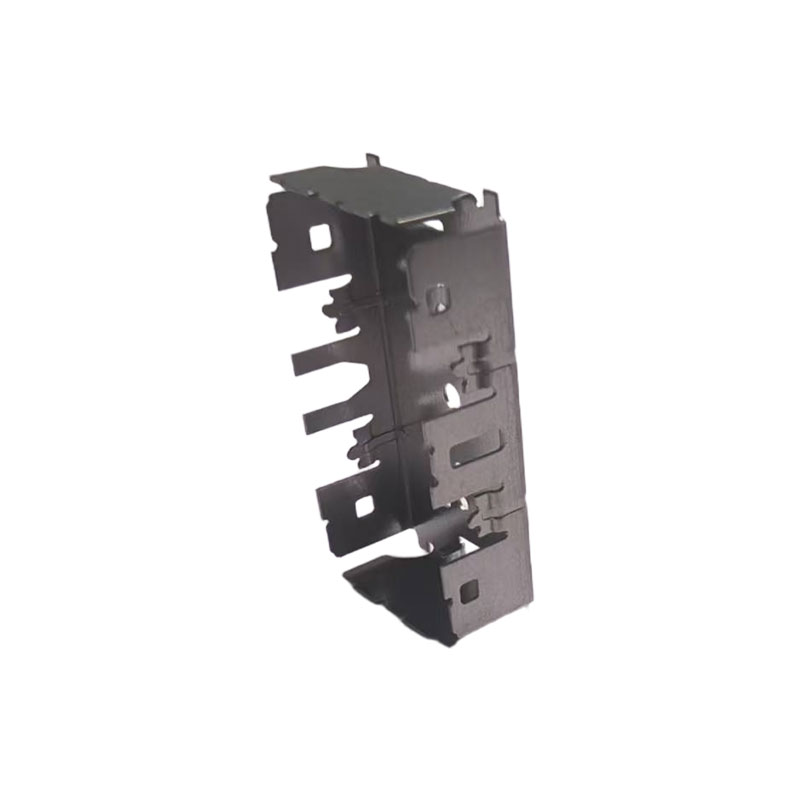
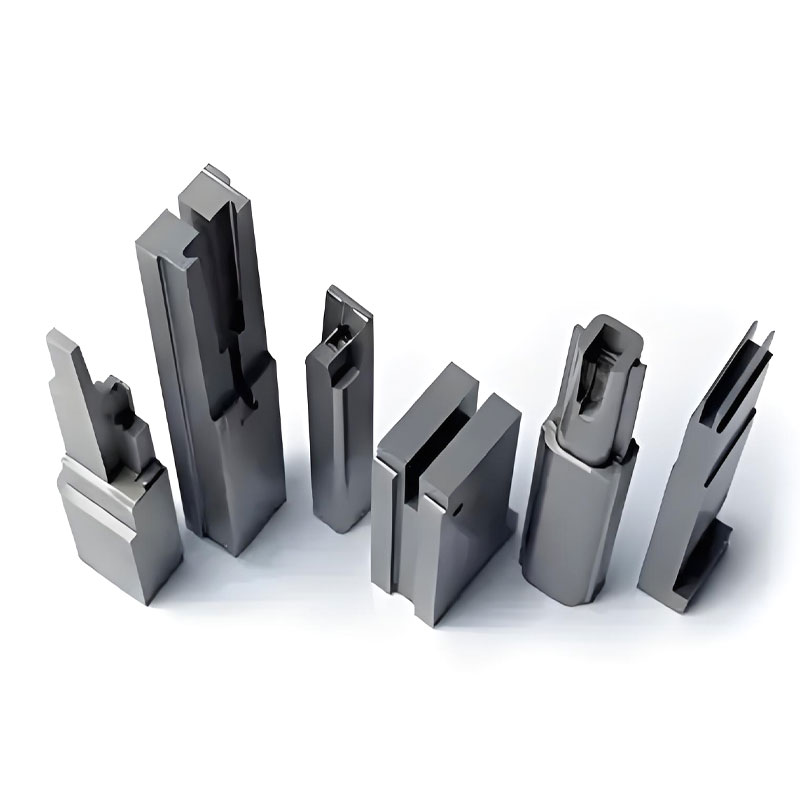
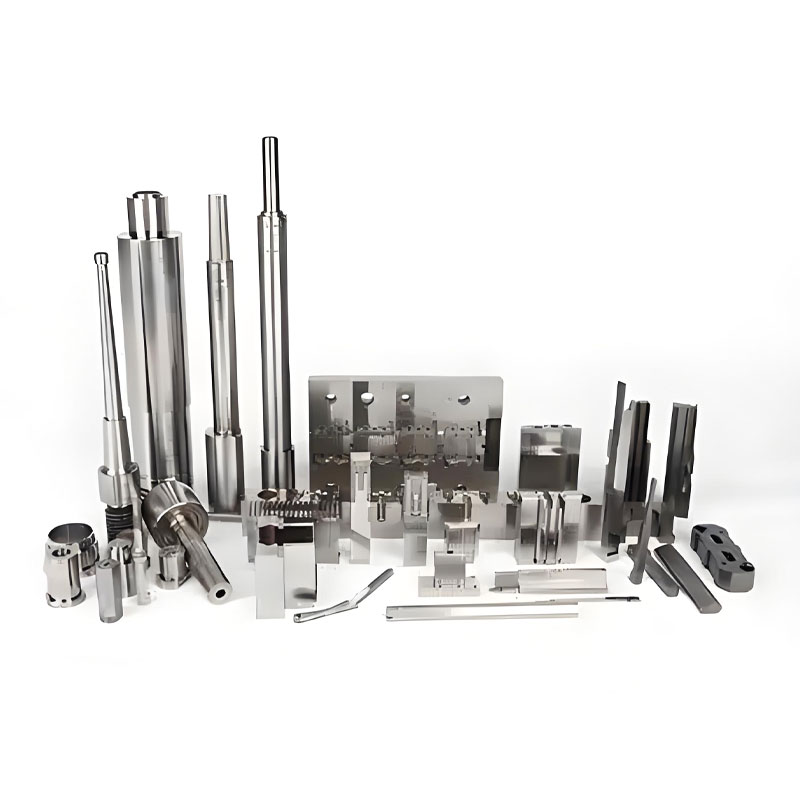
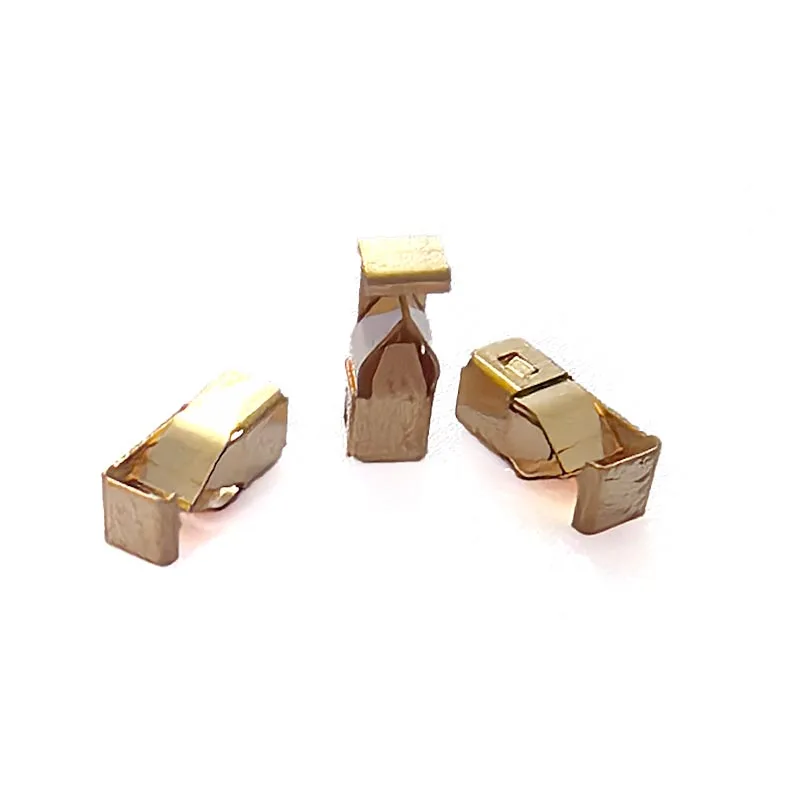
Article Summary: Connector injection molding is a critical manufacturing process for producing precise, durable plastic housings and insulating components used in electronic connectors. From material selection and mold engineering to dimensional inspection and production consistency, every stage influences connector performance. Qiren specializes in precision connector molding solutions, offering customized tooling, precision machining, and manufacturing support for applications in automotive electronics, home appliances, industrial equipment, and other electronic products. Understanding the process helps product designers and purchasing teams make informed decisions about quality, cost, and long-term production reliability.
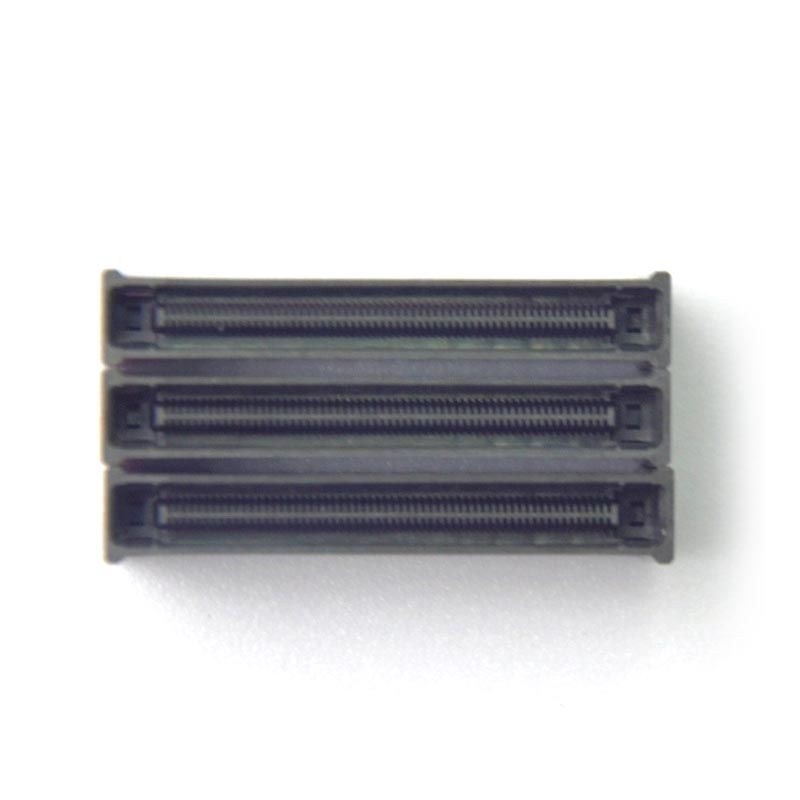
Connector injection molding is a manufacturing process in which molten thermoplastic material is injected into a precision-engineered mold cavity, cooled, and ejected to create a finished component. It is widely used to manufacture plastic housings, terminal supports, insulating structures, protective shells, and other parts required for electrical and electronic connectors.
Unlike many general-purpose plastic components, connector parts frequently contain small openings, thin walls, intricate locking features, and closely spaced terminal positions. These features must work together with metal contacts and mating components. Even a small dimensional deviation can affect assembly, insertion force, terminal alignment, or electrical connection reliability.
For this reason, successful connector molding depends on coordinated material engineering, mold design, machine settings, and inspection procedures. Qiren provides precision connector injection molding solutions for customers seeking customized plastic components and tooling for demanding applications.
Typical applications include:
Precision is fundamental to connector performance because the molded housing establishes the position and support of the conductive contacts. Its dimensions influence how components fit together, how terminals remain secured, and how the connector performs during repeated use.
Several factors make precision connector molding more demanding than many conventional plastic molding applications.
Terminal pitch, cavity dimensions, locking structures, and mating surfaces must conform to the approved engineering drawings. Tolerances should be established according to the functional requirements of each component rather than applying an unnecessarily tight tolerance to every feature.
The plastic housing must provide suitable insulation for the intended operating environment. Material selection, wall thickness, creepage distance, clearance, and the presence of voids or contamination may affect electrical safety. Requirements should be evaluated against the applicable product standards and operating conditions.
Connector housings may experience insertion forces, vibration, temperature changes, and repeated mating cycles. The molded component must retain its shape and support the terminals without cracking, excessive deformation, or loss of retention.
A successful prototype is only the starting point. Manufacturers must maintain repeatable dimensions and functional performance across production batches, mold cavities, and material lots. Stable processing reduces avoidable scrap, rework, and assembly interruptions.
Material selection affects moldability, shrinkage, heat resistance, insulation performance, mechanical strength, moisture sensitivity, and final component cost. The best resin depends on the connector's design and operating environment.
| Material | Key Characteristics | Potential Applications | Selection Considerations |
|---|---|---|---|
| PBT | Good dimensional stability and electrical insulation | Electrical housings and appliance connectors | Evaluate heat exposure, shrinkage, and moisture conditions. |
| PA (Nylon) | Good mechanical strength and toughness | Automotive and industrial connectors | Consider moisture absorption and its effect on dimensions. |
| LCP | Low warpage potential and suitability for fine-pitch designs | Compact electronic and high-density connectors | Requires careful control of material flow and molding conditions. |
| PPS | High-temperature capability and chemical resistance | Specialized electrical and industrial applications | Assess processing requirements, cost, and mechanical design. |
| Glass-Fiber-Reinforced Resin | Improved stiffness and reduced directional shrinkage in suitable formulations | Structural connector housings | Fiber orientation can influence warpage and dimensional accuracy. |
These materials are not interchangeable. Engineers should review the resin grade, operating temperature, flame-retardancy requirements, dielectric properties, chemical exposure, and applicable regulatory requirements before finalizing a specification.
For additional guidance, explore Qiren's connector injection molding solutions and related precision mold manufacturing capabilities.
A reliable connector injection molding project follows a structured workflow. The sequence may vary depending on component geometry, insert requirements, production volume, and inspection criteria, but the essential stages remain similar.
For connectors containing metal terminals, insert positioning and retention require particular attention. Automated insert loading or assembly may be appropriate for higher-volume programs, provided the equipment can consistently maintain component alignment.
Design decisions made before tooling begins can prevent costly modifications later. A design-for-manufacturability review should consider how the component will fill, cool, eject, assemble, and function in its final application.
Where practical, relatively uniform wall thickness helps promote consistent filling and cooling. Abrupt thickness transitions can contribute to sink marks, internal stress, or warpage. Ribs and bosses should be designed to provide the required strength without creating unnecessarily thick sections.
Gate placement affects filling patterns, weld-line locations, packing, and surface appearance. In connector housings, the gate should be positioned with consideration for critical mating surfaces, terminal pockets, and mechanically stressed areas.
Appropriate draft angles and well-designed ejection systems help release molded parts without damaging delicate features. The required draft depends on the resin, surface texture, part geometry, and dimensional requirements.
For insert-molded connectors, metal terminals must remain in the specified positions throughout injection and cooling. Mold support, insert-loading accuracy, resin flow, and thermal expansion all influence the final relationship between the plastic housing and metal components.
Useful design practices include:
Quality control for connector injection molding should address both the appearance of the molded component and its functional performance. A part can look acceptable while still having terminal misalignment, dimensional drift, or insufficient mechanical retention.
A practical inspection plan may include the following controls:
Common defects and their potential causes include:
| Defect | Possible Cause | Corrective Approach |
|---|---|---|
| Flash | Parting-line gaps, excessive pressure, or mold wear | Inspect tooling condition and optimize processing settings. |
| Short Shots | Insufficient filling, restricted flow, or inadequate venting | Review gate design, venting, and filling parameters. |
| Warpage | Uneven cooling, material orientation, or differential shrinkage | Improve cooling balance and review geometry and material selection. |
| Sink Marks | Thick sections or insufficient packing and cooling | Optimize wall geometry and packing conditions. |
| Terminal Misalignment | Insert movement, tooling variation, or inconsistent loading | Improve insert location, support, and dimensional verification. |
Acceptance limits and testing frequency should be defined by the product specification, customer requirements, and risk level. For safety-critical or high-reliability applications, additional validation may be necessary.
Not every connector requires the same tooling investment or inspection strategy. The following comparison illustrates how application requirements influence the manufacturing approach.
| Requirement | Standard Connector | Precision Connector |
|---|---|---|
| Geometry | Relatively straightforward features | Fine-pitch cavities and complex details |
| Tolerance Strategy | Based on general assembly requirements | Critical features receive tighter, function-based limits |
| Tooling | Conventional mold configuration where suitable | More demanding cavity, cooling, venting, and alignment control |
| Inspection | Visual and dimensional checks | Detailed metrology and additional functional verification |
| Process Risk | Primarily related to filling and general dimensions | May include terminal position, mating fit, warpage, and retention |
The distinction is not simply a matter of product size. A small connector may require highly sophisticated tooling if it contains closely spaced terminals or must maintain precise alignment with a circuit board. Engineering requirements should determine the process rather than assumptions based on appearance alone.
Choosing a supplier means evaluating its ability to turn engineering requirements into repeatable production results. A competitive quotation matters, but tooling quality, process stability, communication, and technical support also affect the total cost of ownership.
When evaluating a connector injection molding manufacturer, consider the following questions:
Qiren Electronics focuses on precision plastic connector molds and customized injection molding solutions. According to its product information, the company highlights a nominal tolerance capability of ±0.01 mm, a reported yield rate of up to 99.2%, German mold steel, mold-flow analysis, and MES-integrated workshop management. These figures should be confirmed against the specific part geometry, material, measurement method, and production conditions during project evaluation.
Qiren also describes support for mold optimization and upgrades during the first year of mold use. Buyers can discuss these capabilities alongside the requirements for their own connector designs rather than relying on general specifications alone.
For related manufacturing information, visit the Connector Injection Molding product page or explore Qiren's precision mold and component manufacturing website.
It is used to manufacture plastic connector housings, insulating bodies, terminal supports, protective shells, and other components that require accurate geometry and repeatable production. Typical applications include automotive electronics, household appliances, industrial automation, and consumer electronic devices.
There is no single best material for every connector. PBT and nylon are common choices for many electrical and mechanical applications, while LCP and PPS may suit designs with demanding dimensional or thermal requirements. Final selection depends on the connector's operating environment, electrical specifications, mechanical loads, and cost targets.
Achievable tolerances depend on part geometry, resin behavior, mold construction, process stability, and measurement methods. Qiren lists a nominal tolerance capability of ±0.01 mm for its precision molding offering. Buyers should confirm whether this tolerance is feasible for each critical feature of their specific design.
Common causes include unsuitable material handling, poor venting, incorrect processing parameters, uneven cooling, mold wear, and inaccurate insert positioning. A structured design review, controlled process window, and risk-based inspection plan can help identify and reduce these issues.
Yes. Insert molding can encapsulate or support metal terminals within a plastic connector housing. The process requires appropriate insert positioning, mold support, material compatibility, and verification of terminal alignment and retention.
Yes. Injection molding is well suited to repeatable, high-volume production when tooling, cycle conditions, material handling, and inspection are properly controlled. Multi-cavity molds and suitable automation can improve output, although their suitability depends on product complexity and demand.
Provide the 2D engineering drawing, 3D CAD file, intended resin or material requirements, critical tolerances, annual demand, expected service environment, and any functional or regulatory specifications. Also clarify whether you need mold manufacturing, molded parts, insert molding, or a combined solution.
Connector injection molding combines precision tooling, appropriate material selection, controlled processing, and application-specific quality verification. Each decision affects how accurately a connector fits, how reliably it supports electrical contacts, and how consistently it can be manufactured over time. By identifying critical dimensions early and establishing clear inspection requirements, product developers can reduce avoidable defects and make more informed sourcing decisions.
Qiren offers precision connector mold manufacturing and customized molding solutions for electronic, automotive, appliance, and industrial applications. If you are developing a new connector or improving an existing production process, contact us to discuss your drawings, material requirements, tooling specifications, and production targets. Work with Qiren to evaluate a practical manufacturing solution aligned with your project's precision, quality, and delivery needs.