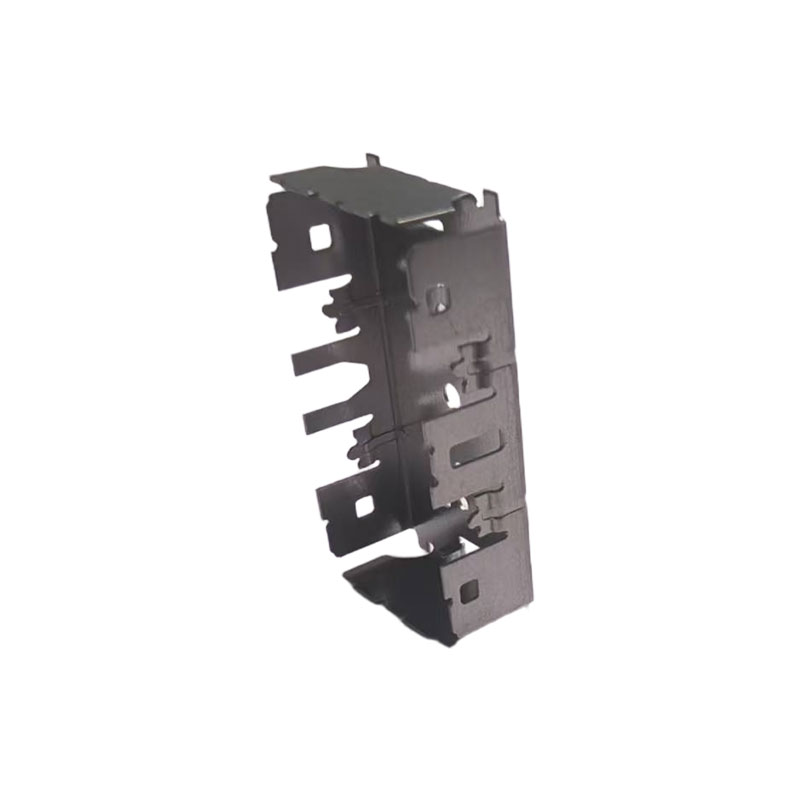
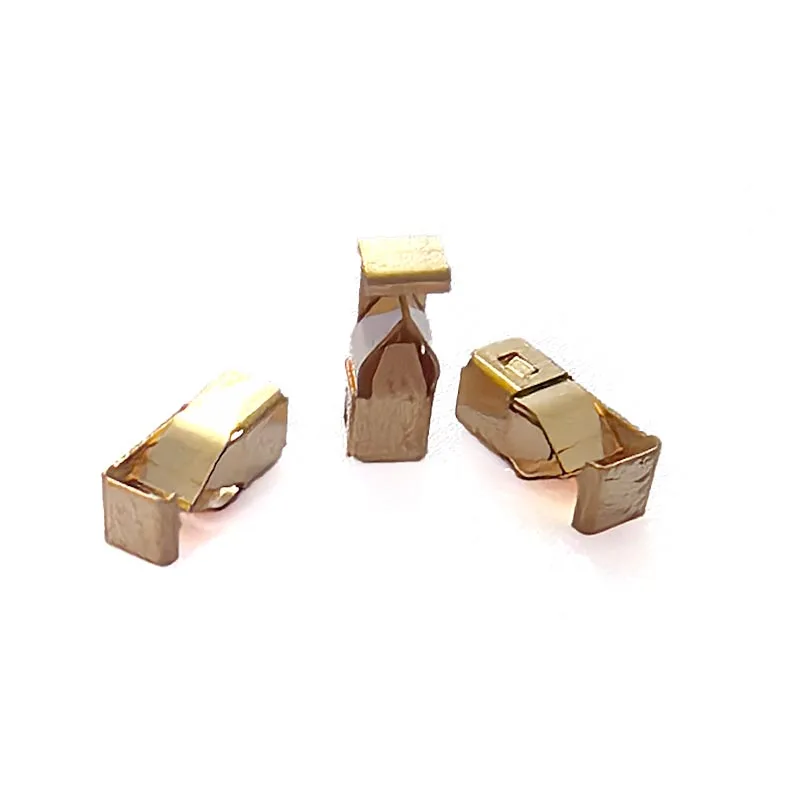
In today's competitive manufacturing environment, achieving consistent product quality while controlling production costs is essential. Qiren, a professional manufacturer with 15 years of experience in precision hardware stamping, provides advanced Precision Metal Stamping Parts designed to meet demanding industrial requirements. With advanced CNC punching machines, high-speed stamping equipment, automated production lines, and independent mold development capabilities, Qiren delivers customized metal components with processing accuracy of up to ±0.01mm for customers across automotive, electronics, home appliance, and medical equipment industries.
Precision metal stamping is a highly efficient manufacturing process used to produce accurate, durable, and consistent metal components from sheet metal materials. By combining advanced stamping equipment, specialized mold technology, and strict production management, manufacturers can achieve complex geometries, tight dimensional tolerances, and reliable mass production.

1. What Are Precision Metal Stamping Parts?
2. How Does the Precision Metal Stamping Process Work?
3. Key Technologies Behind High-Precision Metal Stamping
4. Common Materials and Industrial Applications
5. How to Ensure the Quality of Precision Metal Stamping Parts
6. Why Choose a Professional Metal Stamping Manufacturer?
7. How to Select the Right Metal Stamping Supplier
Precision Metal Stamping Parts are metal components manufactured by applying controlled mechanical force to sheet metal through specialized stamping dies. The process transforms flat metal sheets or strips into functional components with specific dimensions, shapes, holes, bends, and surface features.
Unlike conventional metal fabrication methods, precision stamping uses carefully engineered dies and controlled production parameters to achieve consistent results across large production volumes. It is particularly suitable for products requiring dimensional accuracy, repeatability, and efficient manufacturing.
Depending on product requirements, precision stamping operations may include:
These processes make precision stamping an important manufacturing solution for components that must fit accurately into larger mechanical, electrical, and electronic assemblies.
Manufacturing high-quality stamped components requires more than simply pressing metal into a mold. Every stage, from engineering design to final inspection, influences dimensional accuracy, mechanical performance, and production consistency.
The process begins with reviewing customer drawings, 2D specifications, 3D models, material requirements, and application conditions. Engineers evaluate component geometry, thickness, tolerances, forming characteristics, and production feasibility.
Early engineering evaluation helps identify potential manufacturing challenges, including material deformation, springback, cracking, and unnecessary processing steps.
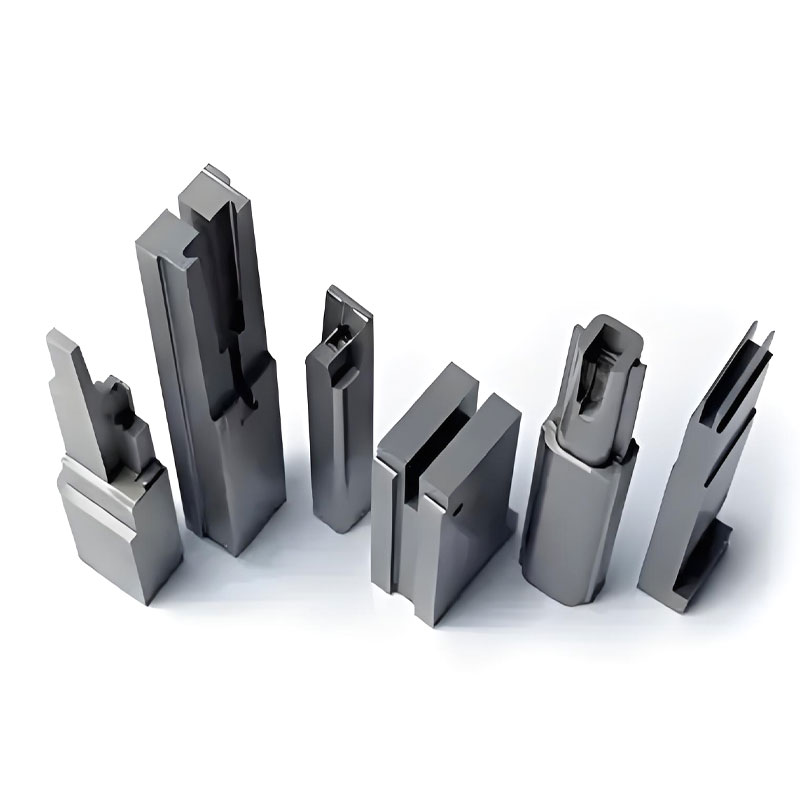
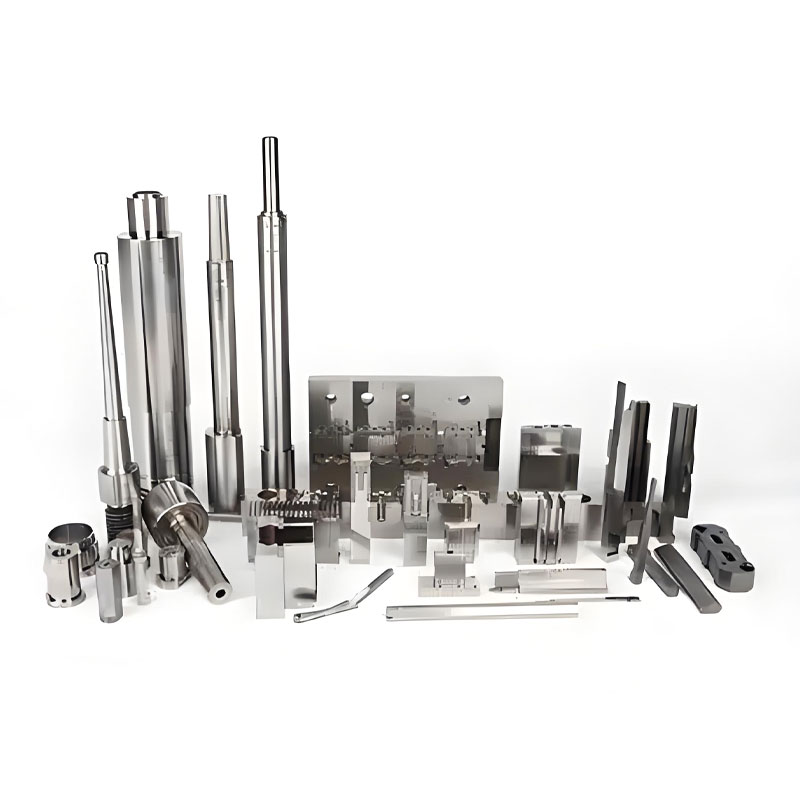
Stamping dies determine the shape, dimensions, and repeatability of the finished component. Depending on the product structure and production requirements, manufacturers may develop progressive dies, compound dies, stretching dies, punching and shearing dies, or compression dies.
Qiren operates an independent mold research and development center to support customized tooling solutions. Its mold development capabilities help optimize production processes and improve manufacturing efficiency.
After tooling preparation, suitable sheet metal materials are selected and prepared for production. The material is positioned and fed into the stamping equipment, where controlled pressure forms or cuts it according to the die design.
High-speed stamping equipment and automated production lines help maintain stable processing conditions and support efficient manufacturing for both standard and customized components.
Depending on functional and appearance requirements, stamped components may undergo additional operations such as deburring, cleaning, surface treatment, or dimensional correction.
These operations help improve edge quality, corrosion resistance, assembly compatibility, and overall product performance.
Finished components are checked against engineering specifications. Dimensional measurements, visual inspections, and other applicable verification procedures help identify manufacturing deviations before products proceed to delivery.
Manufacturing accuracy depends on the combined performance of equipment, tooling, engineering expertise, and production management. Several technologies are particularly important when producing Precision Metal Stamping Parts for demanding applications.
CNC punching machines provide programmable processing capabilities for metal components with complex hole patterns, contours, and dimensional requirements. Their controlled positioning and processing parameters help improve repeatability and reduce manual intervention.
High-speed stamping equipment supports efficient production of components required in large quantities. When combined with properly engineered tooling, it helps manufacturers maintain consistent output while reducing processing time per component.
Progressive dies perform multiple manufacturing operations at different stations as metal material moves through the die. This approach is especially useful for producing small and medium-sized precision components in high volumes.
Properly designed progressive tooling can provide several benefits:
Manufacturing Execution Systems (MES) help connect production activities with operational data. Qiren uses an intelligent MES management system to monitor production information in real time and support process traceability.
By maintaining visibility into production activities, manufacturers can improve process management, identify potential inconsistencies, and maintain more stable product quality throughout manufacturing.
Material selection directly affects stamping performance, finished component strength, dimensional stability, corrosion resistance, and service life. The appropriate material depends on the intended application, mechanical loading, operating environment, and product design.
| Material | Main Characteristics | Typical Applications |
|---|---|---|
| Stainless Steel | Corrosion resistance, strength, and durability | Medical equipment, electronic components, industrial hardware |
| Carbon Steel | Good mechanical strength and cost efficiency | Automotive parts, structural components, mechanical assemblies |
| Copper | Excellent electrical and thermal conductivity | Electrical terminals, connectors, conductive components |
| Aluminum | Lightweight, corrosion resistant, and easy to form | Electronic housings, automotive components, appliance parts |
| Brass | Good conductivity, machinability, and corrosion resistance | Electrical contacts, connector components, precision hardware |
Material specifications should always be confirmed according to the engineering drawing and actual working conditions. Thickness, temper, mechanical properties, and surface condition can significantly influence the final stamping result.
Precision stamping technology supports a wide range of industrial manufacturing sectors.
For application-specific solutions, manufacturers should evaluate material compatibility, dimensional tolerances, surface requirements, and production volume before finalizing the stamping process.
Quality control is essential because even small dimensional deviations can affect component fit, assembly efficiency, and final product functionality. A reliable manufacturing process should combine engineering verification, tooling control, production monitoring, and finished-product inspection.
Dimensional accuracy is one of the most important performance indicators for precision-stamped components. Qiren's product manufacturing capabilities include processing accuracy of up to ±0.01mm, subject to the specific component design, material, and production conditions.
For critical dimensions, manufacturers should establish clear inspection requirements and select appropriate measuring equipment according to the specified tolerances.
Tooling quality has a direct influence on component consistency and manufacturing costs. Poorly designed dies may cause burrs, dimensional deviations, deformation, and frequent production interruptions.
Qiren's website specifies that its customized precision molds can achieve a service life exceeding five million stamping cycles. Actual tooling life depends on material properties, die design, maintenance, operating conditions, and production parameters.
Intelligent production management helps manufacturers maintain visibility throughout the manufacturing process. MES-based monitoring supports production data management and process traceability, making it easier to review manufacturing conditions and investigate quality issues.
A comprehensive quality management approach reduces avoidable production risks and supports stable component performance across repeated manufacturing batches.
Selecting an experienced manufacturer is an important decision for businesses seeking reliable Precision Metal Stamping Parts. Beyond the quoted unit price, buyers should consider engineering support, tooling capabilities, equipment investment, production management, and long-term supply reliability.
Different products require different stamping structures and tooling configurations. A manufacturer with independent mold development capabilities can evaluate drawings, optimize die structures, and develop tooling according to individual project requirements.
Automated production equipment and high-speed stamping processes help reduce repetitive manual operations. For projects involving consistent demand and suitable component geometries, these technologies can improve throughput and production planning.
Although precision tooling requires an initial investment, well-designed molds and stable production processes can reduce scrap, minimize repeated adjustments, and improve long-term unit cost efficiency.
Combining equipment control, mold engineering, production monitoring, and inspection procedures helps manufacturers maintain consistent component specifications across different production batches.
Dongguan Qiren Electronics Co., Ltd. has 15 years of experience in precision hardware stamping and provides customized metal stamping solutions for global customers.
| Manufacturing Capability | Qiren's Available Information | Customer Value |
|---|---|---|
| Industry Experience | 15 years of experience | Established manufacturing expertise |
| Processing Accuracy | Up to ±0.01mm | Support for demanding dimensional requirements |
| Mold Development | Independent mold R&D center | Customized tooling solutions |
| Mold Service Life | More than 5 million cycles | Potentially lower long-term tooling costs |
| Production Equipment | CNC punching machines, high-speed stamping equipment, automated production lines | Efficient and consistent production |
| Production Management | Intelligent MES system | Production monitoring and process traceability |
These capabilities position Qiren as a manufacturing partner for businesses looking for customized metal stamping components with demanding technical requirements.
Choosing the right supplier requires a systematic evaluation of manufacturing capabilities and project requirements. A competitive quotation alone does not guarantee successful production or long-term product reliability.
Before selecting a Precision Metal Stamping Parts manufacturer, consider the following factors:
To help a manufacturer evaluate your project accurately, prepare the following information whenever possible:
Providing complete technical information allows the supplier to assess tooling feasibility, production methods, and cost factors more effectively.
Precision metal stamping places greater emphasis on dimensional accuracy, tooling quality, process consistency, and inspection requirements. It is particularly suitable for components with tight tolerances, complex geometries, or demanding assembly requirements. Conventional stamping may be more appropriate for less demanding components where dimensional specifications are relatively flexible.
Common materials include stainless steel, carbon steel, copper, aluminum, and brass. The final selection depends on mechanical strength, conductivity, corrosion resistance, formability, component thickness, and application conditions. Material specifications should be confirmed during the engineering evaluation stage.
Achievable accuracy depends on material characteristics, component geometry, die design, equipment performance, and production conditions. Qiren's published product information indicates processing accuracy of up to ±0.01mm. Buyers should provide detailed drawings so that critical tolerances can be evaluated for each specific project.
Common tooling options include progressive dies, compound dies, stretching dies, punching and shearing dies, and compression dies. Each type serves different manufacturing requirements. Progressive dies are often suitable for high-volume production, while other die structures may be more appropriate for specific component geometries and forming operations.
Yes. Custom manufacturing is widely used when standard components cannot satisfy specific dimensional, structural, or functional requirements. Customers can provide engineering drawings, CAD files, material specifications, and application details. Qiren offers customized mold development and metal stamping solutions based on project requirements.
Manufacturing costs can be optimized through appropriate material selection, efficient die design, production automation, reduced scrap rates, and suitable batch quantities. Progressive stamping and well-maintained tooling can also improve production efficiency and reduce unit costs in appropriate applications.
Major application industries include automotive manufacturing, electronics, home appliances, medical equipment, and industrial machinery. These industries use stamped components for connectors, terminals, brackets, mounting parts, structural hardware, and other functional assemblies.
It is recommended to provide product drawings, material specifications, sheet thickness, dimensional tolerances, surface treatment requirements, and estimated order quantities. Additional information about the intended application and delivery expectations will also help Qiren evaluate the project and recommend an appropriate manufacturing solution.
Precision Metal Stamping Parts play an essential role in modern industrial manufacturing by providing accurate, repeatable, and cost-effective metal components for a wide range of applications. Successful production depends on the integration of suitable materials, advanced stamping equipment, precision mold engineering, controlled manufacturing processes, and effective quality management.
For businesses seeking a dependable manufacturing partner, Qiren combines 15 years of industry experience, independent mold research and development, advanced stamping equipment, processing accuracy of up to ±0.01mm, and intelligent MES production management. These capabilities support customized stamping projects for automotive, electronics, home appliances, medical equipment, and other industrial applications.
Whether you need customized stamping terminals, complex hardware components, precision electronic parts, or high-volume metal stamping solutions, working with an experienced manufacturer can help improve product consistency and optimize manufacturing costs. Explore Qiren's Precision Metal Stamping Parts to learn more about its manufacturing capabilities. Contact Qiren today to discuss your technical requirements, request a customized quotation, and discover how professional precision stamping solutions can support your next manufacturing project. Please contact us to start your inquiry and receive dedicated project support.