Article Summary: Precision metal stamping parts play a vital role in modern manufacturing, delivering repeatable dimensions, reliable performance, and efficient production for demanding applications. Qiren specializes in custom metal stamping solutions, combining precision tooling, advanced stamping equipment, and production process monitoring to meet diverse industrial requirements. This guide explains stamping processes, material selection, dimensional tolerances, quality control, applications, and practical considerations for choosing a reliable manufacturing partner.
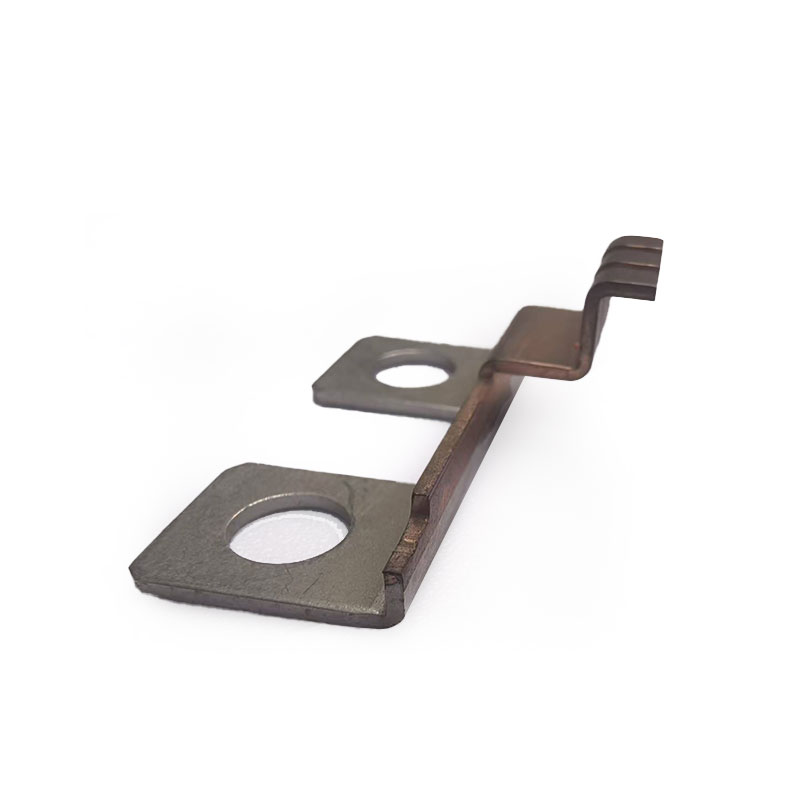
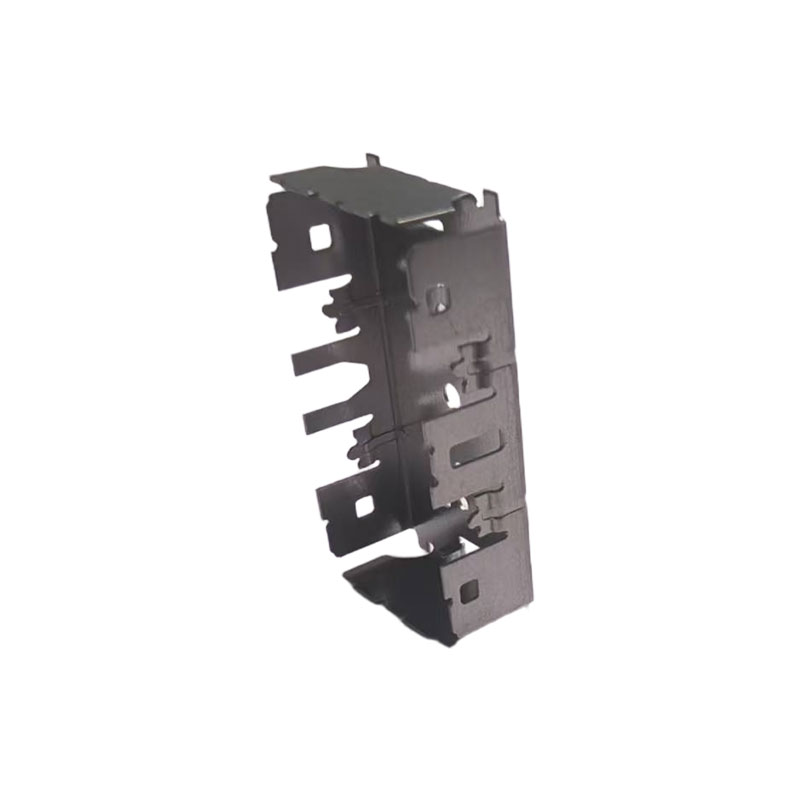
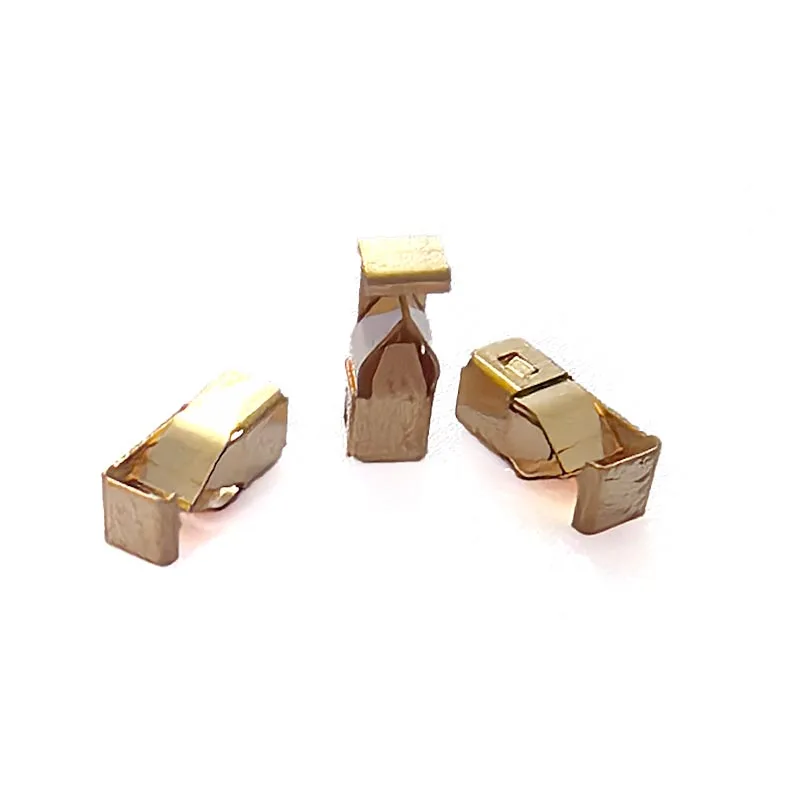
Precision metal stamping parts are components manufactured by applying controlled force to sheet metal or metal strip through specially designed dies. The process can create accurate holes, bends, contours, terminals, brackets, housings, and other functional features with consistent repeatability.
Unlike general-purpose stamping, precision stamping places particular emphasis on dimensional accuracy, feature positioning, edge quality, flatness, and consistency between production batches. These characteristics are essential when components must fit tightly with other parts or perform reliably in electrical, mechanical, and structural assemblies.
Qiren provides customized precision metal stamping parts for industrial customers, using dedicated tooling and advanced production equipment to support demanding component requirements. Its published product information specifies processing accuracy of up to ±0.01 mm, depending on the component and production conditions.
Common examples include:
The best manufacturing approach depends on the component geometry, material properties, annual demand, and inspection requirements. Defining these factors early helps prevent costly design changes after tooling has been produced.
Precision stamping combines engineering design, die manufacturing, material preparation, forming, and inspection. Each stage contributes to the accuracy and repeatability of the finished component.
The process begins with a review of the 2D engineering drawing and 3D CAD model. Engineers assess material thickness, hole positions, bend radii, critical dimensions, edge conditions, and assembly requirements. A design-for-manufacturing review can identify features that may increase tooling complexity or cause deformation during forming.
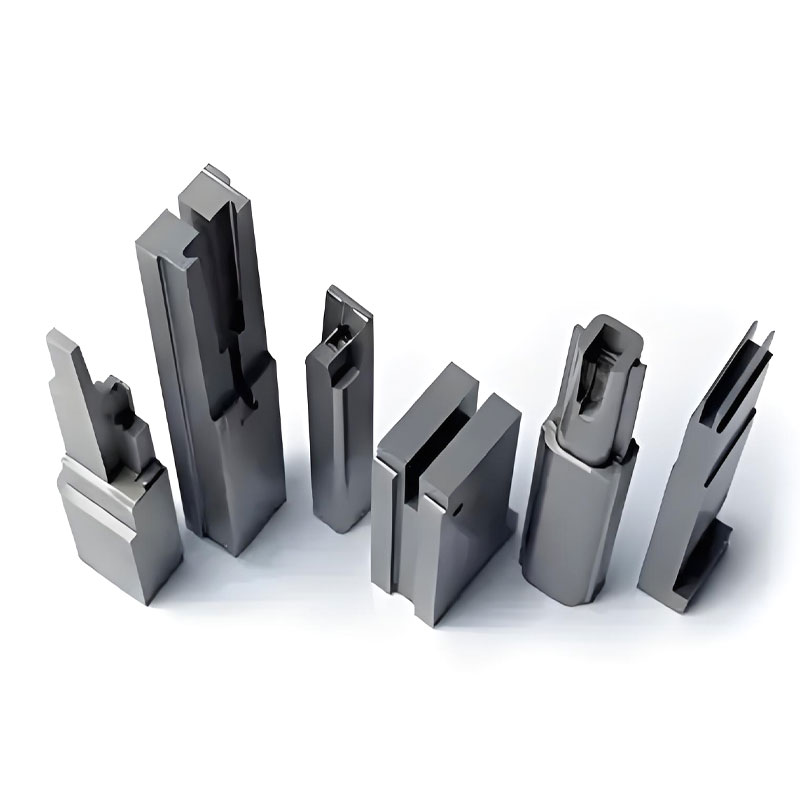
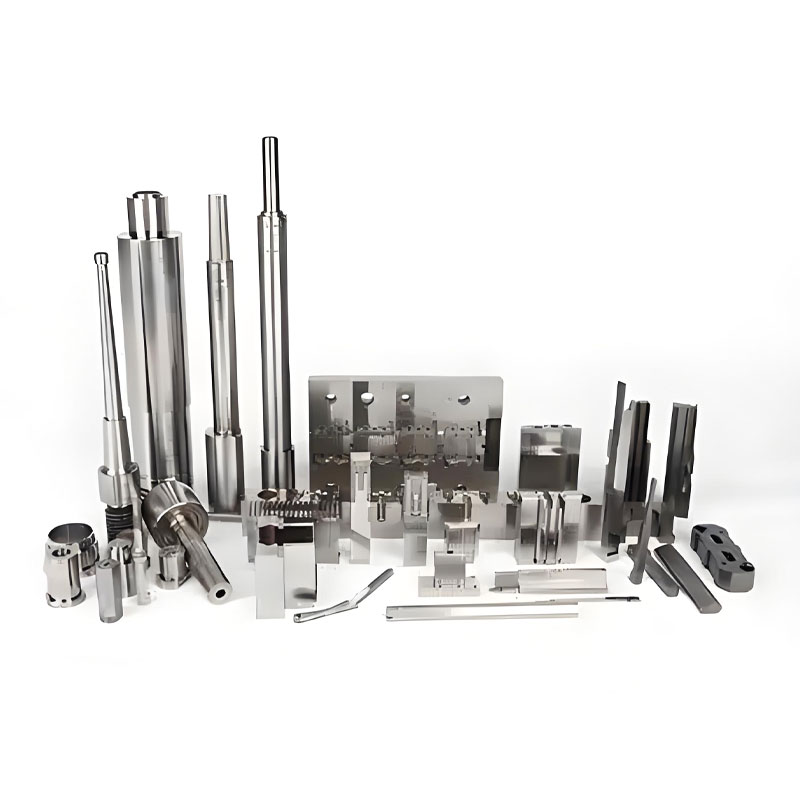
The die determines how the material is cut, bent, formed, or drawn. Depending on the component, manufacturers may use progressive dies, compound dies, or dedicated forming tools. CNC machining, wire electrical discharge machining (EDM), and other precision tooling methods help produce the required die geometry.
Qiren offers customized tooling solutions, including progressive, compound, drawing, punching, shearing, and compression dies. Selecting the appropriate tooling structure helps balance part complexity, production speed, and long-term manufacturing costs.
Sheet metal or coil stock is fed into the stamping press. The press applies controlled force through the die to produce the specified features. Automated feeding and production monitoring can improve process stability, particularly for small parts manufactured in large quantities.
Depending on the application, stamped parts may require deburring, cleaning, heat treatment, plating, coating, or additional forming. These operations should be selected according to corrosion resistance, electrical conductivity, surface appearance, and assembly requirements.
Finished parts are checked against the approved drawings and quality specifications. Dimensional measurement, visual inspection, burr checks, and functional testing may be used to verify conformity. Production monitoring systems such as MES can support process records and batch traceability.
Material selection affects strength, conductivity, corrosion resistance, formability, springback, and total manufacturing cost. The right choice should reflect both the part's operating environment and the demands of the stamping process.
| Material | Key Characteristics | Typical Applications |
|---|---|---|
| Stainless Steel | Corrosion resistance and mechanical strength | Clips, brackets, housings, and durable hardware |
| Brass | Good electrical conductivity and formability | Electrical contacts, terminals, and connectors |
| Phosphor Bronze | Spring properties and electrical performance | Contact springs, connector terminals, and precision contacts |
| Beryllium Copper | High strength, fatigue resistance, and conductivity | Specialized electrical contacts and spring components |
| Cold-Rolled Steel | Consistent thickness, strength, and economical processing | Mounting plates, brackets, and structural hardware |
| Aluminum | Low weight and corrosion resistance | Lightweight housings, covers, and formed components |
These are general material-selection guidelines rather than universal specifications. Actual performance depends on the alloy grade, temper, thickness, forming geometry, and surface treatment.
For additional manufacturing options, explore Qiren's metal stamping solutions and connector metal stamping products.
When the component design and production volume are suitable, precision metal stamping offers several important advantages over less specialized manufacturing approaches.
Dedicated tooling controls critical features across repeated production cycles. This repeatability is particularly valuable for components with closely spaced holes, narrow profiles, or specific assembly interfaces.
Progressive dies can perform multiple operations as material moves through successive stations. Once the tooling and process have been validated, automated stamping can produce large quantities with limited manual handling.
Although precision tooling requires an initial investment, the cost can be distributed across a large production run. Efficient material nesting, optimized strip layouts, and reduced secondary processing can further improve cost performance.
Different die configurations support punching, bending, drawing, and combined forming operations. This flexibility allows manufacturers to produce components tailored to specific installation spaces and functional requirements.
Standardized setup procedures, in-process inspections, tooling maintenance, and production data monitoring help identify deviations before they affect large quantities of finished parts.
However, these benefits depend on proper engineering. Poor die design, unsuitable material selection, excessive forming loads, or inadequate maintenance can lead to burrs, dimensional drift, cracks, and unexpected production costs.
Precision stamping quality should be defined through measurable requirements rather than a general expectation that parts will be accurate. The drawing should identify critical dimensions, geometric relationships, surface conditions, and functional acceptance criteria.
A tolerance specifies the acceptable variation around a nominal dimension. For example, a dimension of 10.00 ±0.01 mm permits a range from 9.99 mm to 10.01 mm.
Qiren publishes a processing accuracy of up to ±0.01 mm for its precision metal stamping parts. This figure should be treated as a stated capability, not an automatic guarantee for every dimension or component. Feasibility must be confirmed against the part drawing, material thickness, geometry, tooling design, and inspection method.
For critical applications, buyers should also clarify inspection frequency, sampling plans, measurement equipment, certificate requirements, and the response process for nonconforming parts. Statistical process control and capability studies may be appropriate when supported by sufficient production data.
Not every precision component requires the same die structure. The best process depends on geometry, required operations, production volume, and tooling investment.
| Process | How It Works | Best-Suited Projects | Main Consideration |
|---|---|---|---|
| Progressive Die Stamping | Multiple operations occur at successive stations as the strip advances. | High-volume terminals, clips, and complex small components | Higher initial tooling complexity |
| Compound Die Stamping | Multiple cutting operations occur in one press stroke. | Flat parts requiring closely related cutting features | Part geometry and operation sequence affect feasibility |
| Deep Drawing | A punch forms sheet metal into a deeper three-dimensional shape. | Cups, shells, and selected enclosures | Material ductility and draw geometry are critical |
| Simple or Single-Operation Stamping | A dedicated tool performs one primary operation per stroke. | Simple parts, lower-volume projects, and selected secondary operations | Additional handling may increase cycle time |
For example, a high-volume connector terminal with repeated holes, bends, and contact features may benefit from progressive die stamping. A flat washer-like component may be better suited to a compound die, depending on its dimensional requirements and production volume.
Tooling selection should therefore follow a technical review rather than a one-size-fits-all rule. A well-designed process balances precision, cycle time, material utilization, maintenance requirements, and overall cost.
Selecting the right supplier is essential for controlling product quality, development risk, and long-term supply costs. Buyers should evaluate engineering capabilities alongside equipment and quoted unit prices.
Confirm whether the manufacturer can design and maintain the required die, process the selected material, and manufacture the part geometry. Ask for relevant examples of comparable components and clarify which tolerances can be consistently achieved.
A reliable supplier should explain its first-article approval, in-process inspection, final inspection, nonconformance handling, and traceability procedures. Automated production management can improve visibility, but the actual controls and records matter more than the system name alone.
Do not evaluate quotations solely on price per piece. Consider tooling charges, sampling, secondary operations, packaging, freight, expected scrap, tooling maintenance, and the cost of potential production interruptions.
Clear technical communication helps resolve drawing ambiguities before they become production problems. A manufacturer should be able to discuss material alternatives, manufacturability, critical dimensions, and practical ways to improve production efficiency.
Qiren's published capabilities include custom die development, precision stamping equipment, automated production lines, and MES-based production monitoring. These capabilities can be assessed against a buyer's specific project requirements during the quotation and engineering review process.
To receive a more accurate quotation for precision metal stamping parts, provide the following information:
A complete RFQ helps the manufacturer assess tooling feasibility, identify potential risks, and propose a solution that aligns with the intended application.
Tolerances depend on material, thickness, feature geometry, tooling condition, and measurement method. Qiren publishes accuracy of up to ±0.01 mm for its precision stamping products. Buyers should confirm the achievable tolerance for each critical feature during the design review.
Common choices include stainless steel, cold-rolled steel, aluminum, brass, phosphor bronze, and selected copper alloys. The best option depends on mechanical strength, conductivity, corrosion resistance, formability, and cost.
Yes. Stamping is particularly suitable for repeatable production of medium-to-high-volume components. Progressive dies and automated feeding can improve output efficiency after tooling and process parameters have been validated.
Progressive dies perform different operations at successive stations as the material advances through the tool. Compound dies perform multiple cutting operations in a single press stroke. The appropriate choice depends on component geometry, production volume, accuracy requirements, and tooling economics.
Cost can often be reduced by simplifying unnecessary features, selecting an appropriate material thickness, improving strip layout and material utilization, consolidating operations where practical, and matching the die design to forecast production volume. Changes must preserve the component's functional and quality requirements.
According to its published product information, Qiren offers customized stamping die development, including progressive, compound, drawing, punching, shearing, and compression dies. Customers should provide drawings and project specifications to confirm the tooling approach for their particular parts.
Prepare the engineering drawing, material specification, annual quantity, dimensional tolerances, surface treatment requirements, inspection criteria, and delivery schedule. A 3D CAD model is also useful for evaluating complex geometry and tooling feasibility.
Precision metal stamping parts support reliable assembly, consistent product performance, and efficient manufacturing across automotive, electronics, appliances, medical equipment, and industrial applications. Achieving these benefits requires more than a capable stamping press: material selection, die engineering, process control, dimensional inspection, and tooling maintenance must work together.
For manufacturers seeking custom metal components, Qiren offers precision stamping and die development capabilities designed to address different component geometries and production requirements. Reviewing technical specifications early can help establish realistic tolerances, optimize tooling investment, and reduce avoidable production risks.
Looking for a dependable supplier for your next stamping project? Visit Qiren's Precision Metal Stamping Parts page to learn more about its capabilities. Prepare your drawings, material requirements, and estimated order volume, then contact us to discuss your custom requirements, request a quotation, and identify a practical manufacturing solution for your application.