
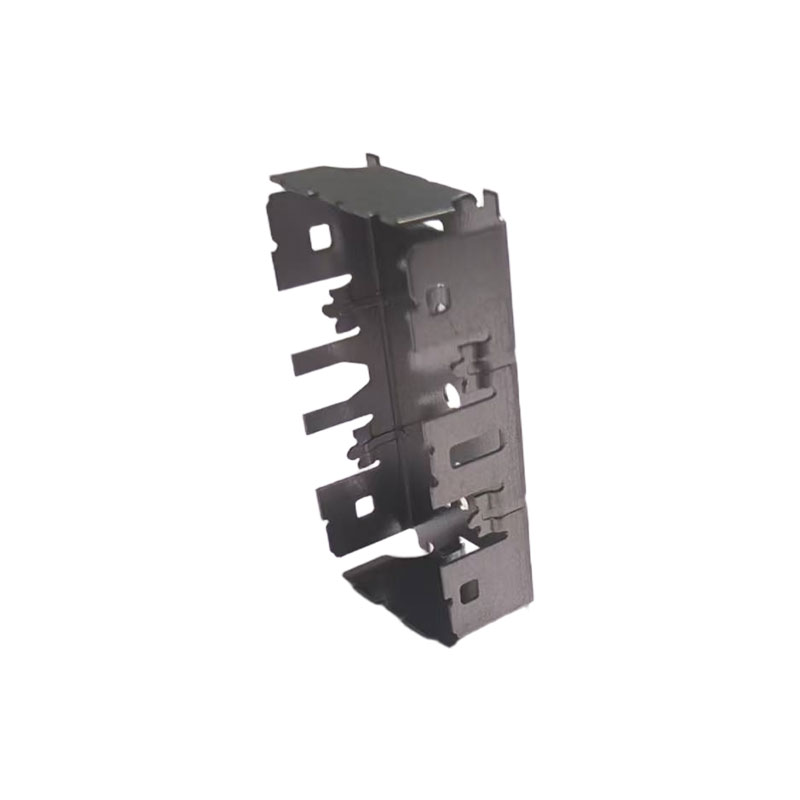
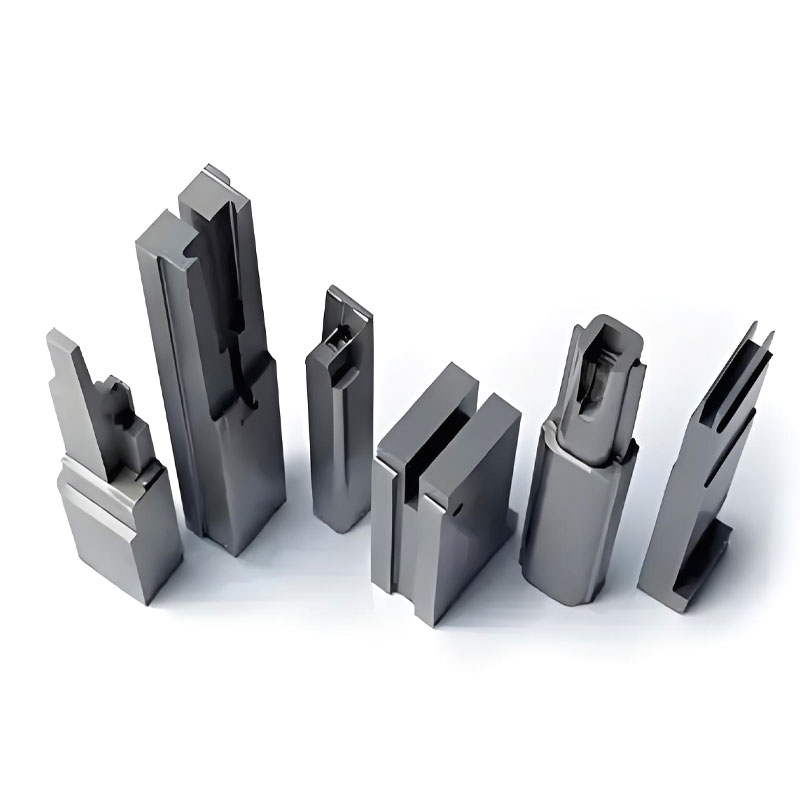
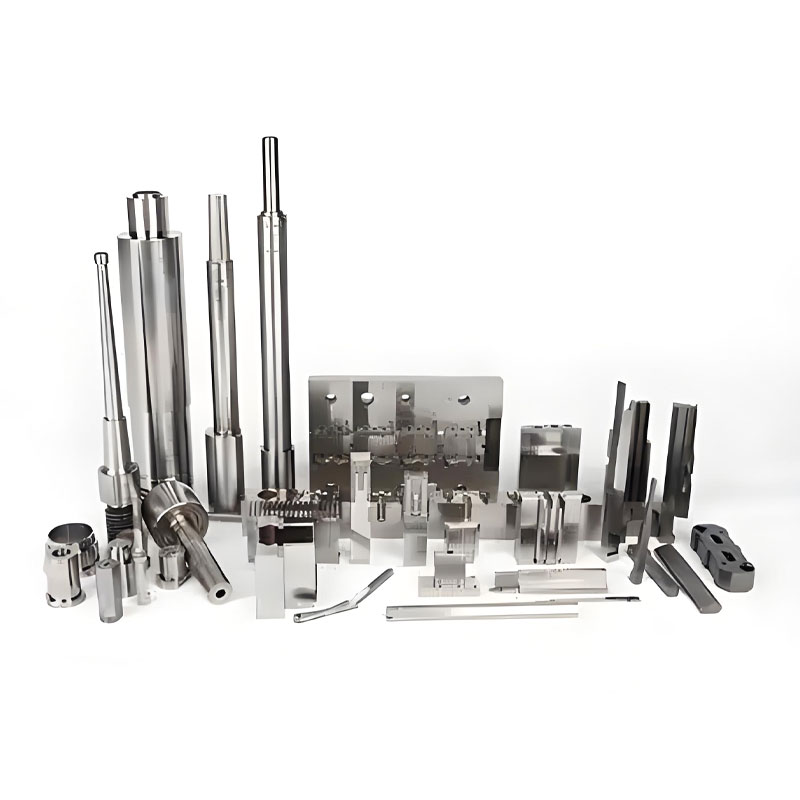
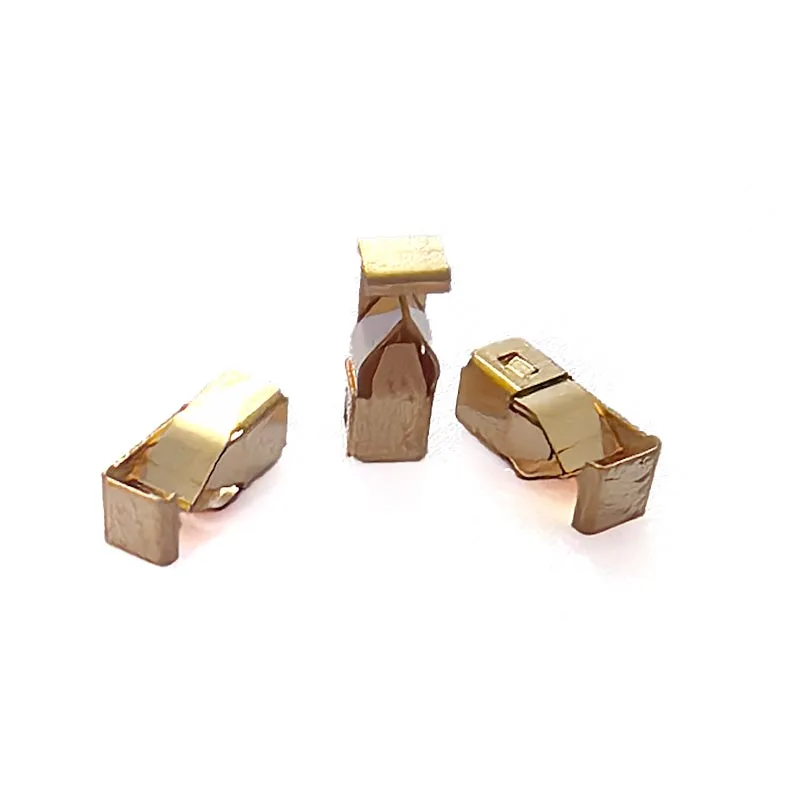
For manufacturers seeking reliable, high-volume connector production, a precision Connector Stamping Mold can directly influence dimensional accuracy, production stability, tool life, and overall manufacturing cost. Qiren specializes in precision mold development and metal stamping solutions, using CNC machining, high-speed stamping technology, automated production processes, and strict quality management to support demanding automotive, electronics, home appliance, and medical applications.
A Connector Stamping Mold is a specialized die system designed to produce connector components with consistent geometry, tight tolerances, and repeatable performance. Unlike general-purpose stamping tooling, connector molds must account for extremely small features, material behavior, progressive forming requirements, and high production volumes. Qiren develops customized progressive and compound stamping molds with reported machining precision of up to ±0.01 mm and mold service life exceeding 5 million cycles. By combining precision engineering, controlled processing, inspection, and traceable manufacturing management, a properly designed connector mold can help manufacturers reduce scrap, improve production consistency, shorten cycle times, and control long-term tooling costs.
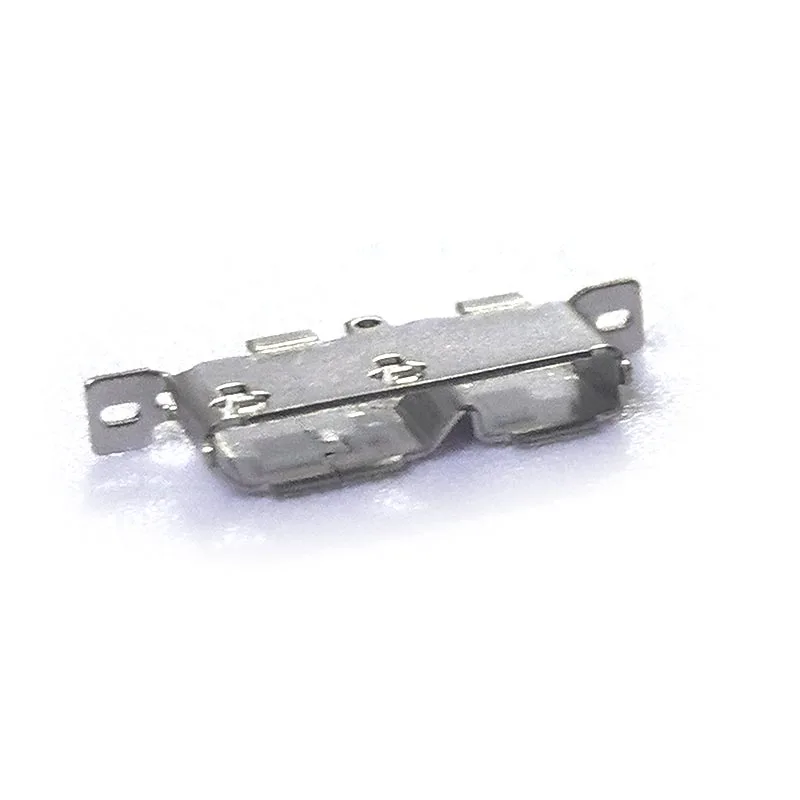
Table of Contents
- What Is a Connector Stamping Mold?
- Why Does Precision Matter in Connector Stamping?
- What Are the Key Features of a High-Quality Connector Stamping Mold?
- How Is a Connector Stamping Mold Manufactured?
- Which Types of Stamping Molds Are Used for Connectors?
- How Should Manufacturers Select a Connector Stamping Mold?
- Why Choose Qiren for Connector Stamping Mold Solutions?
- What Industries Use Connector Stamping Molds?
- Frequently Asked Questions
- Conclusion
What Is a Connector Stamping Mold?
A Connector Stamping Mold is a precision tooling system used to transform metal strip, sheet, or other suitable materials into connector components through controlled stamping operations. The process applies mechanical force to cut, bend, form, draw, or otherwise shape the material according to a predefined die design.
Connector components often contain small contact areas, narrow slots, tabs, bends, holes, and other intricate geometries. Consequently, the mold must maintain highly accurate alignment between punches, dies, guide components, and other functional elements.
For high-volume production, progressive stamping is particularly valuable because several operations can be integrated into one tooling system. A metal strip moves through multiple stations, with each station performing a specific operation before the finished connector component exits the die.
- High dimensional consistency for repeated production
- Efficient processing of large quantities of connector parts
- Reduced manual handling between individual operations
- Improved material utilization when the layout is optimized
- Compatibility with automated high-speed stamping equipment
Why Does Precision Matter in Connector Stamping?
Precision is one of the most important performance factors when selecting connector tooling. Connectors frequently have tight dimensional requirements because even a small deviation can affect insertion force, electrical contact, mechanical retention, assembly alignment, or compatibility with mating components.
A high-quality mold therefore needs more than accurate initial machining. Precision must be maintained throughout the complete manufacturing process, including design, machining, heat treatment, assembly, trial stamping, inspection, and production maintenance.
| Performance Factor | Importance in Connector Production | Potential Manufacturing Benefit |
|---|---|---|
| Dimensional Accuracy | Maintains critical connector geometry | Improves component interchangeability |
| Tool Alignment | Controls punch and die positioning | Reduces uneven wear and stamping defects |
| Surface Quality | Supports clean cutting and forming | Helps minimize burrs and material damage |
| Tool Life | Determines long-term production stability | Reduces replacement and downtime costs |
| Process Consistency | Keeps repeated parts within specifications | Improves quality control and production yield |
Qiren states that its precision mold manufacturing capability can achieve processing accuracy of up to ±0.01 mm for suitable applications. The actual achievable tolerance, however, should always be confirmed according to material, component geometry, mold structure, stamping equipment, and customer specifications.
What Are the Key Features of a High-Quality Connector Stamping Mold?
Not every stamping die is suitable for precision connector manufacturing. The tooling should be engineered around the connector's material, geometry, production volume, tolerance requirements, and downstream assembly process.
Precision Die Design
The die structure should accurately define every cutting and forming operation. Careful station planning is particularly important for progressive molds because errors introduced at an early station can affect every subsequent operation.
High-Quality Machining
CNC machining and other precision manufacturing technologies can produce complex mold components with controlled dimensions and surface quality. Proper machining also supports accurate assembly of punches, inserts, guide components, and die sections.
Durable Tool Construction
Connector production can involve millions of stamping cycles. Appropriate material selection, heat treatment, surface treatment, and wear-resistant components can help extend the usable life of the tooling.
Stable Production Performance
A good mold should not only produce the first batch accurately. It should maintain consistent performance during extended production. Tool monitoring, preventive maintenance, and regular inspection are therefore essential.
Traceable Quality Management
Manufacturing traceability makes it easier to identify process deviations and maintain consistent quality. Qiren reports the use of a manufacturing execution system (MES) to monitor production information and support process traceability.
How Is a Connector Stamping Mold Manufactured?
Professional mold manufacturing is a multi-stage engineering process rather than simply cutting steel into the required shape. A typical workflow can include the following stages:
- Requirement analysis: Review the connector drawing, material, tolerances, production volume, stamping press, and application requirements.
- Material selection: Select suitable mold materials and determine the appropriate treatment based on expected loads and wear.
- Die structure design: Develop the progressive, compound, or other tooling architecture according to the part geometry.
- Precision machining: Manufacture mold plates, inserts, punches, dies, guides, and other components using suitable machining processes.
- Heat treatment: Apply appropriate thermal processing where required to improve hardness, strength, and wear resistance.
- Assembly and debugging: Assemble the tooling and verify alignment, movement, clearances, and functional performance.
- Trial stamping: Produce sample parts to evaluate dimensions, forming quality, burrs, material feeding, and production stability.
- Inspection and validation: Measure critical features against the agreed technical requirements.
- Production support: Establish appropriate maintenance and inspection procedures for long-term operation.
This structured workflow helps transform a connector drawing into a repeatable manufacturing solution rather than relying solely on trial-and-error adjustments.
Which Types of Stamping Molds Are Used for Connectors?
The optimal tooling configuration depends on the connector design and manufacturing objectives. Common solutions include:
- Progressive stamping molds: Integrate multiple operations into sequential stations and are suitable for high-volume production.
- Compound molds: Perform multiple cutting operations during a single press stroke when the part structure allows it.
- Punching and shearing molds: Designed for accurate material separation and hole-making operations.
- Forming molds: Used when connector terminals or components require controlled bending or forming.
- Drawing molds: Applied to suitable components requiring controlled material deformation into deeper geometries.
Qiren indicates that its independent mold R&D capabilities cover progressive dies, compound dies, stretching dies, punching and shearing dies, compression dies, and other precision tooling solutions.
How Should Manufacturers Select a Connector Stamping Mold?
Choosing tooling based only on the initial purchase price can lead to higher costs over the entire production lifecycle. Manufacturers should evaluate the complete manufacturing requirement.
| Selection Criterion | Questions to Consider |
|---|---|
| Connector Geometry | Are there micro-features, narrow slots, bends, or complex profiles? |
| Material | What metal alloy, thickness, hardness, and surface condition will be stamped? |
| Production Volume | Is the application prototype, medium-volume, or millions of parts per year? |
| Required Tolerance | Which dimensions are critical to connector performance? |
| Stamping Equipment | Does the mold match the press tonnage, stroke, speed, and feeding system? |
| Tool Life | What service life is required before major maintenance or refurbishment? |
| Supplier Capability | Can the manufacturer provide design, machining, testing, inspection, and after-sales support? |
Manufacturers should also request clear information about tolerance capability, trial procedures, maintenance requirements, spare components, delivery schedules, and quality documentation before placing a tooling order.
Why Choose Qiren for Connector Stamping Mold Solutions?
Qiren focuses on precision mold R&D and manufacturing for industrial customers requiring reliable tooling performance. Its connector mold solutions combine precision machining, high-speed stamping technology, automated production capabilities, and structured quality management.
Several capabilities are particularly relevant to connector manufacturers:
- Precision manufacturing: Suitable production processes can achieve high dimensional accuracy for demanding tooling requirements.
- Customized mold development: Tooling can be engineered around specific connector designs, materials, production volumes, and equipment.
- Long service life: Qiren reports mold life of more than 5 million cycles for applicable tooling solutions.
- Quality management: The company reports compliance with ISO 9001 and IATF 16949 quality management standards.
- MES-based traceability: Production data can be monitored to support process consistency and traceability.
- Integrated manufacturing: Design, machining, assembly, debugging, testing, and production support can be coordinated through one supplier.
For buyers evaluating a Connector Stamping Mold supplier, these factors can be more meaningful than price alone because tooling performance directly affects production yield, maintenance frequency, and long-term operating costs.
What Industries Use Connector Stamping Molds?
Precision connector components are used across many industries where electrical, electronic, mechanical, or signal connections must be manufactured consistently.
- Automotive: Vehicle wiring systems, electrical modules, sensors, and electronic control systems.
- Consumer electronics: Compact connectors used in electronic devices and assemblies.
- Home appliances: Electrical connection components for appliances and control systems.
- Medical equipment: Precision components used in specialized electronic and electromechanical equipment.
- Industrial electronics: Connectors for control systems, automation equipment, and electrical assemblies.
As electronic systems become more compact and production volumes increase, the importance of repeatable stamping accuracy and dependable tooling continues to grow.
Frequently Asked Questions
What is a Connector Stamping Mold used for?
A Connector Stamping Mold is used to manufacture connector components from suitable metal materials through controlled cutting, punching, bending, forming, or related stamping operations. It is particularly valuable for producing large quantities of consistent precision components.
How long can a connector stamping mold last?
Tool life depends on mold construction, material selection, stamping speed, component geometry, maintenance, and production conditions. Qiren reports service life exceeding 5 million cycles for applicable connector mold solutions.
What precision can a connector stamping mold achieve?
Precision depends on the part design, material, tooling structure, machining process, and stamping equipment. Qiren states that its suitable precision mold processing can reach approximately ±0.01 mm, while final tolerances should be confirmed for each specific project.
Should I choose a progressive or compound stamping mold?
Neither option is universally better. Progressive tooling is often advantageous for high-volume, multi-operation connector production, while compound tooling can be effective when several operations can be completed during a single press stroke. The appropriate choice should be based on part geometry, production volume, material, press capabilities, and target cost.
How can I reduce maintenance costs for connector stamping tooling?
Regular inspection, correct lubrication, proper material feeding, timely replacement of wear components, and preventive maintenance can help reduce unexpected downtime. A well-designed mold with appropriate materials and clear maintenance procedures can also lower lifecycle costs.
Conclusion
A precision Connector Stamping Mold is a critical investment for manufacturers that need consistent connector dimensions, high production efficiency, and reliable long-term tooling performance. From precision die design and CNC machining to trial stamping, inspection, traceability, and maintenance, every stage can influence final production results. With its precision mold engineering capabilities, customized tooling solutions, reported ±0.01 mm processing accuracy, 5M+ cycle mold life for applicable designs, and ISO 9001 and IATF 16949 quality management systems, Qiren provides a strong foundation for demanding connector manufacturing projects. If you are planning a new connector project or looking to improve your existing stamping process, contact us to discuss your part drawings, material requirements, production volume, tolerance targets, and customized mold solution.