
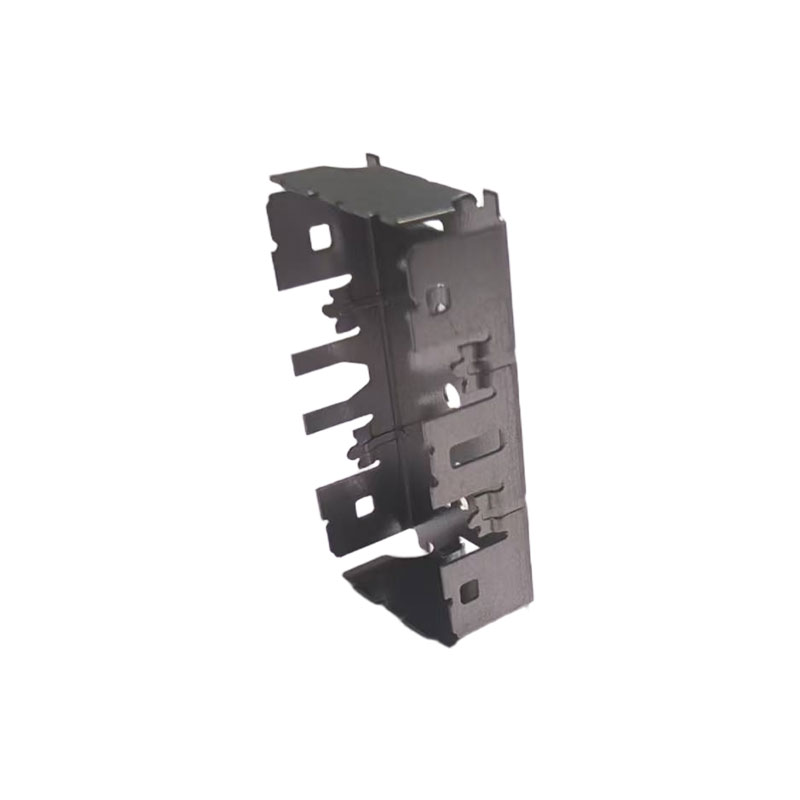
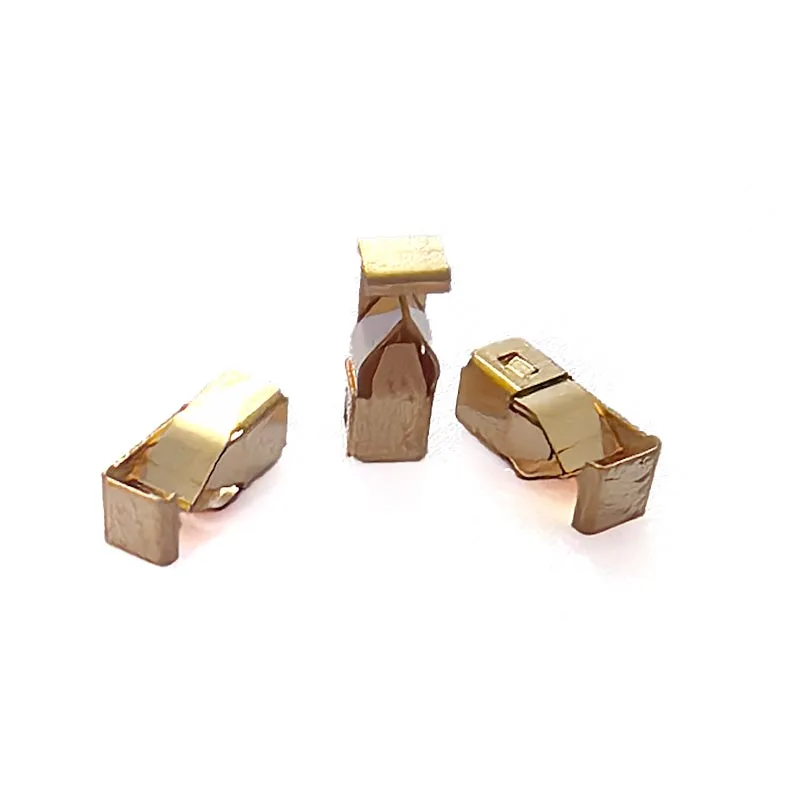
Automobile Precision Stamping Parts have become essential components in modern vehicle manufacturing, where dimensional accuracy, structural reliability, and production efficiency directly influence vehicle quality. As an experienced China manufacturer, Qiren combines precision stamping technology, advanced CNC equipment, automated production, and customized tooling to provide high-quality metal components for automotive applications.
Automotive manufacturers increasingly require metal components that can withstand demanding mechanical, electrical, and environmental conditions while maintaining consistent dimensions during mass production. Automobile Precision Stamping Parts provide an efficient solution by using controlled forming processes to manufacture complex metal components with repeatable accuracy.
Qiren's automotive stamping capabilities cover processes such as punching, bending, deep drawing, riveting, and shearing. The company also supports materials including stainless steel, aluminum alloys, and copper, allowing manufacturers to select materials according to strength, conductivity, corrosion resistance, weight, and application requirements.
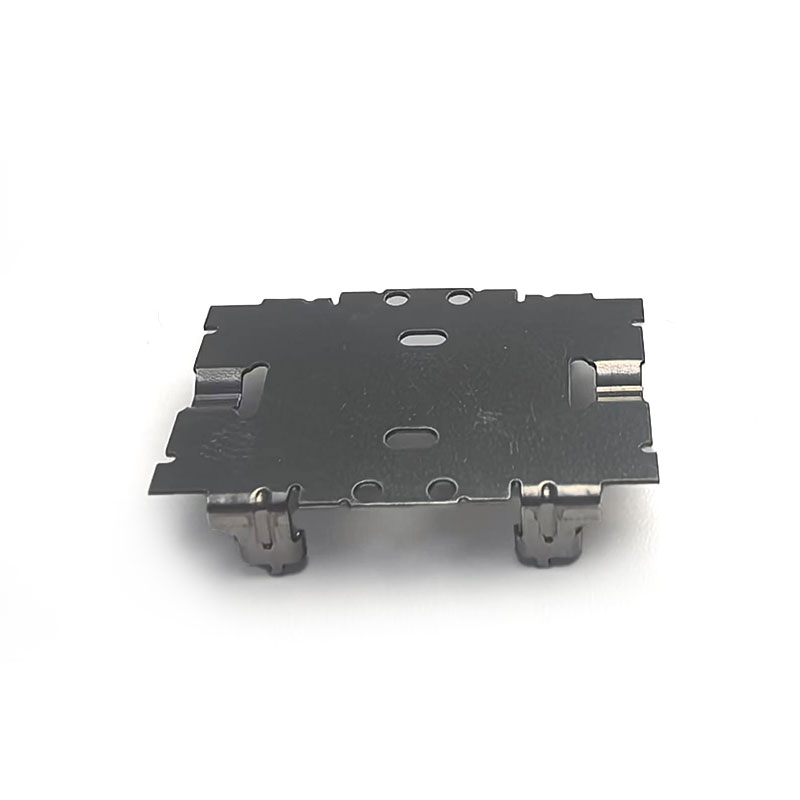
Table of Contents
- What Are Automobile Precision Stamping Parts?
- Why Are Precision Stamping Parts Important for Automotive Manufacturing?
- What Are the Key Features of Automobile Precision Stamping Parts?
- Which Materials Can Be Used for Automotive Precision Stamping?
- How Are Automobile Precision Stamping Parts Manufactured?
- Where Are Automobile Precision Stamping Parts Used?
- How Should You Choose an Automobile Precision Stamping Parts Supplier?
- Frequently Asked Questions
- Conclusion
What Are Automobile Precision Stamping Parts?
Automobile Precision Stamping Parts are metal components manufactured through controlled stamping operations. A stamping press applies force to sheet metal or metal strip through specially designed tooling, producing components with defined dimensions, shapes, holes, bends, or formed sections.
Unlike simple stamping applications, automotive precision stamping requires tighter control over tooling, material flow, dimensional consistency, burrs, surface quality, and production repeatability. These requirements become particularly important when a stamped component is installed inside a safety-critical assembly or needs to interface accurately with other components.
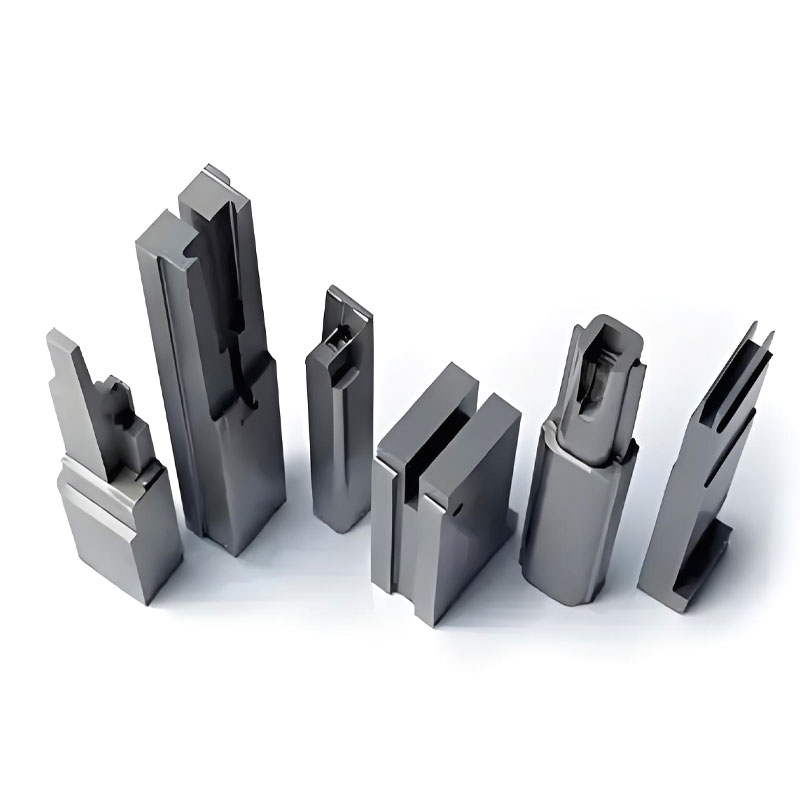
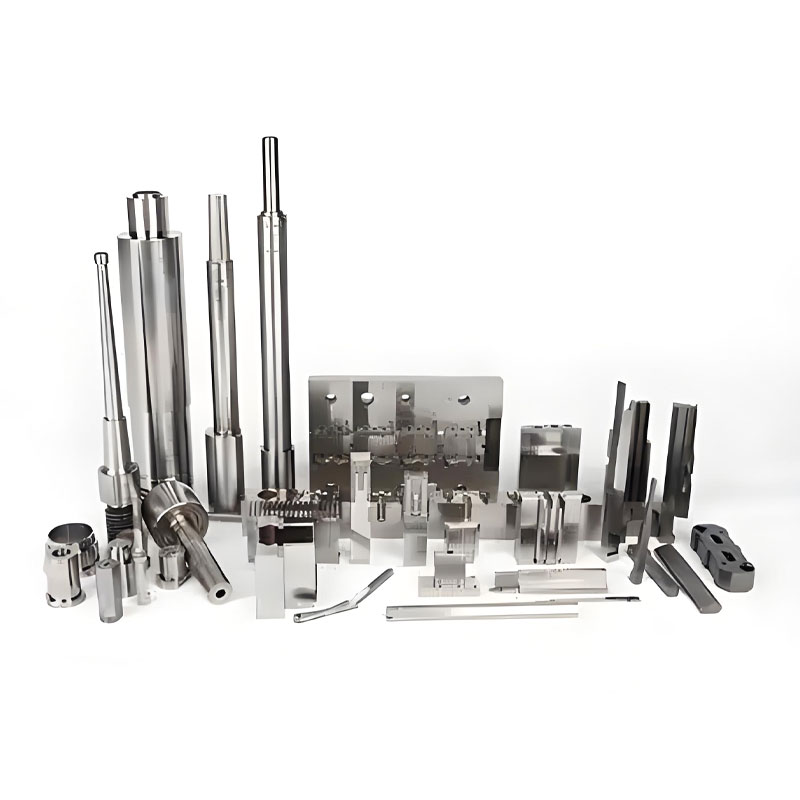
Depending on the component design, manufacturers may use progressive dies, compound dies, drawing dies, punching and shearing dies, or compression dies. Qiren states that its automotive stamping services can be customized around different mold structures and provide one-stop services from design and development through mass production and delivery.
Why Are Precision Stamping Parts Important for Automotive Manufacturing?
Modern vehicles contain a large number of metal components that must operate reliably throughout long service periods. Small dimensional deviations can affect assembly alignment, electrical connections, mechanical movement, or structural performance.
Precision stamping offers several important benefits:
- Consistent dimensions: Controlled tooling helps maintain repeatable component geometry.
- High production efficiency: Stamping is suitable for large-volume automotive production.
- Complex geometries: Forming, punching, bending, and drawing can be integrated into customized manufacturing processes.
- Material flexibility: Different metals can be selected according to the functional requirements of the component.
- Lower unit cost at scale: Optimized tooling and automated production can improve manufacturing economics for high-volume orders.
- Reliable assembly: Consistent dimensions can simplify downstream assembly and reduce production variation.
For automotive OEMs, Tier 1 suppliers, and component manufacturers, these characteristics make precision stamping an important manufacturing technology for both conventional and new-energy vehicle platforms.
What Are the Key Features of Automobile Precision Stamping Parts?
A high-quality automotive stamped component should not be evaluated by appearance alone. Engineers generally need to consider dimensional accuracy, material behavior, tooling stability, surface condition, production consistency, and application requirements.
| Feature | Importance in Automotive Applications | Typical Manufacturing Consideration |
|---|---|---|
| Dimensional Accuracy | Supports accurate assembly and component positioning | Precision tooling and controlled stamping parameters |
| Material Compatibility | Determines strength, conductivity, weight, and corrosion resistance | Material selection according to component function |
| Repeatability | Important for stable mass production | Automated production and inspection procedures |
| Tooling Quality | Influences component accuracy and die service life | Progressive, compound, drawing, or customized dies |
| Surface Quality | Helps prevent assembly and functional problems | Controlled forming, punching, and finishing processes |
Qiren's product information indicates that its Automobile Precision Stamping Parts can reach an accuracy of approximately ±0.008 mm, supported by CNC punching machines, high-speed stamping equipment, and automated production lines. :contentReference[oaicite:1]{index=1}
Which Materials Can Be Used for Automotive Precision Stamping?
Material selection should always be based on the component's mechanical, electrical, thermal, and environmental requirements. Automotive stamping commonly involves metals that can be formed efficiently while maintaining the required performance after production.
Qiren specifically identifies support for several material categories:
- Stainless steel: Suitable when corrosion resistance, durability, and mechanical strength are important.
- Aluminum alloy: Useful when lightweight construction and efficient weight management are priorities.
- Copper: Particularly suitable for components where electrical conductivity is important.
The optimal material depends on factors such as thickness, tensile strength, elongation, forming ratio, operating environment, component geometry, and required surface condition.
How Are Automobile Precision Stamping Parts Manufactured?
The manufacturing process typically begins with engineering analysis and tooling development. Before production starts, engineers need to understand the component drawing, material specification, tolerance requirements, forming direction, production quantity, and downstream assembly conditions.
- Design analysis: Review the 2D drawing or 3D CAD model and identify critical dimensions.
- Material selection: Confirm the appropriate metal grade, thickness, and mechanical characteristics.
- Die development: Select and design the appropriate progressive, compound, drawing, punching, or other customized die.
- Tool manufacturing: Produce precision tooling according to the approved engineering design.
- Stamping production: Use CNC punching or high-speed stamping equipment to form the components.
- Secondary operations: Perform bending, riveting, shearing, or other required processes.
- Inspection: Verify dimensions, appearance, burrs, and other customer-defined quality requirements.
- Mass production and delivery: Release qualified components for continuous production and shipment.
This integrated workflow is particularly valuable for customers looking for a China supplier capable of managing both tooling and component production rather than coordinating multiple independent vendors.
Where Are Automobile Precision Stamping Parts Used?
Automotive stamping technology can support a broad range of components because the process can be adapted to different materials, geometries, and production volumes.
Typical applications may include:
- Automotive electrical and electronic components
- Connector-related metal components
- Battery and electric-drive components
- Structural brackets and reinforcement components
- Automotive sensor-related components
- Body and interior hardware
- Mechanical mounting components
- Components used in new-energy vehicle systems
For electric vehicles and other advanced automotive platforms, dimensional consistency can be especially important because electrical, mechanical, and thermal systems are often integrated into compact assemblies. Precision stamping therefore provides manufacturers with a scalable way to produce small and complex metal components.
How Should You Choose an Automobile Precision Stamping Parts Supplier?
Selecting the right supplier involves more than comparing unit prices. A capable manufacturer should demonstrate engineering expertise, stable tooling capabilities, appropriate production equipment, inspection processes, and the ability to support your required production volume.
When evaluating an Automobile Precision Stamping Parts supplier, consider the following factors:
- Industry experience: Check whether the manufacturer has experience with automotive or precision metal components.
- Tooling capability: Confirm whether the supplier can design and manufacture the required stamping dies.
- Equipment: Evaluate CNC punching, high-speed stamping, EDM, inspection, and automation capabilities.
- Material capability: Make sure the supplier can process your specified metals and thicknesses.
- Tolerance control: Confirm the manufacturer's achievable dimensional accuracy against your drawings.
- Quality management: Look for documented inspection procedures and recognized quality systems.
- Engineering support: A responsive engineering team can help identify manufacturing risks before mass production.
- Supply-chain support: Integrated tooling, production, inspection, and delivery can simplify procurement.
Qiren reports more than 15 years of experience, a 3,500 m² manufacturing facility, more than 20 CNC machines, EDM and wire-cutting equipment, CMM inspection capability, and experience serving customers in North America, Europe, and Southeast Asia. Its company information also identifies ISO 9001:2024 and IATF 16949 automotive quality compliance. :contentReference[oaicite:2]{index=2}
For automotive buyers, IATF 16949 is particularly relevant because it is an automotive-sector quality management standard. When comparing suppliers, it is therefore useful to review not only claimed precision but also the manufacturer's quality system, inspection process, traceability, and production controls.
Frequently Asked Questions About Automobile Precision Stamping Parts
What is an Automobile Precision Stamping Part?
It is a metal component manufactured through controlled stamping processes such as punching, bending, drawing, shearing, or forming. These components are designed to meet defined dimensional and functional requirements for automotive assemblies.
What accuracy can Qiren's automotive stamping parts achieve?
Qiren's product page states that its Automobile Precision Stamping Parts can achieve approximately ±0.008 mm accuracy using advanced CNC punching, high-speed stamping equipment, and automated production lines. Actual achievable tolerance depends on material, geometry, thickness, tooling, and drawing requirements. :contentReference[oaicite:3]{index=3}
What materials can be stamped?
Qiren identifies stainless steel, aluminum alloy, and copper among the supported materials. The final material should be selected according to strength, conductivity, corrosion resistance, forming characteristics, weight, and operating conditions. :contentReference[oaicite:4]{index=4}
Can automotive stamping parts be customized?
Yes. Automotive stamped components can be customized according to CAD drawings, dimensions, material specifications, tolerances, surface requirements, and production volumes. Qiren also provides customized tooling options including progressive dies, compound dies, drawing dies, and punching or shearing dies. :contentReference[oaicite:5]{index=5}
What information should buyers provide when requesting a quotation?
For an accurate quotation, buyers should normally provide a 2D or 3D drawing, material and thickness, critical tolerances, surface requirements, estimated annual quantity, application information, and any special inspection or packaging requirements.
Conclusion
Automobile Precision Stamping Parts play an important role in producing accurate, repeatable, and cost-effective metal components for modern vehicles. The combination of suitable materials, precision tooling, advanced stamping equipment, engineering control, and systematic inspection determines the final quality of each component.
For automotive manufacturers seeking a reliable China manufacturer with integrated tooling and stamping capabilities, Qiren provides customized solutions covering engineering development, precision mold manufacturing, stamping production, inspection, and delivery. If you are developing a new automotive component or looking to improve an existing supply chain, contact us with your drawings and requirements to discuss a suitable precision stamping solution for your project.