Hello everyone, today we're going to talk about the ins and outs of plastic mold manufacturing. Don't underestimate the complexity of a small plastic mold—there's a lot more to it than meets the eye. Recently, our research reporters visited several large mold factories and discovered that modern mold manufacturing is far from the simple “cutting holes in metal blocks” process of the past.

Although mold machining and computer numerical control (CNC) machining both belong to the field of machining, there are significant differences between them in several aspects. The following are the main differences:

In the production process of plastic mold parts processing, what factors affect the complexity of mold design?

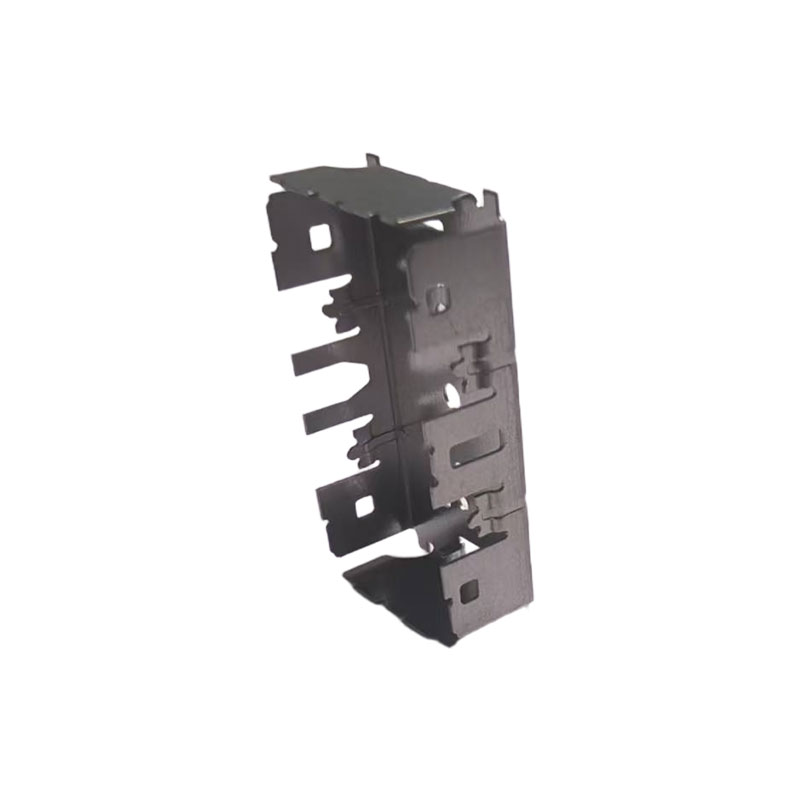
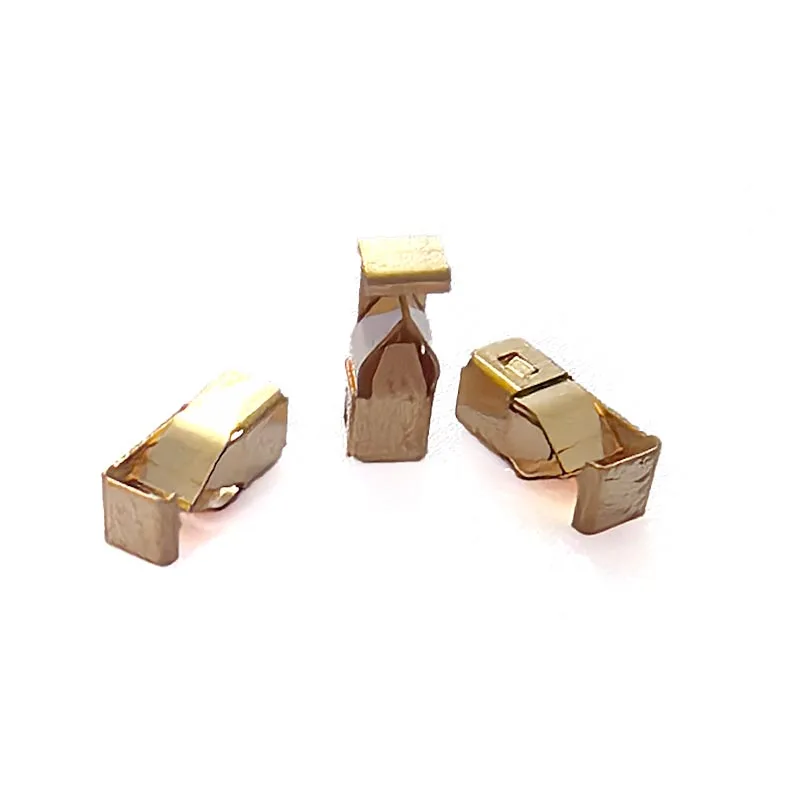
Qiren's Connector Stamping Mold has many significant advantages and selling points. First, it excels in precision. The mold uses advanced manufacturing technology and high-precision processing equipment to ensure that the size error of the stamped connector is extremely small, meeting the strict requirements of various precision electronic equipment for connector precision.

In the process of precision parts processing, grinding is done by two top clamps, plugs are installed at both ends of the rotor, the dial drives the rotor to rotate around the axis of the center hole of the plugs at both ends, the grinding wheel feeds radially and axially and finally the smooth knife completes the fine grinding.

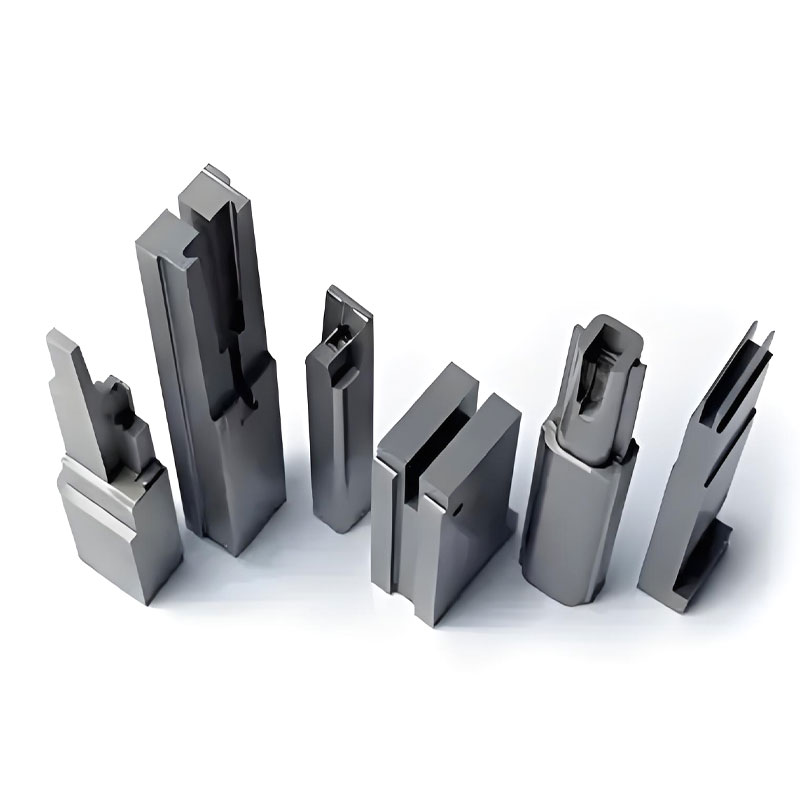
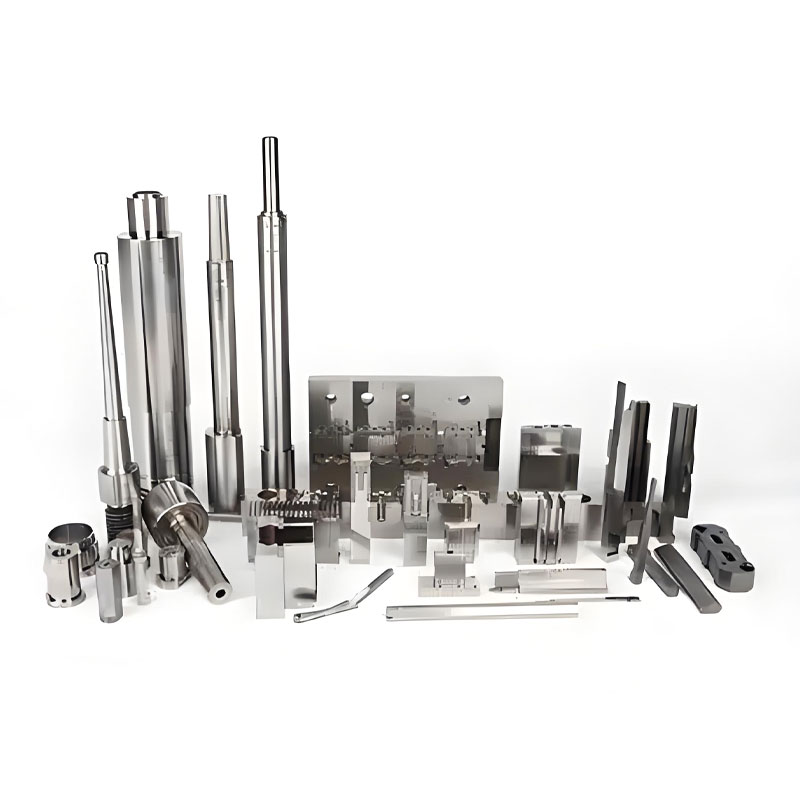
When it comes to precision mold parts machining, even the smallest details can make or break your results. Whether you’re a seasoned manufacturer or just starting out, these 5 secrets will help you achieve flawless mold parts every time.