Insert molding mold design is a critical factor in modern manufacturing, enabling the integration of metal or other rigid inserts into plastic components in a single molding cycle. A well-executed insert molding mold design improves structural integrity, reduces assembly costs, and ensures consistent product quality. This article explores the core principles, technical considerations, materials, common challenges, and best practices that define a successful insert molding mold design, helping manufacturers optimize performance and reliability across industries such as automotive, electronics, and medical devices.
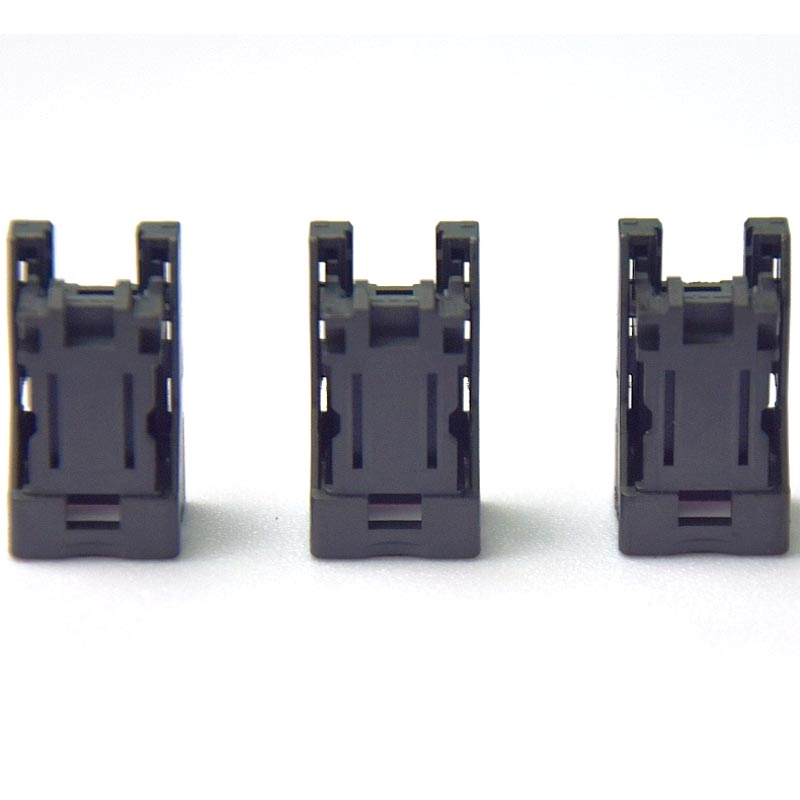
Insert molding mold design refers to the engineering process of creating molds that allow pre-formed inserts—typically metal, ceramic, or electronic components—to be placed into a mold cavity before molten plastic is injected. The plastic then encapsulates or bonds with the insert, forming a single integrated component.
Unlike overmolding, insert molding requires precise positioning, thermal compatibility, and mechanical locking features to ensure the insert remains stable during injection. The mold design must accommodate insert loading, prevent displacement, and maintain dimensional accuracy throughout production.
A successful insert molding mold design directly impacts product performance, manufacturing efficiency, and long-term reliability. Poor design can lead to misaligned inserts, weak bonding, flash, warpage, or even mold damage.
For manufacturers like Qiren, optimizing insert molding mold design is essential to delivering precision-engineered components that meet global quality standards.
Insert molding requires extremely tight tolerances. The mold cavity must align perfectly with the insert geometry to prevent gaps or stress concentrations. Even minor deviations can compromise part integrity.
The mold design must include features that hold the insert firmly in place during injection. This can involve mechanical locks, magnetic fixtures, or custom pockets designed to match the insert profile.
Since inserts and plastic materials expand at different rates, designers must account for thermal expansion to avoid cracking, sink marks, or weak bonding.
One of the most critical aspects of insert molding mold design is how inserts are placed and retained during the molding process.
| Retention Method | Description | Best Use Case |
|---|---|---|
| Mechanical Locking | Grooves or undercuts hold inserts in place | High-stress structural components |
| Magnetic Holding | Magnets integrated into the mold | Small metal inserts |
| Manual or Robotic Loading | Controlled placement before injection | High-precision applications |
Material compatibility is fundamental to insert molding success. Both the insert and plastic resin must work together under heat and pressure.
Choosing the right combination ensures optimal bonding, minimal internal stress, and long-term durability.
The mold structure must support repeated insert loading without wear or deformation. Key design elements include:
Advanced tooling design allows manufacturers like Qiren to maintain stable production even in complex insert molding projects.
Improper retention can cause inserts to shift during injection. This is avoided through better fixture design and optimized injection parameters.
Surface treatments, preheating inserts, and selecting compatible materials significantly improve bonding strength.
High-volume insert molding can accelerate mold wear. Using hardened steel and replaceable insert fixtures extends mold life.
Insert molding mold design is widely used across multiple industries:
Following these best practices ensures a robust and scalable insert molding mold design that meets modern manufacturing demands.
It allows multiple components to be combined into one part, reducing assembly steps and improving strength.
Yes. With proper mold design and precision tooling, highly complex insert geometries can be molded reliably.
Insert molding places inserts before injection, while overmolding adds material over an existing molded part.
Consistent insert placement, controlled process parameters, and high-quality mold design are essential.
A successful insert molding mold design is the foundation of high-performance, cost-effective plastic components. By focusing on precision, material compatibility, insert retention, and robust tooling, manufacturers can achieve superior results across a wide range of industries.
If you are looking for expert support in insert molding mold design and precision manufacturing solutions, Qiren offers the experience and technical expertise to help bring your projects to life. Contact us today to discuss your requirements and discover how we can support your next manufacturing challenge.